
Groovy Lab in a Box
Ages 4-12 · paid · Product · groovylabinabox.com ↗
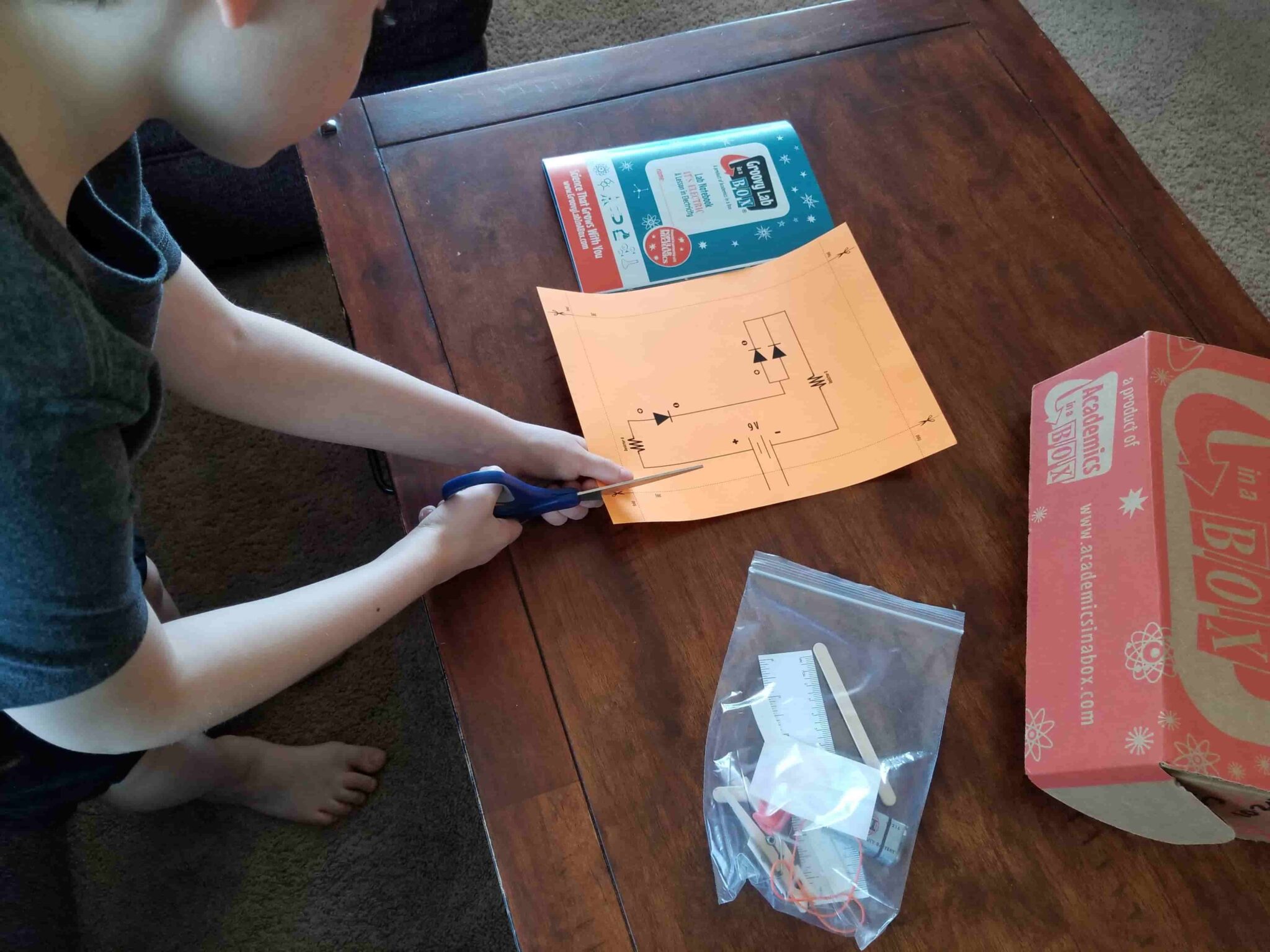
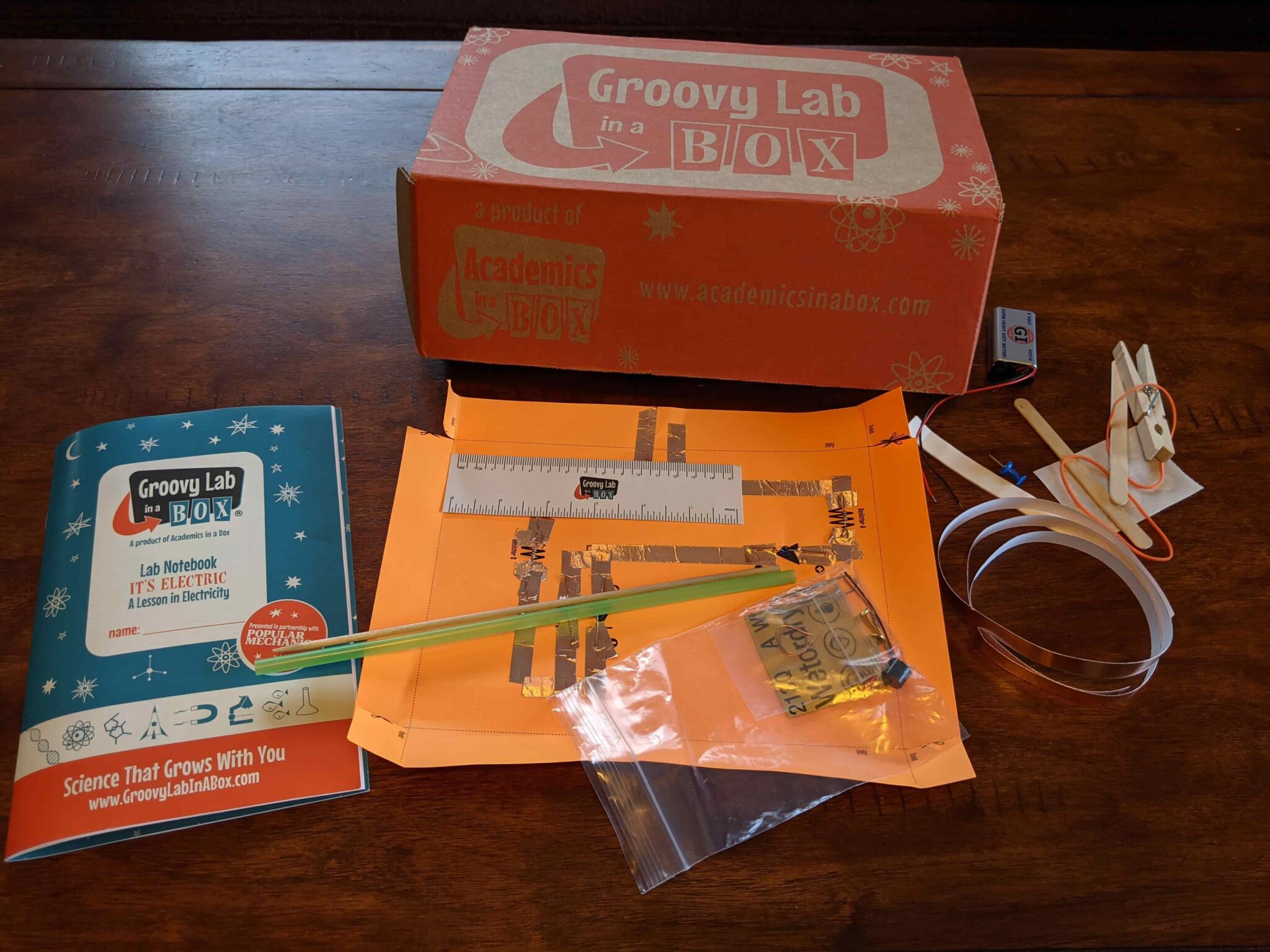

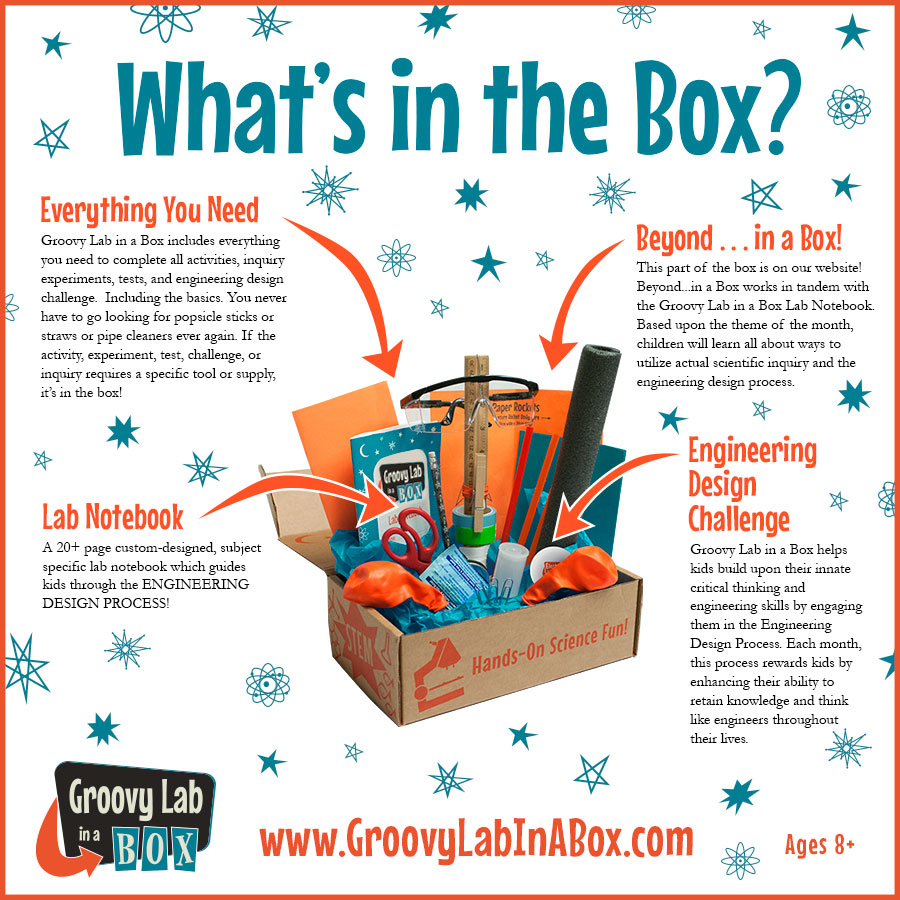
Groovy Lab in a Box delivers a monthly STEM kit with 5-10 hands-on experiments, an engineering design challenge, and a lab notebook. Kids follow an investigation-first approach: read about a topic, form hypotheses, run experiments, then tackle an open-ended design challenge using the engineering process (investigate, brainstorm, plan, build, test, redesign). An online portal extends each month's theme with videos, extension activities, and book recommendations. Two tracks serve different ages: Young Creator (4-7) and STEMist (8+).
Groovy Lab in a Box has focused developmental strength worth knowing about. It builds curiosity. The main growth opportunity: Connection is weak for home users.
Strengths & gaps
Strengths
- ● Groovy Lab's standout is Curiosity. The inquiry-based approach starts with investigation before building. Lab notebooks ask children to form hypotheses and test them. The online "Beyond...in a Box" portal extends curiosity past the physical kit with videos and resources.
- ● The engineering design process (investigate, brainstorm, plan, build, test, redesign) is developmentally rich. The explicit "redesign" step teaches children that first attempts aren't final, a real Adaptability builder.
- ● One reviewer's child independently modified circuit experiments beyond the kit instructions. That's genuine learning transfer, which is "exactly the reason for an educational kit like this."
Gaps
- ○ Connection is weak for home users. The STEM Team Job Titles framework is designed for classrooms, not family tables. At home, Groovy Lab is mostly a solo or parent-supervised experience.
- ○ Purpose is thin. Historical inventor context is included but doesn't connect to the child's own values, identity, or contribution.
Detailed scores
How Groovy Lab in a Box performs on each of the 9 literacies in our framework.
Doing
— 0 of 3 Strong
Groovy Lab gives children choice in how they approach design challenges. One child independently modified experiments beyond prescribed activities. But the lab notebook provides a structured investigation path, and experiments have expected outcomes. Children drive the process within a guided framework.
Each box contains 5-10 experiments requiring sustained effort across multiple activities. The engineering design process includes build-test-redesign cycles that normalize iteration. But the difficulty is calibrated to be age-appropriate and completable, not deliberately frustrating.
The engineering design process explicitly teaches the "redesign" step. Children learn that first attempts should be tested and revised. Different experiment types each month require varied approaches. This is stronger than products that only vary content without teaching metacognitive skills.
Thinking
— 1 of 3 Strong
Groovy Lab is built around scientific inquiry. The investigation-first approach creates information gaps before providing answers. Lab notebooks ask children to form hypotheses. The "Beyond...in a Box" online portal extends exploration with videos, activities, and book recommendations. Children "started to have so much fun and forgot that they were actually extending their minds." Monthly themes span diverse science domains.
Design challenges provide "wiggle room to let your kid's imagination run wild." Multiple solutions are possible for engineering challenges. But the creativity is STEM problem-solving rather than open-ended artistic expression. Experiments follow structured steps.
Lab notebooks ask children to form hypotheses, record observations, and draw conclusions from evidence. This is genuine scientific reasoning within a structured framework. Different from binary right/wrong answers. But still within a narrow STEM domain.
Being
— 0 of 3 Strong
The STEM Team Job Titles framework is designed for classroom use. At home, Groovy Lab is primarily a solo or parent-child activity. No genuine collaborative problem-solving is required by the product.
Groovy Lab doesn't create significant emotional challenge or teach regulation strategies. Self-regulation is outside the product's scope.
The online portal includes historical context about inventors, providing a thin connection to real-world STEM impact. But Groovy Lab doesn't engage with identity, values, or the child's own sense of purpose.
Based on 5 sources
Reviewed by New Literacies
Scored by our research-derived framework · AI-assisted analysis with editorial review · 5 sources reviewed · Our methodology →
Get the next guide before it goes live
One email when a new product review ships.
Free. No spam. Unsubscribe anytime.
See other products strong in the same literacies: