
Google Teachable Machine
Ages 7-12 · free · Product · teachablemachine.withgoogle.com ↗
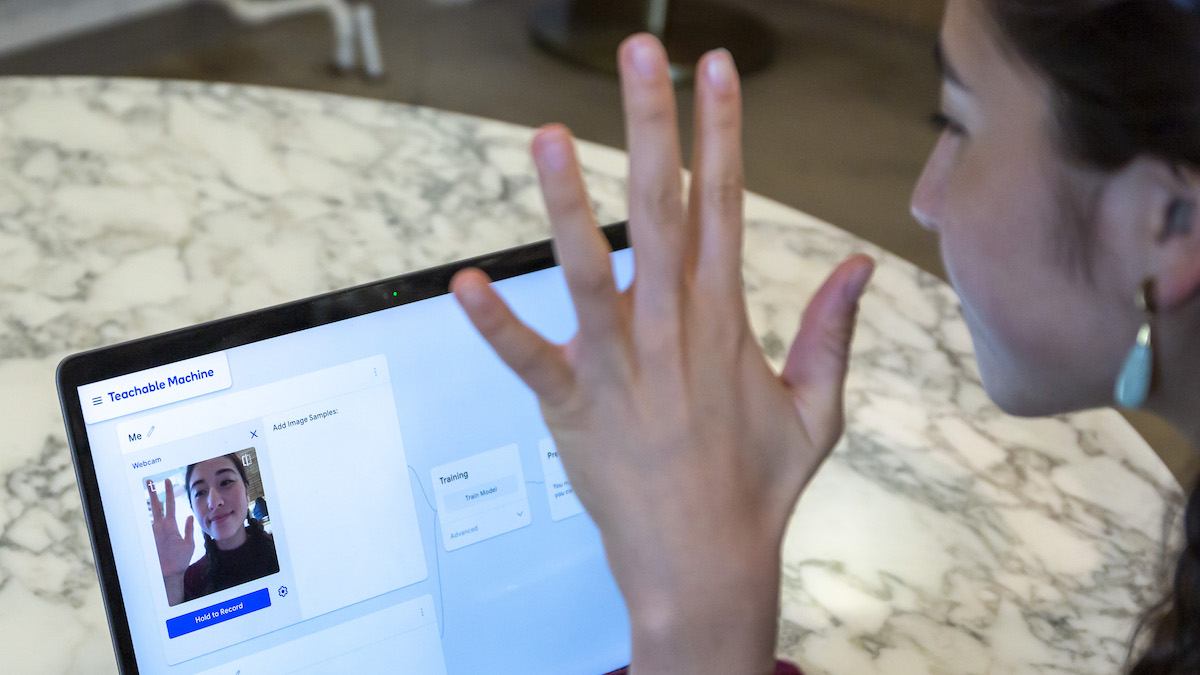
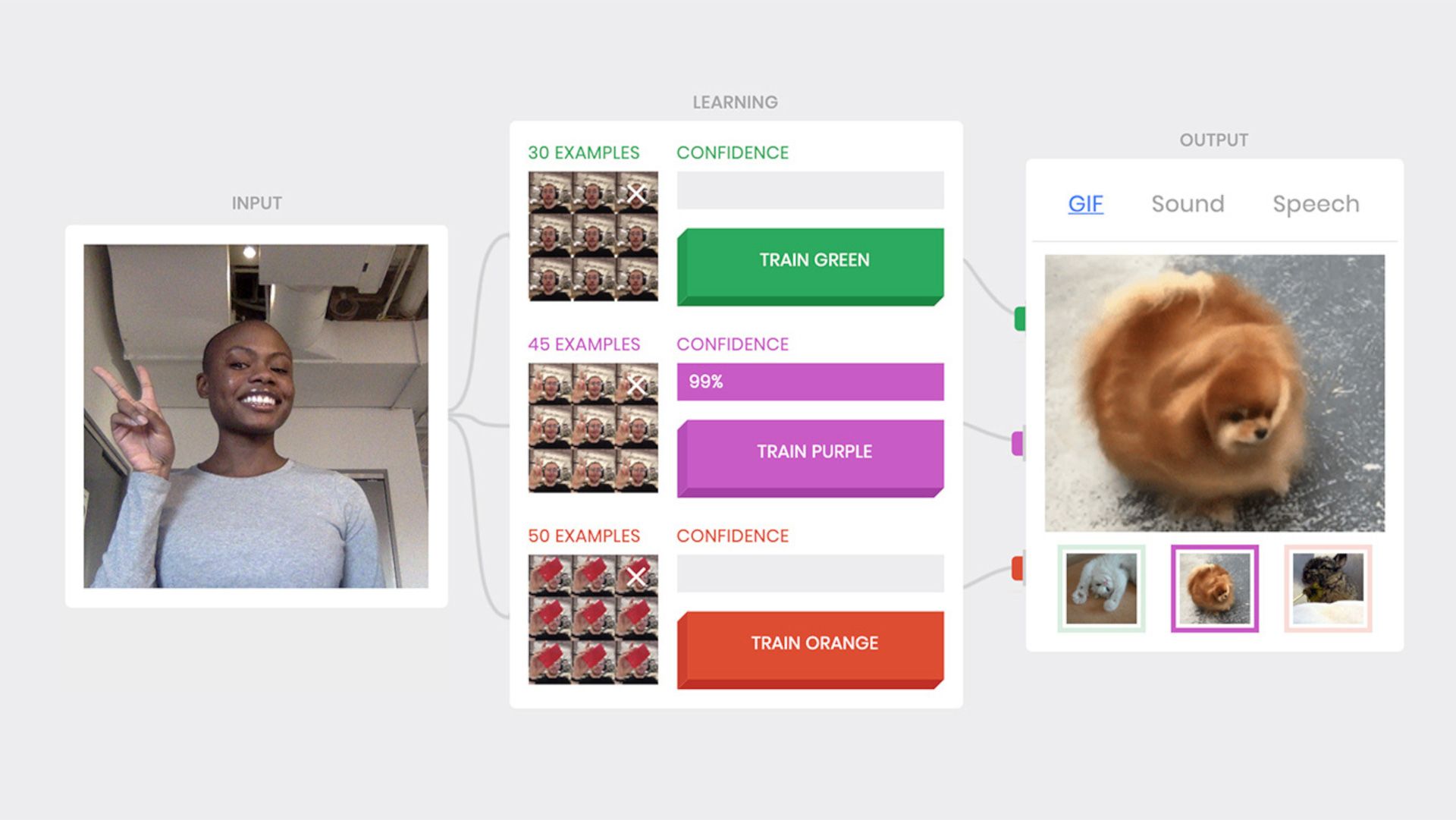
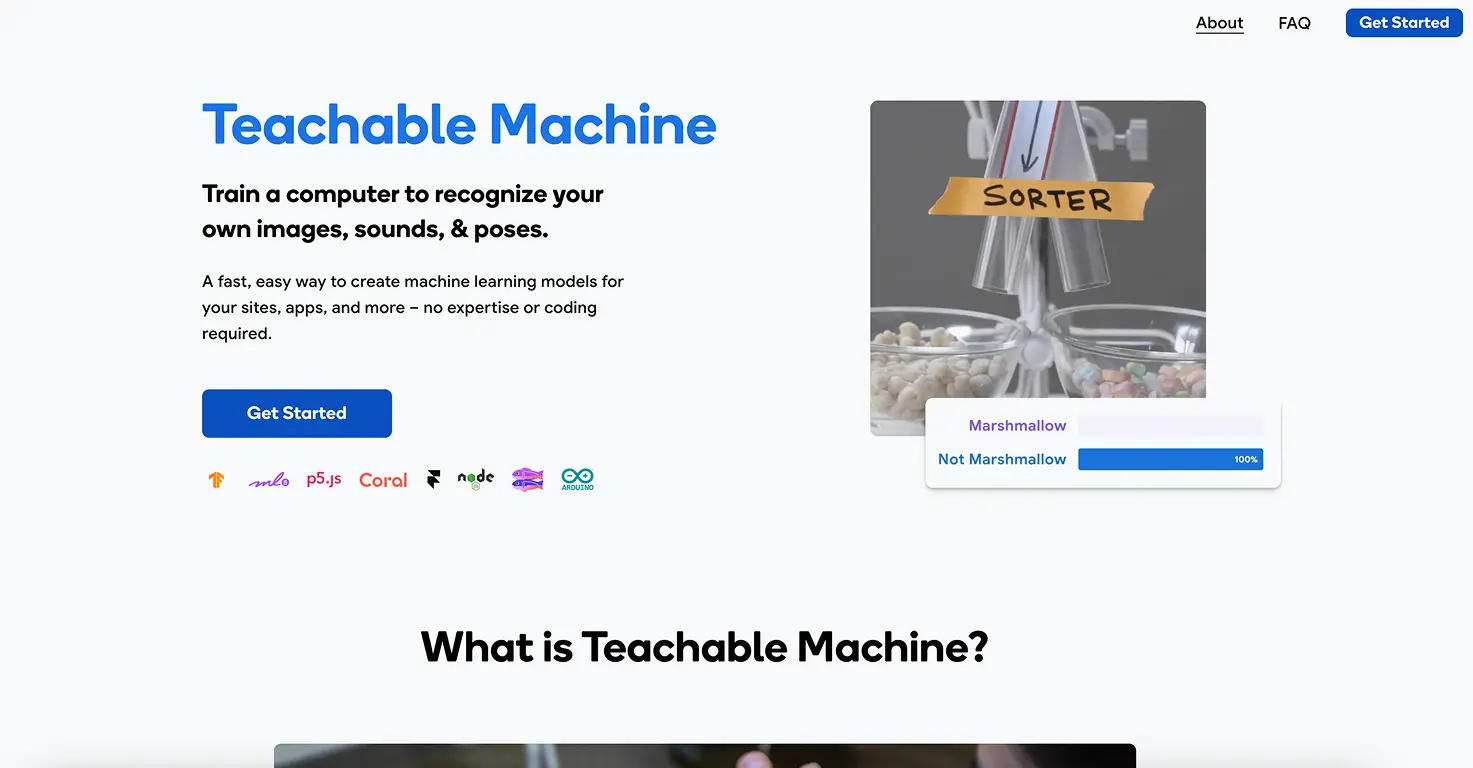
Teachable Machine is a free Google web tool that lets kids train simple machine-learning models from images, sounds, or poses. They collect examples, click Learn, and watch the model classify new inputs live. Older students can export the model as code or use it in websites and apps. The basic experience is simple, but the classroom version gets stronger when a teacher adds AI ethics or bias work.
Google Teachable Machine stands out for developmental impact across multiple literacies. It builds hands-on skills, curiosity. The main growth opportunity: it does not build Connection on its own. Any collaboration comes from the teacher's setup.
Strengths & gaps
Strengths
- ● Teachable Machine is strongest where kids make and revise decisions. They pick the examples, train the model, and fix it when it fails.
- ● It makes AI legible. Kids can see the model react live, which turns machine learning into something they can test and question.
- ● It works well as a classroom bridge into bias and ethics. The best sources around it use the tool to start harder conversations.
Gaps
- ○ It does not build Connection on its own. Any collaboration comes from the teacher's setup.
- ○ Purpose is external. The tool teaches AI mechanics, not identity, contribution, or values.
- ○ Younger kids need support. The 7-8 range can use it, but parent or teacher guidance helps a lot.
Detailed scores
How Google Teachable Machine performs on each of the 9 literacies in our framework.
Doing
— 2 of 3 Strong
Teachable Machine gives kids real control over the model they are making. They decide what the categories are, what examples count, and when the output is good enough to export. That means the child is not just following prompts; the child is authoring the task.
The tool asks for iteration, so there is some productive struggle. Kids train a model, test it, and try again when the output is wrong. But the challenge is usually quick and low-friction, so it does not create the kind of sustained effort that would justify Strong.
This is where Teachable Machine does some of its best work. If the model fails, the child has to change the training data, choose better examples, or rethink the class labels. The bias-focused lessons in the corpus make that revision cycle even clearer.
Thinking
— 1 of 3 Strong
Teachable Machine makes prediction feel visible and a little surprising. Kids can see how a model changes when they swap examples, which creates a natural loop of "what if I try this?" The product invites experimentation rather than closing questions down.
Kids can make custom demos and export the result into websites or apps. That is real creative reuse. But the center of the experience is still training a classifier, not open-ended creation, so Moderate fits better than Strong.
The product asks children to choose data carefully and notice when a model is biased or limited. That is a real judgment exercise. Still, the strongest ethical framing comes from the lesson materials around the tool, not from the tool itself.
Being
— 0 of 3 Strong
Codingal frames Teachable Machine as a beginner-friendly tool, but the product itself is not social by design. It does not require conversation, teamwork, or shared belonging. The social value comes from the classroom context.
Kids need patience while they retrain the model, but Teachable Machine does not explicitly teach coping or reflection. The challenge is more technical than emotional. That is not enough evidence for a real self-regulation signal.
Teachable Machine teaches how AI works. It does not connect that learning to a child's identity, values, or sense of contribution. The broader classroom lesson layer can do that, but the product itself does not.
Based on 7 sources
- Research social.cs.washington.edu — machine bias.html
- Product teachablemachine.withgoogle.com
- Product blog.google — teachable machine
- Product codingal.com — what is teachable machine
- Product techlearning.com — what is teachable machine how to use it to teach
- Product aitoolsforkids.com — teachable machine
- Product ojs.scholarsportal.info —
Reviewed by New Literacies
Scored by our research-derived framework · AI-assisted analysis with editorial review · 7 sources reviewed · Our methodology →
Get the next guide before it goes live
One email when a new product review ships.
Free. No spam. Unsubscribe anytime.
See other products strong in the same literacies: