Google Classroom
Ages 6-17 · free · Product · classroom.google.com ↗
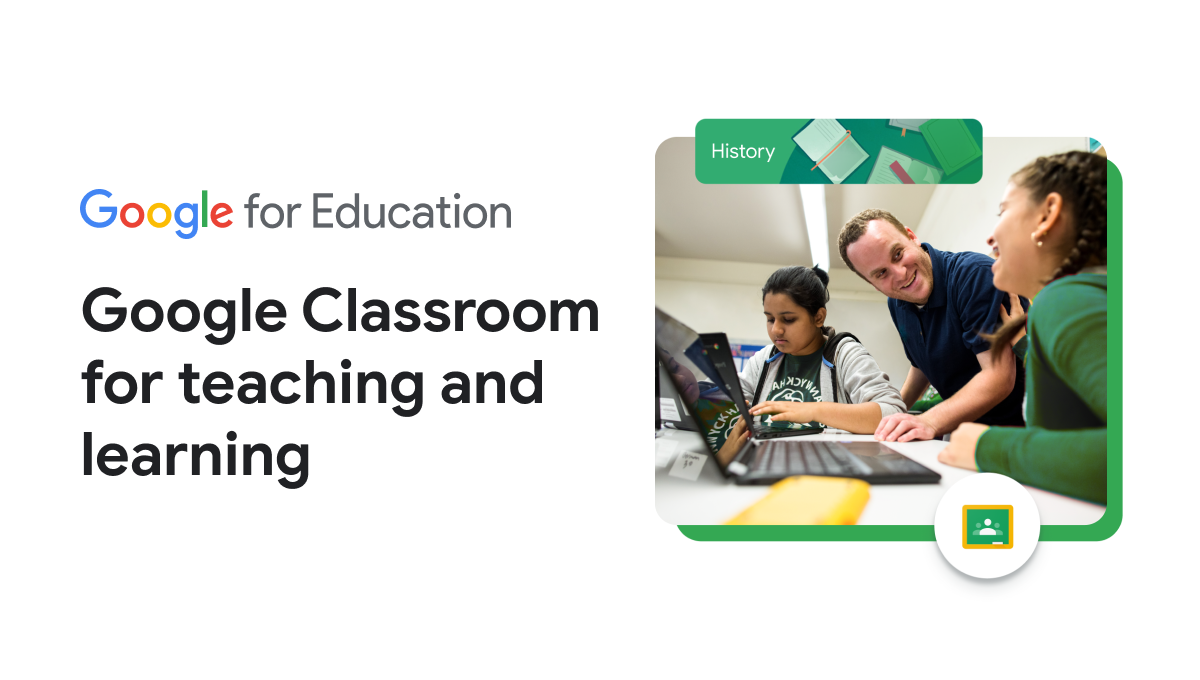
Google Classroom is the assignment and communication layer many schools use inside Google Workspace for Education. Students receive tasks, turn in work, read comments, check deadlines, and sometimes collaborate in teacher-defined groups, all inside one organized class hub.
We've reviewed Google Classroom against our 9-literacy developmental framework. The main growth opportunity: Classroom is infrastructure, not a rich developmental environment by itself.
Strengths & gaps
Strengths
- ● Google Classroom is strong as structure. It helps students keep track of work, deadlines, and teacher feedback over time.
- ● It can also support connection in a practical school sense. Comments and group-assignment tools help students coordinate with teachers and classmates.
Gaps
- ○ Classroom is infrastructure, not a rich developmental environment by itself. Most stronger capacities depend on what the teacher puts into it.
- ○ Creativity and curiosity largely live in attached tools and lesson design, not in Classroom's own mechanics.
Detailed scores
How Google Classroom performs on each of the 9 literacies in our framework.
Doing
— 0 of 3 Strong
Google Classroom gives students responsibility for turning work in, checking feedback, and managing tasks. But the goals and sequence are mostly set by the teacher.
The platform supports staying with work over time. Assignments, feedback, and resubmission flows can reinforce follow-through. Still, the persistence challenge comes from the coursework, not from the tool.
Google Classroom can support different groupings and workflows. That gives teachers flexibility. But the student is not usually being pushed by the platform itself to rethink a strategy.
Thinking
— 0 of 3 Strong
Google Classroom organizes lessons. It does not create inquiry on its own.
Students may create excellent work linked through Classroom. The creation happens elsewhere.
Students must interpret instructions, track due dates, and respond to comments. That supports some everyday judgment. It is still weaker than a product built around decision-making.
Being
— 0 of 3 Strong
Comments and group work create real human coordination. The interaction is practical and school-focused rather than especially deep.
Google Classroom can help students plan, remember, and follow through. But it does so through external structure more than internal skill-building.
Purpose depends on the class and the teacher's framing. Classroom itself is neutral infrastructure.
Based on 4 sources
Reviewed by New Literacies
Scored by our research-derived framework · AI-assisted analysis with editorial review · 4 sources reviewed · Our methodology →
Get the next guide before it goes live
One email when a new product review ships.
Free. No spam. Unsubscribe anytime.