GoNoodle
Ages 4-10 · freemium · Product · gonoodle.com ↗
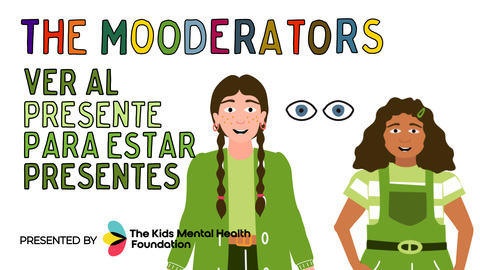
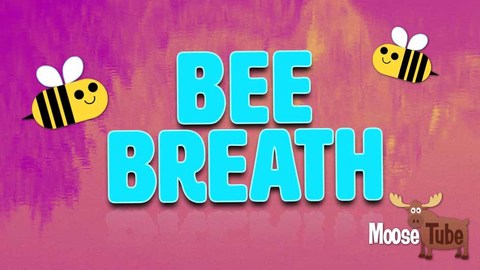
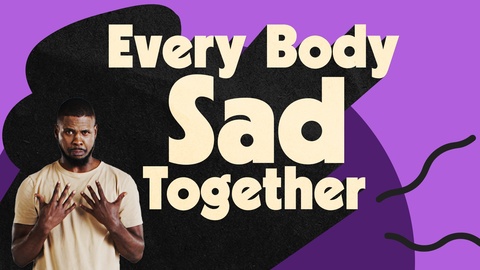

GoNoodle is a free video platform where kids follow along with short dance, exercise, yoga, and breathing activities — typically 2-5 minutes each. Teachers often project it in classrooms as a movement break between lessons, and families use it at home on tablets, phones, or TV apps. Kids pick a video, copy the on-screen movements, and stop when it's done — there's no progression system or open-ended play.
We've reviewed GoNoodle against our 9-literacy developmental framework. The main growth opportunity: Agency stays shallow.
Full review
What Parents Should Know
GoNoodle is good at what brain breaks are supposed to do. It gets kids moving fast, gives teachers a simple reset tool, and adds a small amount of mindfulness language that can be useful in classrooms and at home.Its developmental ceiling is lower than its practical value. GoNoodle does not ask kids to make hard decisions, build original work, or stick with meaningful struggle. It helps with movement and regulation, not with deep agency or creativity.
Strengths & gaps
Strengths
- ● GoNoodle's strongest contribution is Self-Regulation. The mindfulness content explicitly teaches breathing, present-moment focus, and noticing feelings, and that is reinforced by calm-down and reflection videos.
- ● Connection is real, even if limited. When a class moves together, the room gets a shared rhythm that matters more than a solo video on a tablet.
- ● The platform is easy to use and easy to trust. It is free, quick to launch, and built for short, predictable sessions.
Gaps
- ○ Agency stays shallow. Kids can choose a video, but GoNoodle does not let them set goals or redirect the activity in a meaningful way.
- ○ The product is not a struggle engine. It helps kids move, but it does not ask them to persist through hard problems or recover from failure.
- ○ Purpose is basically absent. GoNoodle talks about self-discovery, but the experience itself does not connect effort to values or contribution.
Detailed scores
How GoNoodle performs on each of the 9 literacies in our framework.
Doing
— 0 of 3 Strong
GoNoodle gives kids menu choice, not real ownership. They can browse channels, favorites, and activity types, but once the video starts the child is following along step by step. That is useful for classroom management, but it does not build the belief that "I can set a goal and make it happen."
The product is designed to be short and accessible, which is exactly why it works as a reset. There is very little room for productive struggle, and almost no failure state to recover from. Kids get movement and momentum, but not the kind of hard-won effort the rubric is looking for.
GoNoodle offers variety across dances, yoga, breathing, and themed videos, but the underlying interaction stays the same. The child is still copying an onscreen routine. That means the product changes content without changing the cognitive move, which leaves adaptability mostly untouched.
Thinking
— 0 of 3 Strong
The platform can attract attention with funny themes, familiar characters, and broad topic browsing. But curiosity needs a gap, and GoNoodle usually closes the gap by showing the child exactly what to do next. There is browsing, but there is not much investigating.
The child does not generate original ideas here. GoNoodle asks for imitation, rhythm, and movement, which are useful skills but not creative output. Even the printable extras are guided activities rather than open-ended making.
GoNoodle does not ask children to evaluate claims, compare evidence, or make decisions with meaningful consequences. That is outside its design. For a 4-10 movement platform, Not Assessed is the right call.
Being
— 0 of 3 Strong
GoNoodle works well in a classroom because it creates a shared physical moment. Teachers and parents also use it together with kids, which gives it more social energy than a solo app. But the interaction is still parallel rather than reciprocal, so it stops at Moderate.
This is the part of GoNoodle that feels genuinely useful beyond entertainment. The mindfulness material teaches kids to breathe, pause, notice their bodies, and name what they feel. It is still video-led, so transfer depends on repeated practice, but the raw material is there.
GoNoodle's brand language talks about self-discovery and positive impact, but the product itself does not connect effort to contribution. Kids are not building something that matters to other people, and they are not asked to explore values or identity. That keeps Purpose out of scope.
Based on 14 sources
- Research libres.uncg.edu — listing.aspx
- Review commonsense.org — gonoodle
- Review commonsense.org —
- Product gonoodle.com
- Product gonoodle.com — who we are
- Product support.gonoodle.com — 241 what is gonoodle
- Product support.gonoodle.com — 194 navigating gonoodle and finding activities
- Product gonoodle.com — how to help your kids practice mindfulness
- Product support.gonoodle.com — 97 what is gonoodle for apple tv
- Product support.gonoodle.com — 388 add gonoodle to roku
- Product apps.apple.com — id
- Product apps.apple.com — id
- Product internetmatters.org — gonoodle
- Product prnewswire.com — gonoodle partners with on our sleeves to introduce new series the mooderators 301536526.html
Reviewed by New Literacies
Scored by our research-derived framework · AI-assisted analysis with editorial review · 14 sources reviewed · Our methodology →
Get the next guide before it goes live
One email when a new product review ships.
Free. No spam. Unsubscribe anytime.