
Geocaching
Ages 6-14 · freemium · experience · geocaching.com ↗
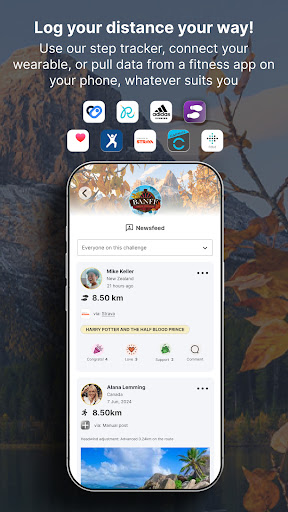
Geocaching is a real-world treasure hunt. Kids use the official app to pick a nearby cache, navigate to the coordinates, search for the hidden container, sign the physical log, and record the find online.
Geocaching stands out for developmental impact across multiple literacies. It builds action and persistence, curiosity. The main growth opportunity: creativity is present but secondary. Most of the developmental action is in searching, not making.
Strengths & gaps
Strengths
- ● Geocaching is excellent for agency. The child is not following a cartoon prompt. They are moving through the actual world toward a real hidden object.
- ● Adaptability and persistence are also strong. The hunt regularly forces children to rethink, retry, and keep going when the first approach fails.
Gaps
- ○ Creativity is present but secondary. Most of the developmental action is in searching, not making.
- ○ Purpose is optional. It gets stronger if a child starts hiding caches for other people, but that is outside the basic experience.
Detailed scores
How Geocaching performs on each of the 9 literacies in our framework.
Doing
— 3 of 3 Strong
Geocaching gives the child a real destination and a real mystery. They choose how to interpret the clues and how to pursue the find.
Good caches are not always easy. Kids often need to keep looking after an initial failure, which makes persistence part of the normal loop.
This is one of Geocaching's best capacities. Children switch between navigation, clue reading, environmental noticing, and hands-on search as the problem changes.
Thinking
— 1 of 3 Strong
Every cache starts with a genuine gap in knowledge. Something is hidden here. The child wants to know what and where it is.
The app is not a creation tool, but puzzle hides and later cache design introduce some real creative thinking. That is enough for Moderate.
Geocaching asks children to read the situation carefully. They have to weigh hints, recent logs, safety, and whether a search strategy makes sense in the actual place.
Being
— 0 of 3 Strong
Geocaching is often a shared family activity, and community logging adds a social layer. Still, the mechanics do not require collaboration every time.
The child has to manage excitement, disappointment, and patience while searching in public. The activity creates those conditions naturally.
Purpose gets stronger when children create caches for others or connect the activity to caring for places. Basic play does not make that explicit.
Based on 5 sources
- Product geocaching.com — getstarted
- Product geocaching.com — what is geocaching
- Product apps.apple.com — id
- Product geocaching.com — guidelines
- Product reddit.com — w9n74r
Reviewed by New Literacies
Scored by our research-derived framework · AI-assisted analysis with editorial review · 5 sources reviewed · Our methodology →
Get the next guide before it goes live
One email when a new product review ships.
Free. No spam. Unsubscribe anytime.
See other products strong in the same literacies: