Flip 7
Ages 8-12 · paid · Product · gamewright.com ↗
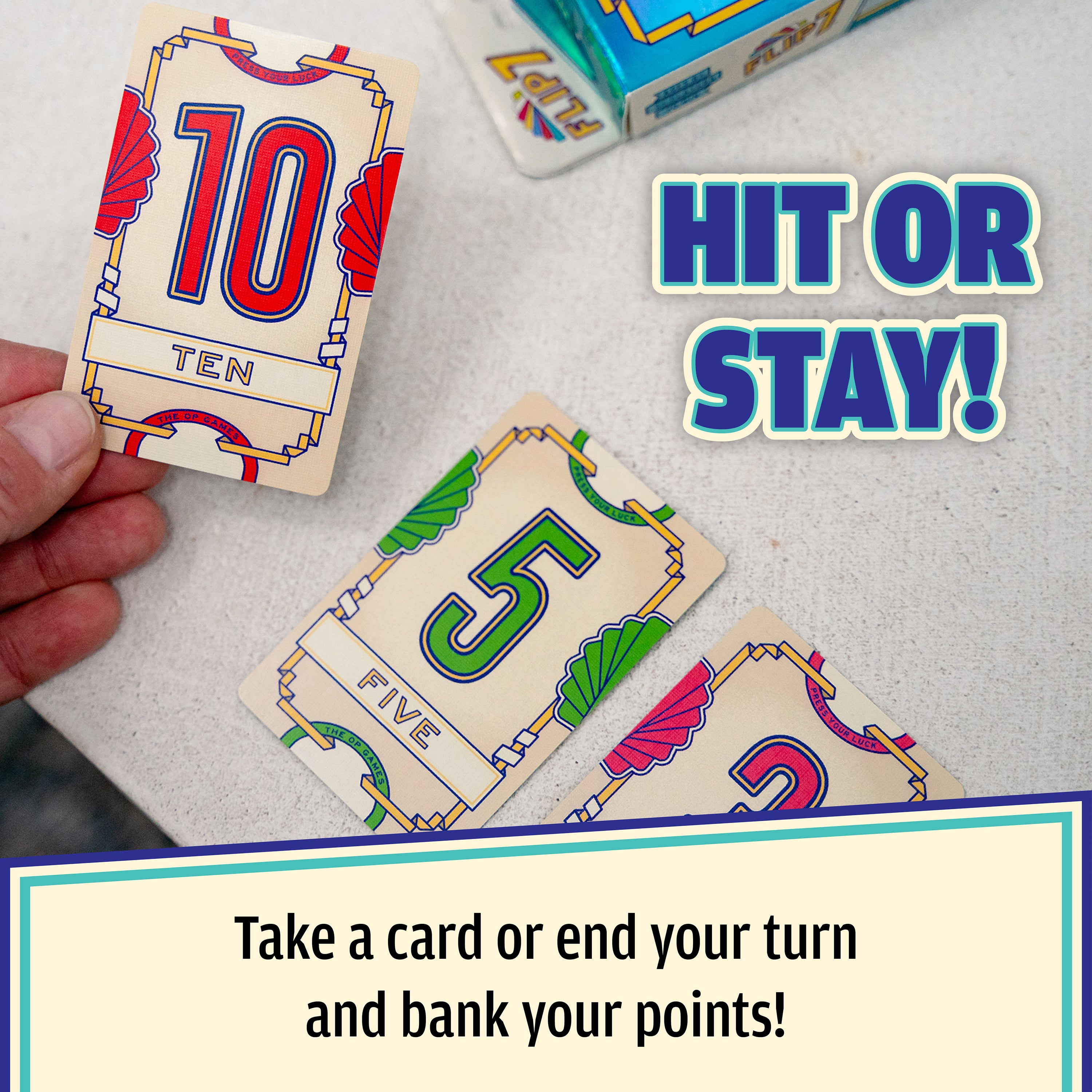
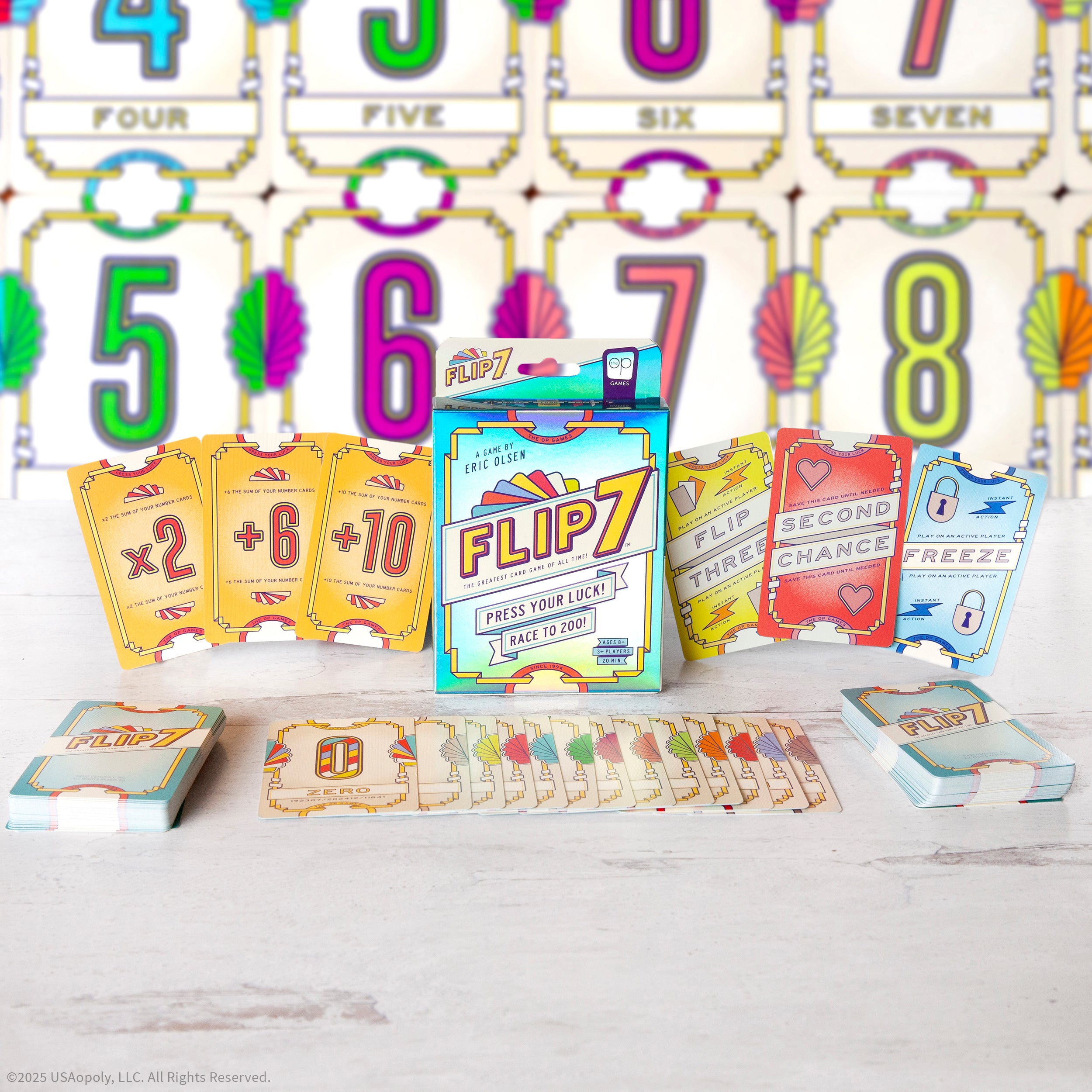
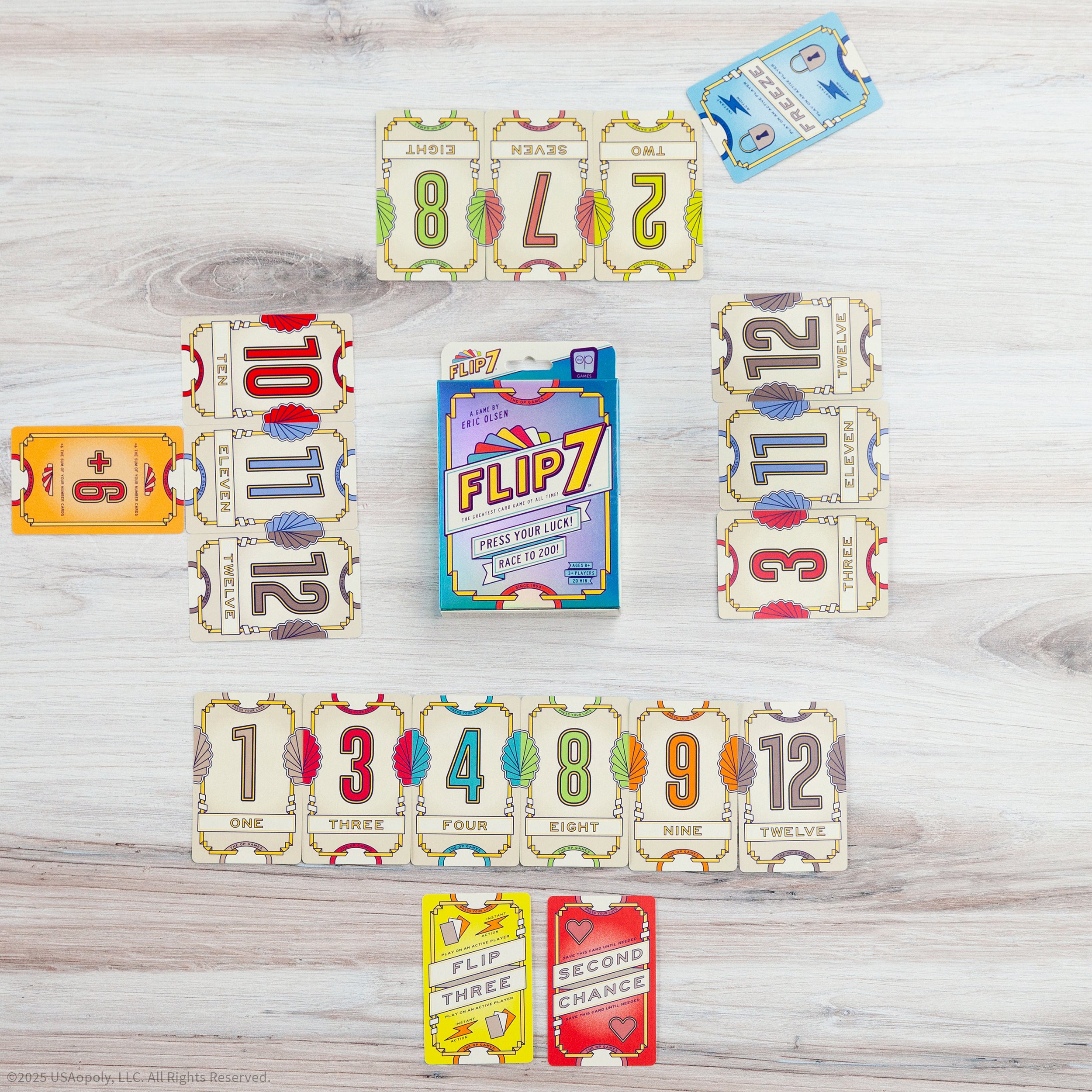
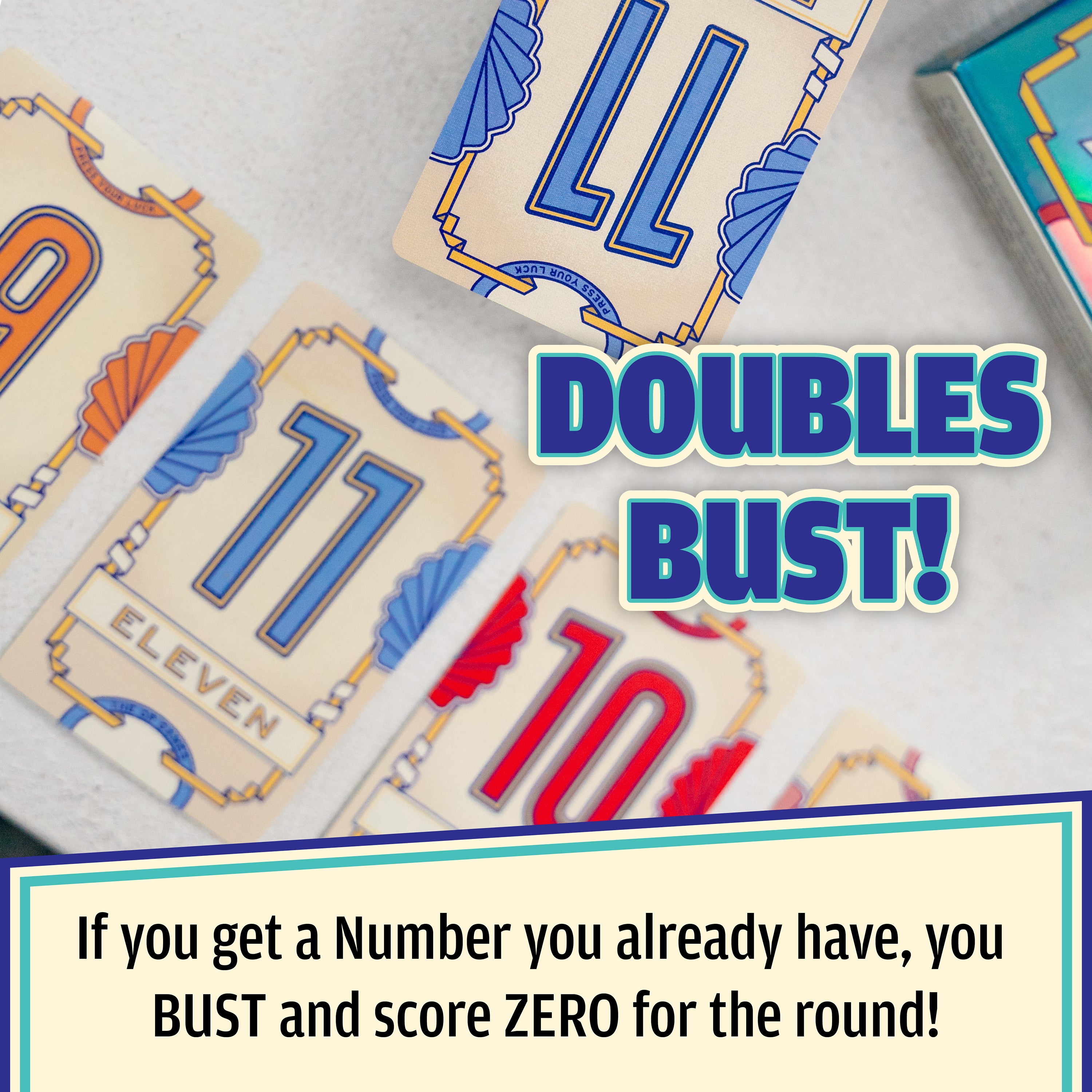
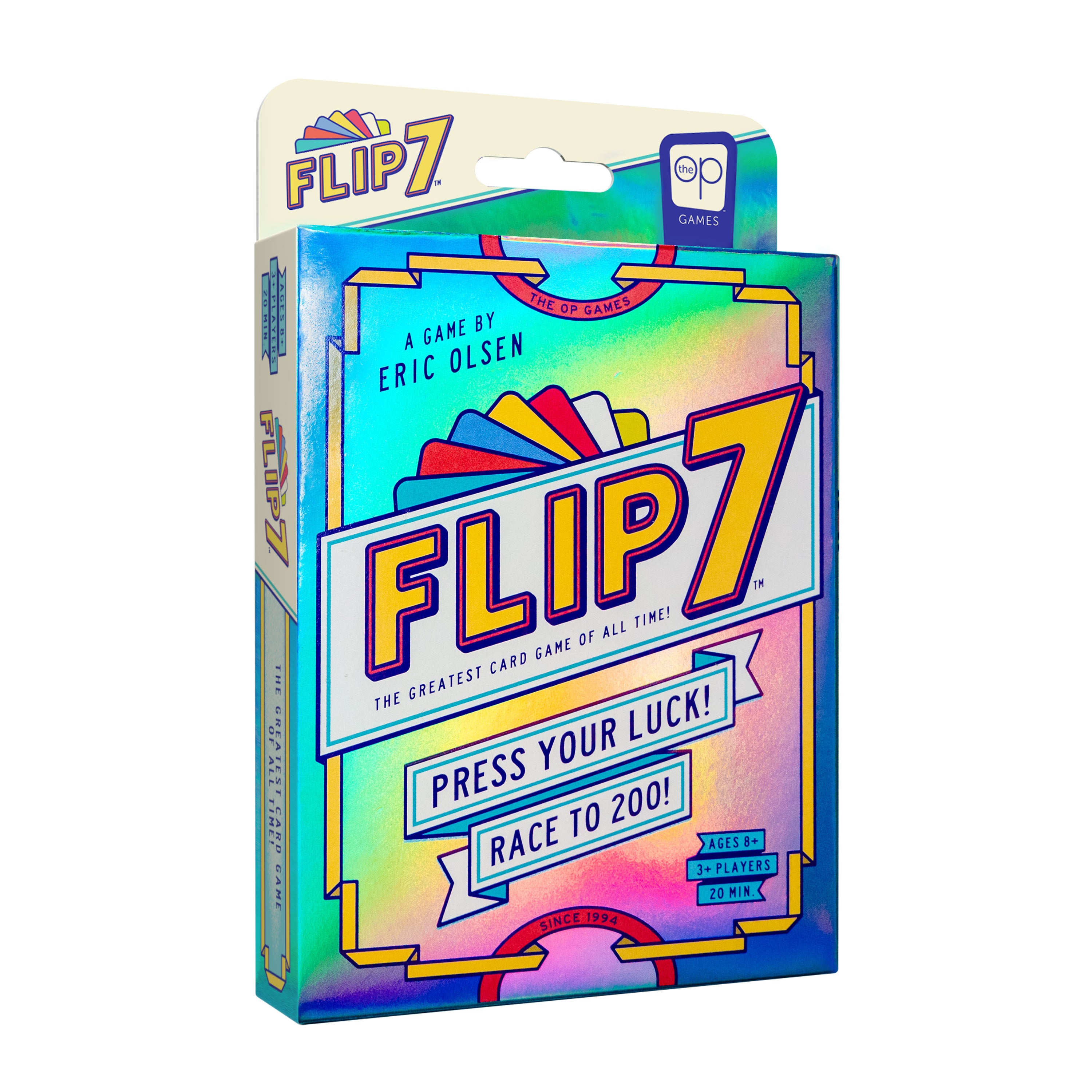
Flip 7 is a fast push-your-luck card game where kids keep deciding whether to bank their points or risk another card. If they draw a duplicate number, they bust and lose the round. Special cards add a little chaos, but the basic question never changes: stop now, or push your luck.
Flip 7 has focused developmental strength worth knowing about. It builds judgment. The main growth opportunity: flip 7 does not build broad capacities. It is a narrow, clean push-your-luck design.
Strengths & gaps
Strengths
- ● Flip 7 is strongest for Judgment. The whole game keeps asking the child to decide whether one more card is worth the risk.
- ● The rules are easy enough for mixed-age groups, which means kids get repeated practice with that tradeoff quickly.
- ● The table energy helps. Busts, freezes, and close calls create shared excitement without much overhead.
Gaps
- ○ Flip 7 does not build broad capacities. It is a narrow, clean push-your-luck design.
- ○ Creativity and curiosity are largely absent. The child is evaluating odds, not exploring or inventing.
- ○ Persistence also stays out of scope. The game is tense, but not effortful in a deep way.
Detailed scores
How Flip 7 performs on each of the 9 literacies in our framework.
Doing
— 0 of 3 Strong
Flip 7 gives kids a meaningful decision every turn. They can stay safe or risk more, and that choice has clear consequences. But the game does not give them much room to shape goals, methods, or direction beyond that repeated push-or-bank choice. Agency is real, but narrow.
Flip 7 creates tension, not productive struggle. A bust can sting, but the next round resets quickly and asks for the same simple decision again. There is little sustained effort or mastery curve. Persistence is not the point of the design.
Good play changes with the board state. A child has to notice what numbers are already exposed, how close players are to 200, and how action cards changed the risk. That is real adjustment. But the adjustment stays inside one compact loop, so Moderate fits.
Thinking
— 1 of 3 Strong
The next draw is uncertain, but uncertainty alone is not curiosity in the rubric’s sense. Flip 7 does not invite question-asking, exploration, or deeper understanding beyond the immediate odds. It creates suspense more than curiosity.
There is no making, designing, or ideation here. Kids are deciding when to stop and how to apply action cards. That can be smart. It is not creative.
Judgment is the heart of Flip 7. Every turn asks the child to balance current value against possible collapse. They have to read risk, reward, and timing with incomplete information. That repeated decision under uncertainty is exactly the kind of practical judgment the rubric is trying to surface.
Being
— 0 of 3 Strong
Flip 7 is fun at the table. Players react to busts, celebrate lucky streaks, and groan at freezes. But the social layer is mostly shared tension, not deep conversation or collaboration. Connection is present, but not unusually strong.
Press-your-luck games are impulse-control games in disguise. Kids have to stop before chasing one more card too often, and they have to stay calm when greed backfires. That gives some real self-regulation practice. But the game does not explicitly teach those skills.
Flip 7 is a quick family card game about points and timing. It does not connect effort to values, identity, service, or contribution. Purpose is outside the design.
Based on 6 sources
- Product theop.games — flip
- Product theop.games — flip 7 faqs
- Product screenwiseapp.com — flip 7 boardgame
- Product boardgamegeek.com — flip
- Product meeplemountain.com — flip
- Product boardgamewikia.com — flip
Reviewed by New Literacies
Scored by our research-derived framework · AI-assisted analysis with editorial review · 6 sources reviewed · Our methodology →
Get the next guide before it goes live
One email when a new product review ships.
Free. No spam. Unsubscribe anytime.
See other products strong in the same literacies: