
Faber-Castell Creativity for Kids
Ages 3-12 · paid · Product · fabercastell.com ↗
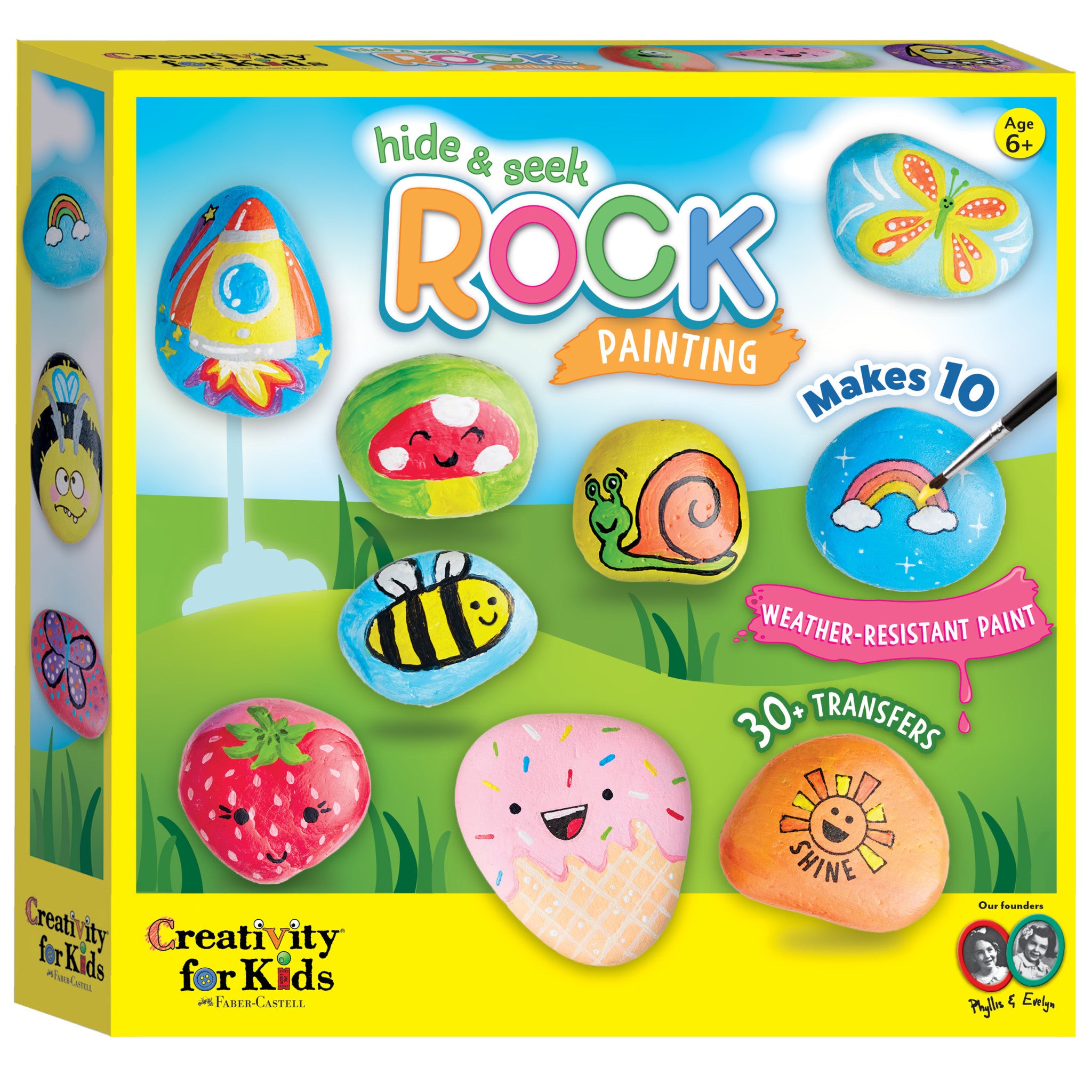
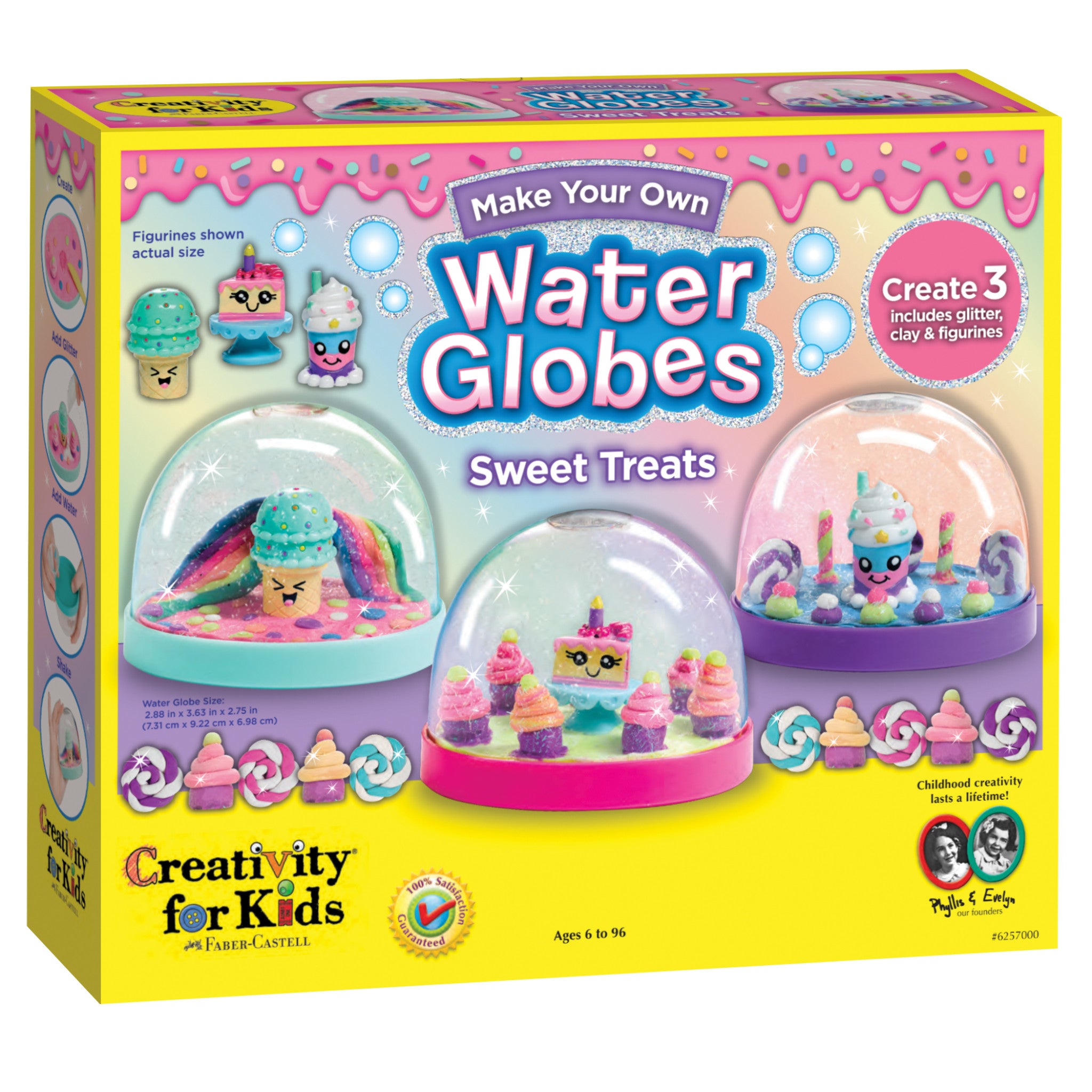
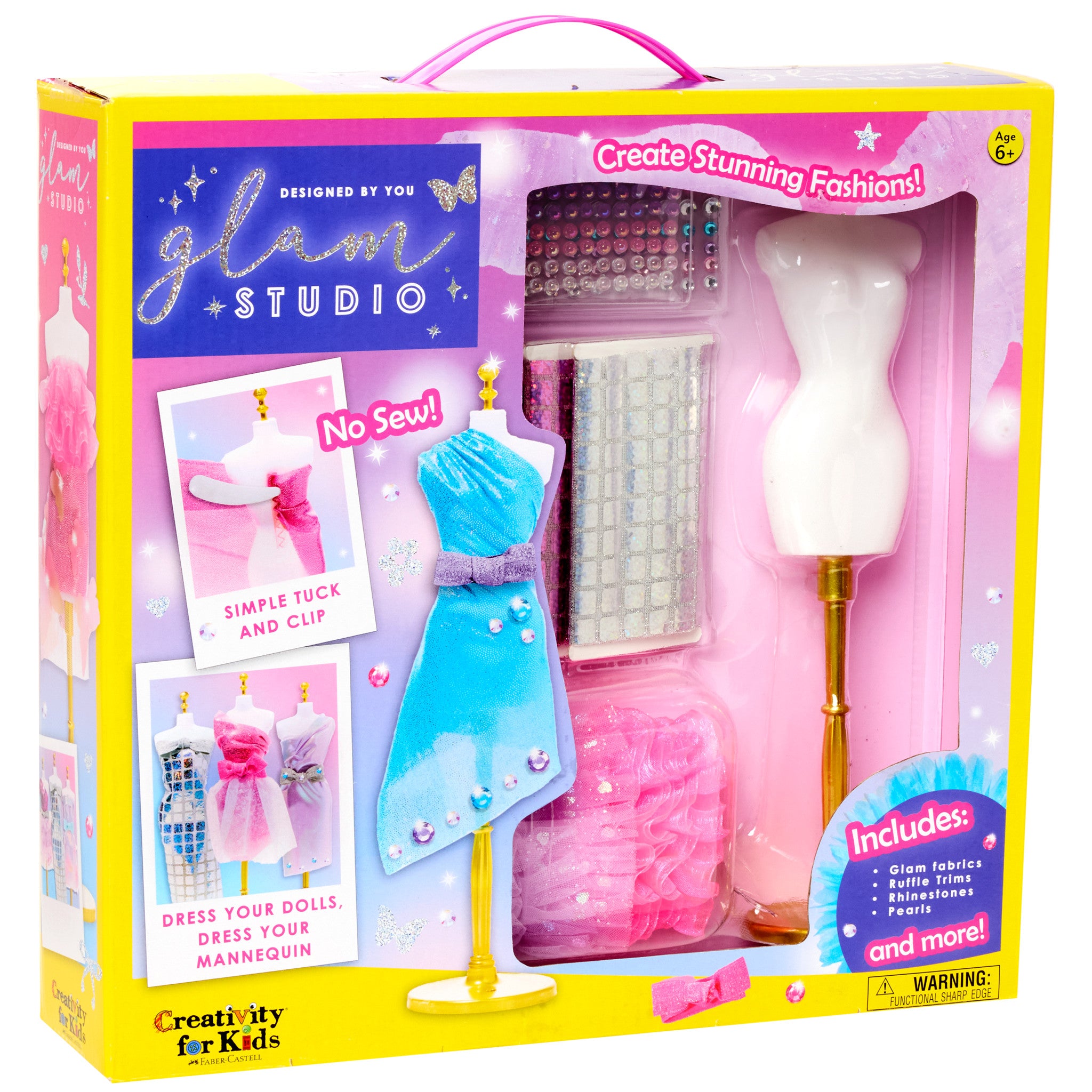
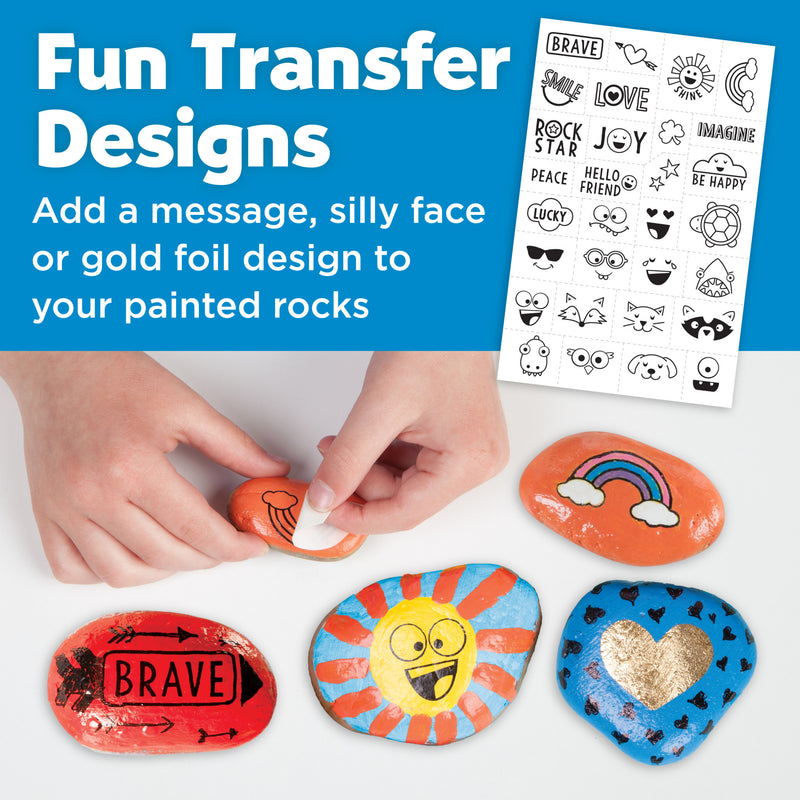
Creativity for Kids is a line of all-in-one physical craft kits. A child opens the box, finds nearly all the materials already inside, then paints, decorates, sculpts, styles, or assembles a finished object they can keep, wear, display, gift, or sometimes share more publicly. This score is not for the entire brand. It is for the classic craft-kit line: the rock painting, water globes, fashion, jewelry, scratch-art, and similar make-and-decorate kits that share the same basic child experience.
Faber-Castell Creativity for Kids has focused developmental strength worth knowing about. It builds creativity. The main growth opportunity: agency is real but bounded. The child decorates and personalizes more than they invent the project from scratch.
Full review
The NL Score measures developmental capacity-building, not product quality.
Strengths & gaps
Strengths
- ● Creativity for Kids is strongest for Creativity. The child ends up with a physical object that looks recognizably like their own work, not a pre-finished toy.
- ● The all-in-one format lowers the start-up barrier. Parents repeatedly note that children can begin without hunting for missing supplies.
- ● The finished artifact gives the work somewhere to go. Many kits naturally end in a gift, room display, wearable item, or small public share.
Gaps
- ○ Agency is real but bounded. The child decorates and personalizes more than they invent the project from scratch.
- ○ Adaptability is the weakest area. Most kits are beginner-friendly and fairly linear once the child starts.
- ○ Connection mostly comes from who is sitting at the table with the child. It is not a core product mechanic.
Detailed scores
How Faber-Castell Creativity for Kids performs on each of the 9 literacies in our framework.
Doing
— 0 of 3 Strong
Creativity for Kids gives children real room to personalize. They choose colors, decorations, layouts, and finishing touches. But the project theme, material set, and general destination are already chosen by the kit. That makes Agency meaningful but bounded.
These kits do ask children to stay with a project. They have to move through steps, manage materials, and keep going until there is something finished. Parent reviews suggest that the all-in-one setup helps children keep working because the friction is low. But the challenge is usually gentle, not the kind of deep struggle that would push Persistence to Strong.
Creativity for Kids allows some revision. Children can change color choices, swap decorations, or try a different look. But most kits still move along one guided project path. They do not require much strategy-shifting or transfer to a genuinely new kind of problem.
Thinking
— 1 of 3 Strong
The materials invite experimentation. Clay, glitter, paints, rhinestones, transfer designs, and scratch-art surfaces all create a natural "what happens if I try this?" moment. That is real curiosity fuel. But the experience is still more about making than about investigating.
Creativity is the clearest strength. This line exists to turn a child into a maker for an afternoon. The result is not just coloring inside a fixed outline. It is a decorated object, scene, outfit, or artifact that carries the child's own taste and choices. For the target age, that is enough to clear Strong.
Children make lots of small design calls here. They decide what belongs together, where embellishments should go, when something feels balanced, and when the craft looks done. Those are real judgments. But they stay inside everyday design and craft decisions rather than broader reasoning work.
Being
— 0 of 3 Strong
Many families will do these kits together. Some are also pitched for small groups. But that social layer is optional and external to the core product design. Creativity for Kids does not directly teach collaboration or relationship skills, so Connection is best treated as outside the scored scope.
These kits quietly ask for practical self-management. Children need to follow directions, handle small materials, clean up, and finish what they started. Parents also highlighted cleanup and responsibility as part of the experience in Faber-Castell's recent awards coverage. But the line does not explicitly teach regulation strategies, so Moderate fits.
Many of these crafts have a natural outward use. They become gifts, room decor, accessories, or rocks that someone else might find in the neighborhood. That gives the work a reason to matter beyond the moment. But the purpose signal stays light. The line is not strongly about contribution, values, or identity.
Based on 8 sources
- Product fabercastell.com — creativity for kids
- Product fabercastell.com — creativity for kids
- Product fabercastell.com — hide seek rock painting
- Product fabercastell.com — make your own water globes sweet treats
- Product fabercastell.com — design by you glam studio
- Product parents.com — parents best toys awards 2025 elementary kids
- Product raveandreview.com — creativity for kids art kits for the win.html
- Product target.com — A
Reviewed by New Literacies
Scored by our research-derived framework · AI-assisted analysis with editorial review · 8 sources reviewed · Our methodology →
Personalization bridge
Not sure what your kid needs most?
Take the quiz to see which literacies matter most for your family, then get practical things to try at home.
Get your family profileExplore more
See other products strong in the same literacies: