
Dysolve AI
All ages · paid · AI Product · dysolve.com ↗
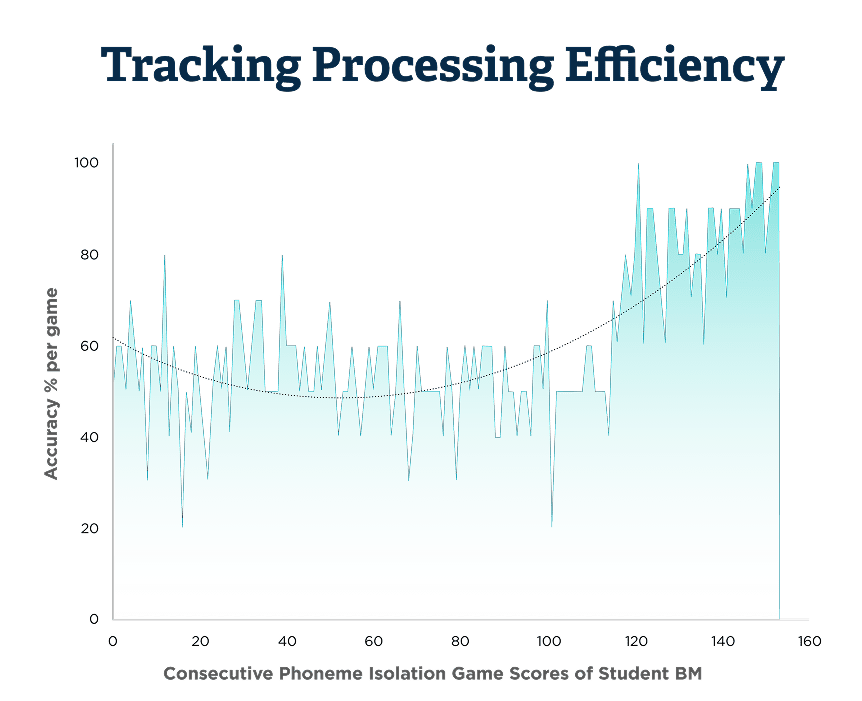


Dysolve AI is a dyslexia-focused intervention platform built around repeated language-processing games. Children return for short, structured sessions while the system varies tasks and tracks performance in an attempt to improve reading through steady, data-driven practice.
Dysolve AI has focused developmental strength worth knowing about. It builds persistence. The main growth opportunity: dysolve AI is narrow by design. It is not there to build curiosity, creativity, or broad judgment.
Strengths & gaps
Strengths
- ● Dysolve AI is strongest for persistence. It is one of the clearest examples in this batch of a product designed around repeated, disciplined practice instead of novelty.
- ● The adaptive variation also matters. The company is trying to avoid simple memorization while keeping the task manageable.
Gaps
- ○ Dysolve AI is narrow by design. It is not there to build curiosity, creativity, or broad judgment.
- ○ The public evidence is also thin and mostly first-party. I found a clear product theory, but not an independent product study.
Detailed scores
How Dysolve AI performs on each of the 9 literacies in our framework.
Doing
— 1 of 3 Strong
Dysolve AI gives the child a real role because they must actually do the practice. But the intervention stays highly prescribed. The child is participating in a therapeutic path, not setting the agenda.
Persistence is the clearest fit. Dysolve explicitly describes daily, incremental work and frames its practice model more like therapy than entertainment. That repeated return to hard literacy work is exactly the kind of loop that can build persistence.
The company says the activities change from session to session even when the same game shell is reused. That matters because it makes the child adjust rather than simply memorize. Still, the flexibility stays inside a narrow therapeutic target.
Thinking
— 0 of 3 Strong
Dysolve AI intentionally keeps the experience simple and low-stimulation. That may help the intended learners. But it also means the product is not especially good at creating wonder, rabbit holes, or self-directed inquiry.
Creativity is outside the scope. Dysolve is not a making environment.
The tasks are about improving processing and reading performance, not weighing alternatives or evaluating evidence. Judgment remains thin here.
Being
— 0 of 3 Strong
Some families may use Dysolve together with a child, but that is not the central loop. The product itself does not appear to build connection directly.
Dysolve's low-stimulus design and expectation of routine can help some children stay calmer and keep going. That is useful. But the product does not explicitly teach regulation strategies, so the signal stays moderate.
The public framing is about remediation and reading growth. It does not meaningfully connect the work to values, identity, or contribution.
Based on 4 sources
- Product dysolve.com
- Product dysolve.com — faqs
- Product dysolve.com — diagnosing dyslexia
- Product dysolve.com — testimonials
Reviewed by New Literacies
Scored by our research-derived framework · AI-assisted analysis with editorial review · 4 sources reviewed · Our methodology →
Get the next guide before it goes live
One email when a new product review ships.
Free. No spam. Unsubscribe anytime.
See other products strong in the same literacies: