
DyslexiaBuddy
Ages 5-13 · paid · AI Product · dyslexiabuddy.com ↗
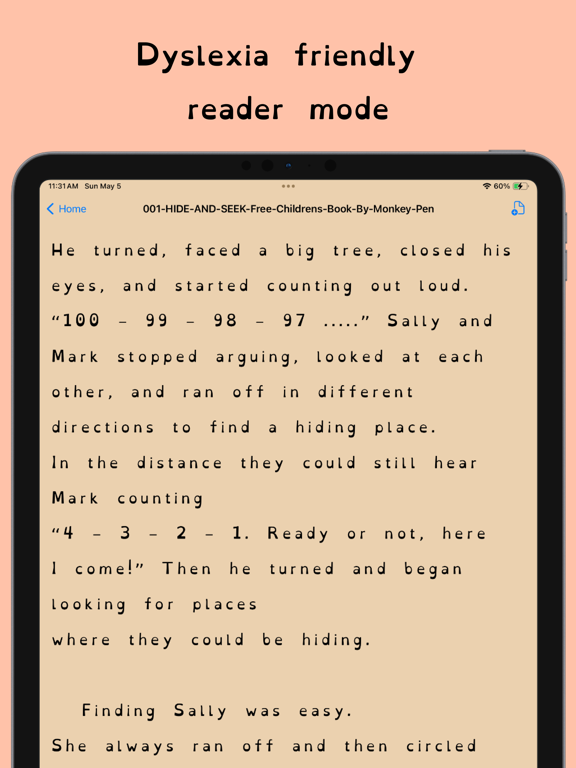
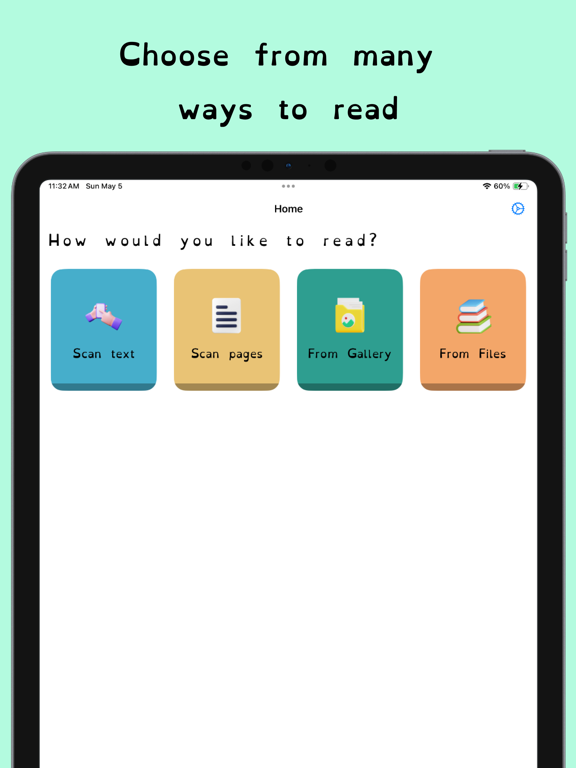
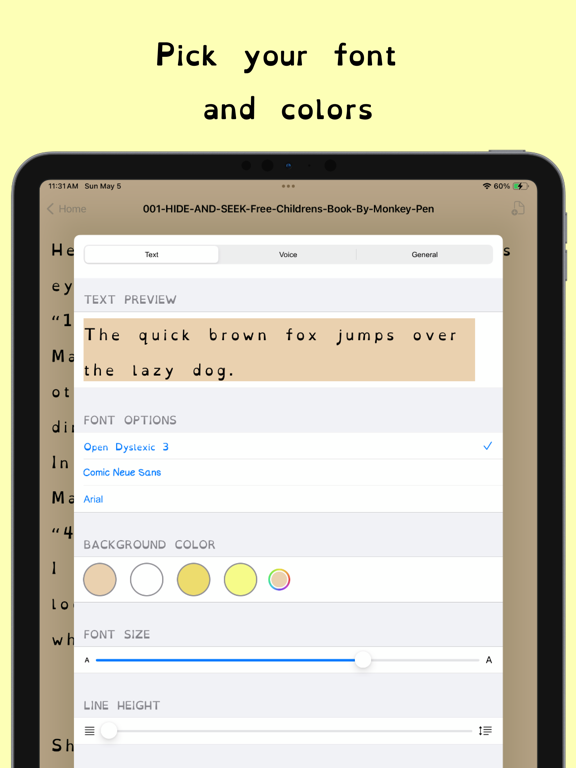
DyslexiaBuddy is a reading support app for children with dyslexia. Kids can scan text, adjust the visual reading environment, listen to read-aloud audio, and use AI-guided support to make printed material easier to get through.
We've reviewed DyslexiaBuddy against our 9-literacy developmental framework. The main growth opportunity: dyslexiaBuddy is an access tool first. It supports reading, but it does not appear to build many capacities directly.
Strengths & gaps
Strengths
- ● DyslexiaBuddy's biggest strength is friction reduction. If a child usually bounces off text, the app gives them multiple ways back in.
- ● The customization matters. Being able to scan text, change formatting, and listen along can help a child switch strategies instead of stopping.
Gaps
- ○ DyslexiaBuddy is an access tool first. It supports reading, but it does not appear to build many capacities directly.
- ○ The evidence base is still thin. I found founder-story and product-feature coverage, not strong outcome studies.
- ○ Connection, creativity, and purpose are mostly outside scope here.
Detailed scores
How DyslexiaBuddy performs on each of the 9 literacies in our framework.
Doing
— 0 of 3 Strong
DyslexiaBuddy gives the child some real control over how reading happens. They can bring in their own text and adjust the reading environment, even though the tool itself stays tightly focused on support.
For a child who finds reading exhausting, simply staying with the task matters. DyslexiaBuddy seems well-designed to make quitting less likely by removing friction and adding support.
This is the strongest fit in the rubric. If plain text is not working, the child can change the way they approach it through OCR, audio, spacing, or visual adjustments.
Thinking
— 0 of 3 Strong
The tool may help a child read things they actually want to read. That can preserve interest, even though DyslexiaBuddy itself is not structured around open-ended exploration.
DyslexiaBuddy is not a making tool. The evidence is about reading access, not generating ideas or creating artifacts.
The app helps children get into text. It does not appear to build broader judgment skills such as weighing evidence or making tradeoffs.
Being
— 0 of 3 Strong
DyslexiaBuddy is mostly a solo support layer. Any relational value would come from shared reading outside the app.
A more comfortable reading environment can help children avoid shutdown. That kind of environmental support can matter a lot for self-regulation during reading.
The available evidence is about accessibility and confidence. It does not connect the work to purpose or identity.
Based on 6 sources
- Product dyslexiabuddy.com
- Product apps.apple.com — id
- Product yourstory.com — dyslexia children elearning app augmenta11y
- Product edexlive.com — this app developed by 20 year old mumbai students makes use of ar to help dyslexic children read bet 6352.html
- Product news18.com — apps from young indian developers aim to fix colour blindness dyslexia speech issues 3816467.html
- Product dyslexiaisoursuperpower.libsyn.com — episode 83 tushar gupta and mudita sisodia chat about augmenta11y the app they created that helps people with dyslexia read using the camera on a smartphone
Reviewed by New Literacies
Scored by our research-derived framework · AI-assisted analysis with editorial review · 6 sources reviewed · Our methodology →
Get the next guide before it goes live
One email when a new product review ships.
Free. No spam. Unsubscribe anytime.