
Dyslexia.ai (Lexy)
All ages · paid · AI Product · dyslexia.ai ↗
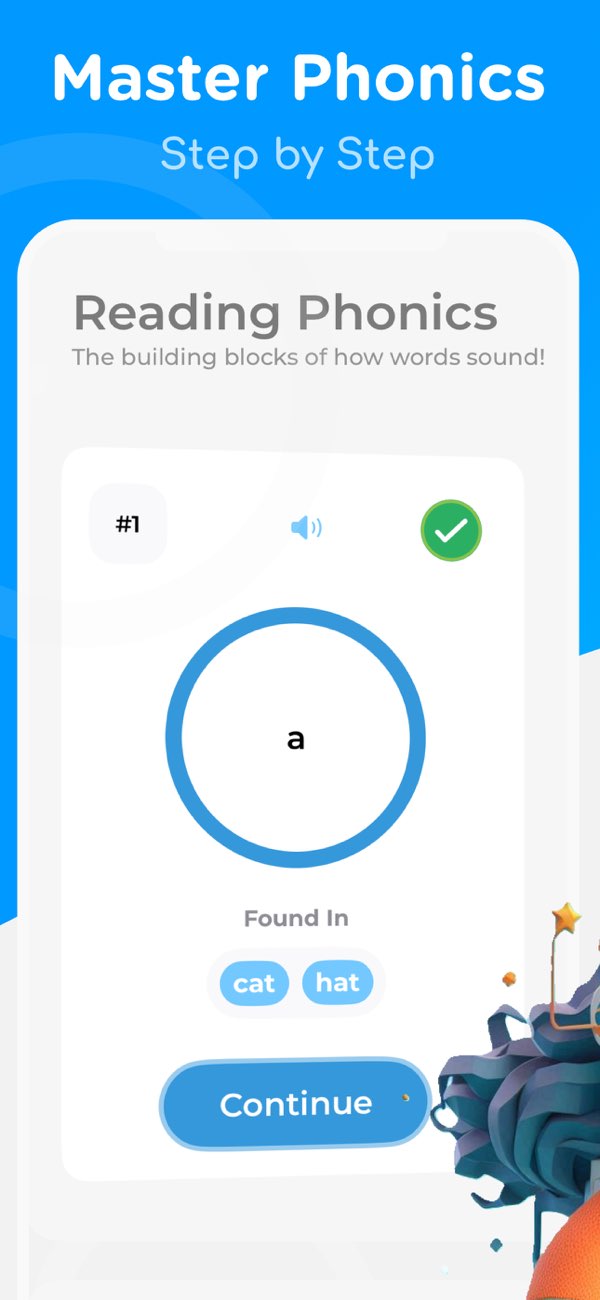
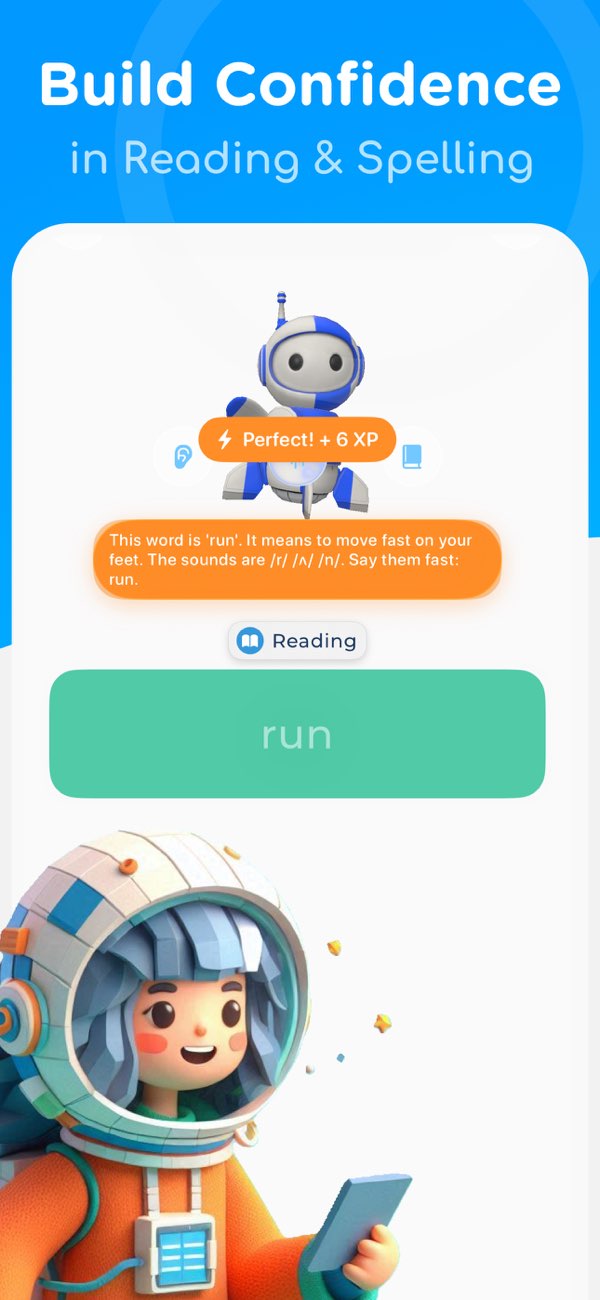
Lexy is a literacy tutoring app built for dyslexic and neurodivergent learners. Children work through short phonics, spelling, reading, and fluency sessions using voice, touch, and typing while the app adjusts difficulty and gives immediate feedback.
Dyslexia.ai (Lexy) has focused developmental strength worth knowing about. It builds persistence. The main growth opportunity: lexy is still a narrow tutor. It is not trying to build broad creativity, curiosity, or judgment.
Strengths & gaps
Strengths
- ● Lexy is strongest for persistence. It takes a hard, often discouraging task and makes it easier to re-enter every day.
- ● The multisensory loop is also well judged. Voice, touch, and typing give children more than one way to stay engaged.
Gaps
- ○ Lexy is still a narrow tutor. It is not trying to build broad creativity, curiosity, or judgment.
- ○ The public evidence is also mostly first-party. I found strong product detail and parent quotes, but not an independent product-outcomes study.
Detailed scores
How Dyslexia.ai (Lexy) performs on each of the 9 literacies in our framework.
Doing
— 1 of 3 Strong
Lexy gets the child doing real work. The learner has to speak, trace, tap, type, and respond instead of passively receiving content. But the app still decides the lesson path and target skill, so the agency is structured rather than open-ended.
Persistence is the center of the product. Lexy breaks literacy practice into short repeatable sessions, adjusts pace to the child, and uses goals and rewards to keep difficult work from collapsing into avoidance. That matters for children who often associate reading practice with frustration.
Lexy adapts its feedback and level based on performance. That gives children a real chance to adjust and try again at the right challenge level. Still, the adaptation stays inside a narrow reading-and-phonics scope.
Thinking
— 0 of 3 Strong
Lexy seems engaging enough that some children want to come back. But it is still mostly a tutor. The child is not following open questions or exploring a wider world.
The product is not built for open-ended making. It is built for reading skill growth.
Lexy asks the child to notice patterns and get sounds or words right. That is useful academic work, but it is thinner than the broader judgment capacity in this rubric.
Being
— 0 of 3 Strong
Lexy aims for a warm, encouraging relationship style, and progress dashboards can help parents and educators respond more constructively. But the main loop is still child-to-app, not child-to-human.
Short sessions, adaptive pacing, and low-drama feedback can make a hard task feel survivable. That can help children stay calmer and keep trying. Lexy supports self-regulation indirectly rather than teaching it outright.
The public framing is about reading improvement and confidence. It does not appear to connect the work to identity, values, or contribution in a deeper way.
Based on 3 sources
- Product dyslexia.ai
- Product apps.apple.com — id
- Product dyslexia.ai — pricing
Reviewed by New Literacies
Scored by our research-derived framework · AI-assisted analysis with editorial review · 3 sources reviewed · Our methodology →
Get the next guide before it goes live
One email when a new product review ships.
Free. No spam. Unsubscribe anytime.
See other products strong in the same literacies: