
National Speech & Debate Association Youth Programs
Ages 10-18 · varies · Curriculum · speechanddebate.org ↗
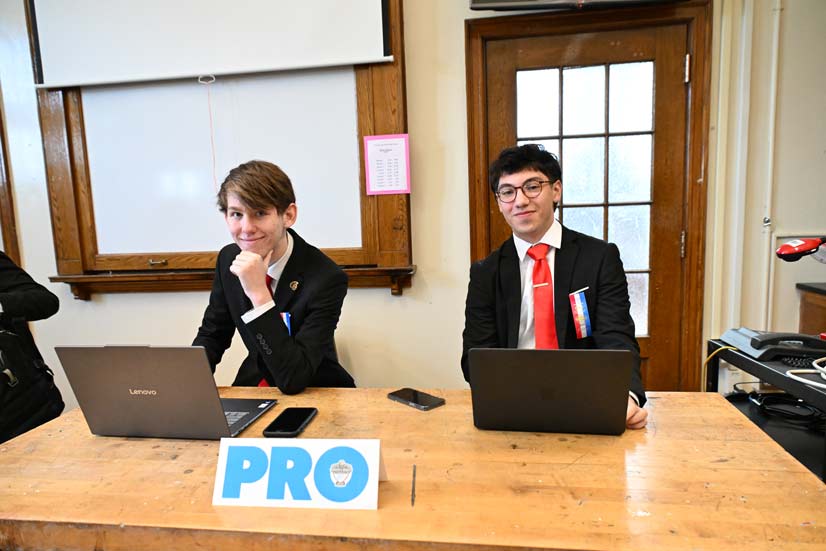
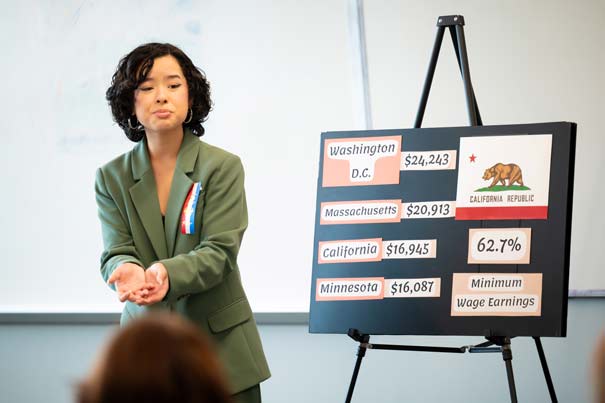


This package scores the youth and middle-school entry path into organized speech and debate. Kids research topics, write speeches or cases, practice delivery, and then perform or argue in front of judges and peers. The pressure is public, the timing is real, and the work changes fast once rounds begin.
National Speech & Debate Association Youth Programs stands out for developmental impact across multiple literacies. It builds action and persistence, judgment, connection. The main growth opportunity: curiosity and Creativity are real but bounded by event structures.
Full review
The NL Score measures developmental capacity-building, not product quality.
Strengths & gaps
Strengths
- ● Debate and speech are strongest for Agency, Persistence, Adaptability, Judgment, and Connection. Kids own the argument, revise it through pressure, and test it against other people in real time.
- ● Adaptability is especially strong. A prepared case is never enough by itself because the room changes once the round starts.
Gaps
- ○ Curiosity and Creativity are real but bounded by event structures.
- ○ Purpose is present through youth voice, though less concrete than in civic action programs.
Detailed scores
How National Speech & Debate Association Youth Programs performs on each of the 9 literacies in our framework.
Doing
— 3 of 3 Strong
Speech and debate put the child's own voice at the center. Even when coaching is heavy, the student still has to stand up and make the argument. That makes Agency a genuine strength.
Children do not get good at this without repetition. Speeches improve through revision. Arguments improve through rounds. That repeated cycle gives Persistence real weight.
This is one of the clearest strengths in the package. Students have to adjust to new arguments, unexpected questions, and changing conditions in the room. The product does not let them stay rigid.
Thinking
— 1 of 3 Strong
Speech and debate can absolutely drive research curiosity, especially around current events or big questions. But the inquiry is still bounded by event topics and competitive structure, so Moderate is the safer score.
There is real expression in speech writing and strategic framing. But the formal event structures keep that creativity constrained rather than open-ended.
Judgment is constant here. Students weigh evidence, decide what to emphasize, and choose how to respond under pressure. That is exactly the kind of live evaluative thinking the rubric wants.
Being
— 1 of 3 Strong
This work is social from start to finish. Students speak to judges, partners, teammates, and opponents. Connection is not just present. It is built into the format.
Public performance creates nerves and pressure, which gives children real regulation practice. But the pathway does not explicitly teach regulation tools in the material reviewed.
Speech and debate clearly strengthen voice and participation. Still, most of that purpose lives inside competition and performance rather than concrete contribution outside the event itself.
Based on 4 sources
Reviewed by New Literacies
Scored by our research-derived framework · AI-assisted analysis with editorial review · 4 sources reviewed · Our methodology →
Get the next guide before it goes live
One email when a new product review ships.
Free. No spam. Unsubscribe anytime.
See other products strong in the same literacies: