
Cubetto
Ages 3-6 · paid · Product · primotoys.com ↗
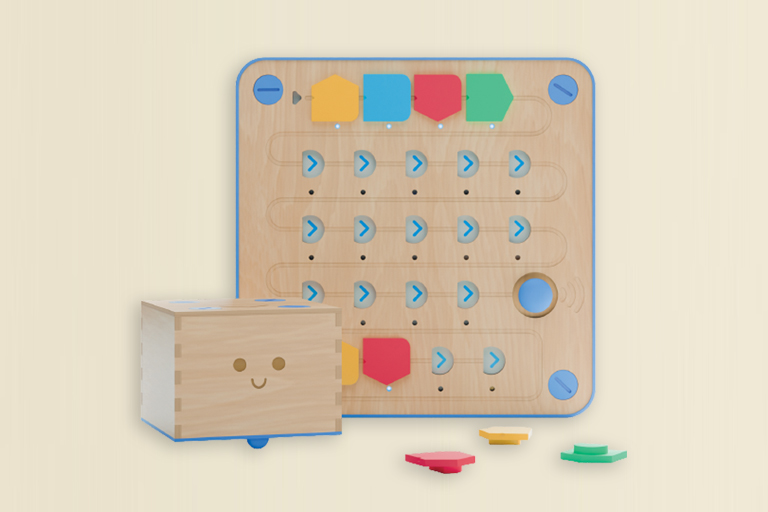
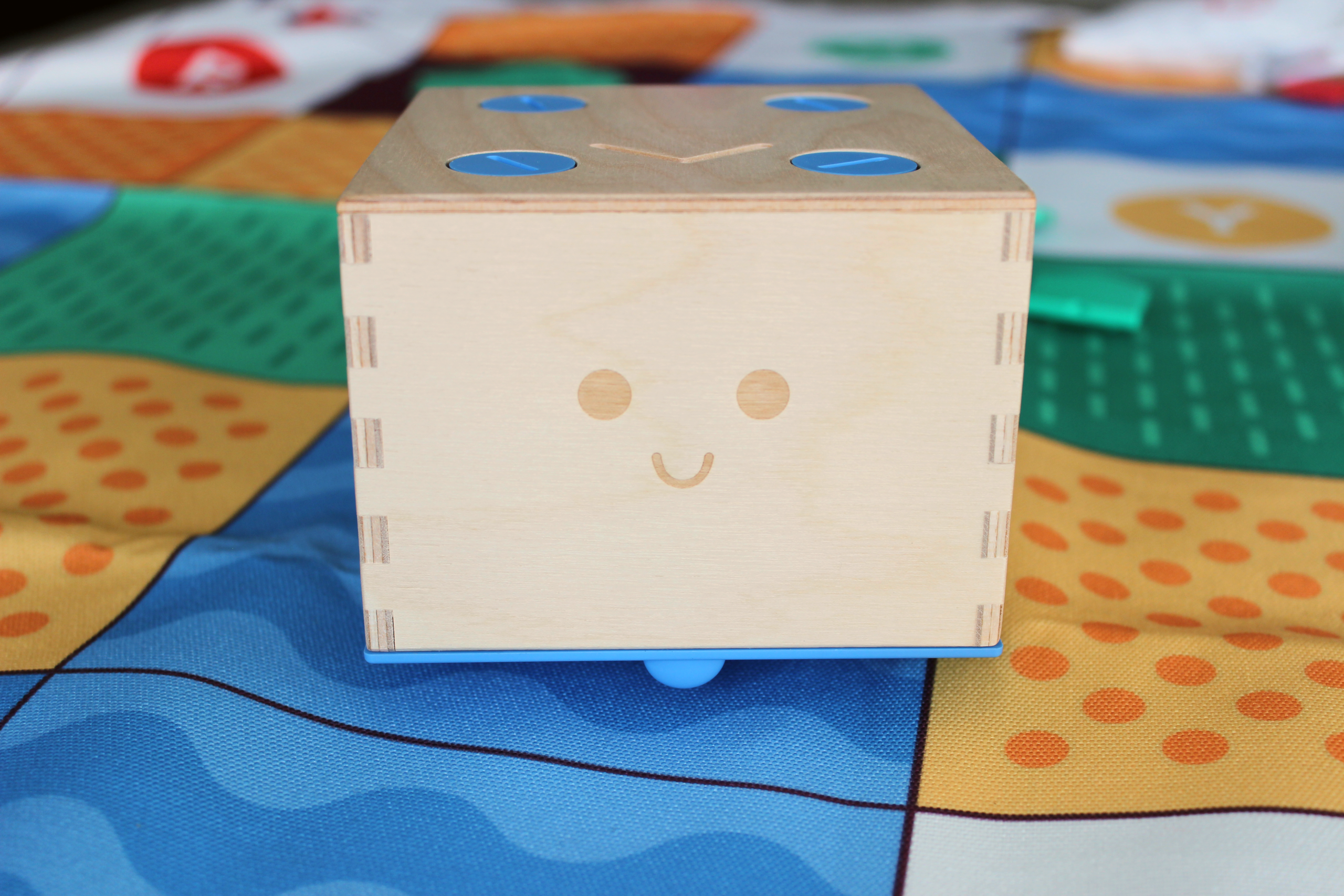
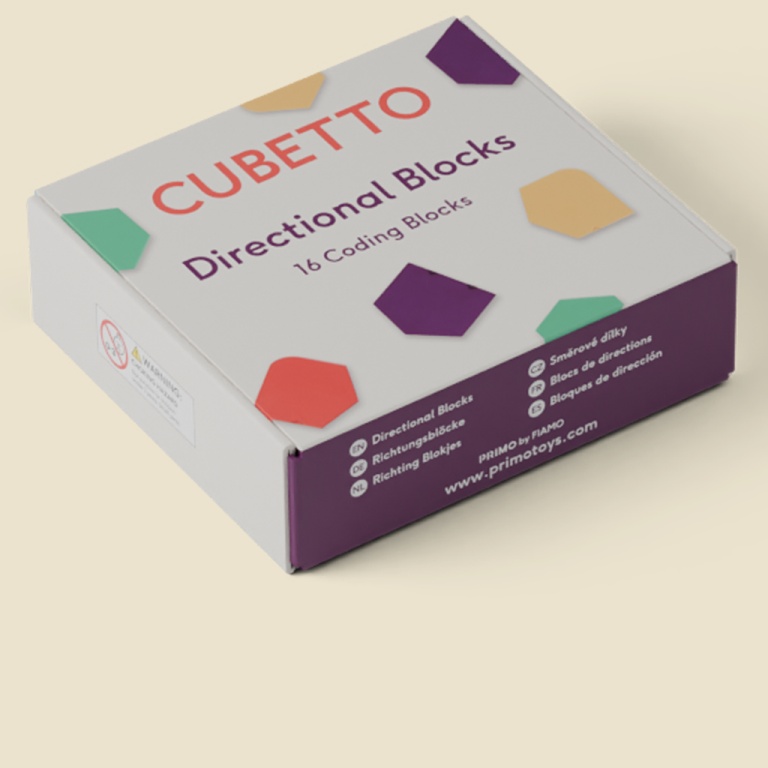
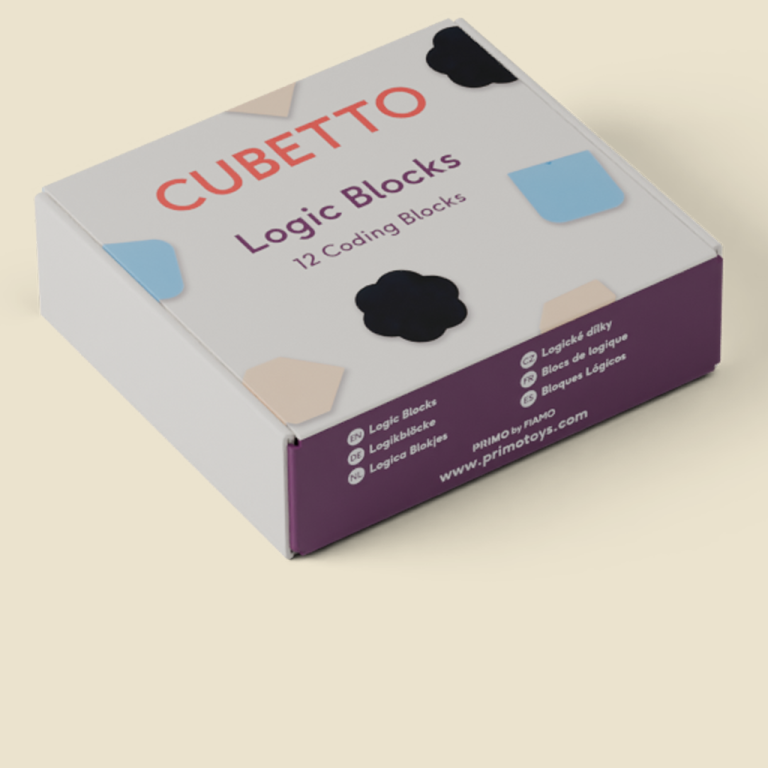
Cubetto is a wooden coding robot for young children. A child places colored blocks on a board, presses start, and watches the robot move across a map or story mat. The newer Cubetto+ version adds longer sequences and function blocks, so older children can build more complex programs. The whole system is screen-free and tactile.
Cubetto has focused developmental strength worth knowing about. It builds agency. The main growth opportunity: Cubetto is narrow by design.
Strengths & gaps
Strengths
- ● Cubetto’s clearest win is Agency. Kids choose the sequence, see a concrete result, and can invent new routes or stories.
- ● The toy is unusually good for early coding because it makes cause-and-effect visible without a screen.
- ● It can be used collaboratively. The educator review and academic study both describe children working together and talking through the task.
Gaps
- ○ Cubetto is narrow by design. It builds programming habits, but it does not reach far into judgment or purpose for this age range.
- ○ The challenge is real, but it is still a preschool toy. It creates some persistence practice without demanding long stretches of struggle.
- ○ Social growth depends on the adult or classroom around it. Cubetto supports connection, but it does not create it on its own.
Detailed scores
How Cubetto performs on each of the 9 literacies in our framework.
Doing
— 1 of 3 Strong
Cubetto puts the child in charge of the program. The child chooses the blocks, starts the robot, and sees a direct result. The current Cubetto+ design adds more steps and more blocks, which gives children more room to build their own programs. The transparent mats and story materials also support child-made adventures.
Cubetto includes debugging, which means the child has to notice when a sequence fails and try again. That creates a real persistence loop. Still, the activity is short and well scaffolded. It supports effort, but it does not force the child to sit in hard problems for very long.
Cubetto asks children to change plans when a sequence does not work. Function blocks and longer programs raise the need for strategy-switching. But the system stays inside one coding language and one robot. The child adapts within Cubetto rather than across many contexts.
Thinking
— 0 of 3 Strong
Cubetto is good at making children ask "what happens if?" The story mats and adventure setup invite exploration. The research and educator reviews also show children asking about direction, distance, and what Cubetto can do. But the curiosity stays inside the toy’s own world.
Cubetto gives children room to invent routes, stories, and custom tasks. The open-ended mats and extra blocks help. The creativity is real, but it is still programming within a fixed block language. It is closer to structured invention than open-ended art.
Cubetto does involve choices, but Cubetto is scored against its primary target age of preschool / ages 3-5 for age-conditional capacities under rubric §3.10. At that age, the rubric treats broader judgment as outside the ceiling. So this stays as age-based not assessed, not a product failure.
Being
— 0 of 3 Strong
Cubetto works well when an adult or another child is in the mix. The reviews describe children giving instructions, working together, and sharing ideas. That makes the toy useful for conversation and turn-taking. It still depends on the surrounding relationship, though.
Cubetto creates small moments of frustration when the robot does not do what the child expected. Those moments are enough to practice reset and recovery. It does not teach coping skills explicitly. The regulation practice is incidental, not built into the lesson design.
Cubetto is about coding play, not values or contribution. Scored against preschool / ages 3-5 as the primary target age, it does not ask the child to connect effort to something beyond themselves. At this age, that is outside the rubric’s purpose ceiling.
Based on 9 sources
- Product link.springer.com — s13384 024 00762
- Product techagekids.com — cubetto wooden coding robot review.html
- Product develop.bc.ca — cubetto
- Product edtech.direct — Cubetto Product Review
- Product youtube.com — watch
- Product primotoys.com — cubetto plus playset
- Product primotoys.com — cubetto user manual
- Product robotshop.com — cubetto educational 2wd robot coding interface
- Product ready2stem.com — cubetto classic playset
Reviewed by New Literacies
Scored by our research-derived framework · AI-assisted analysis with editorial review · 9 sources reviewed · Our methodology →
Get the next guide before it goes live
One email when a new product review ships.
Free. No spam. Unsubscribe anytime.
See other products strong in the same literacies: