Creation Crate
Ages 7-12 · paid · Product · creationcrate.com ↗
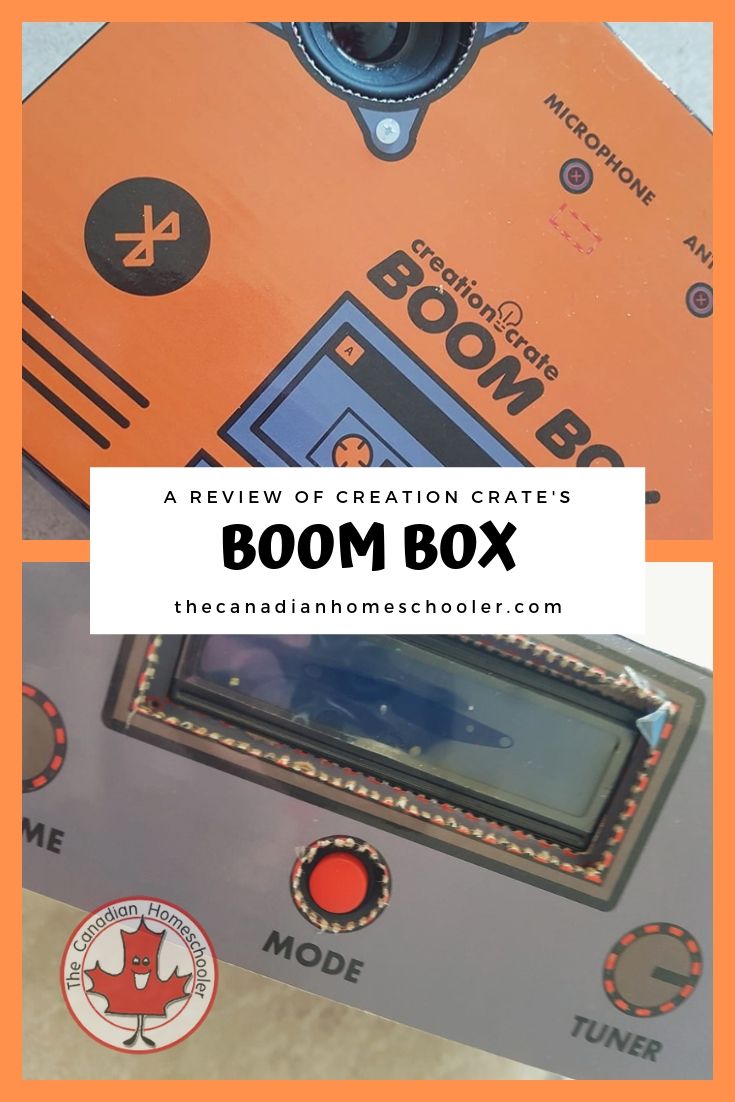
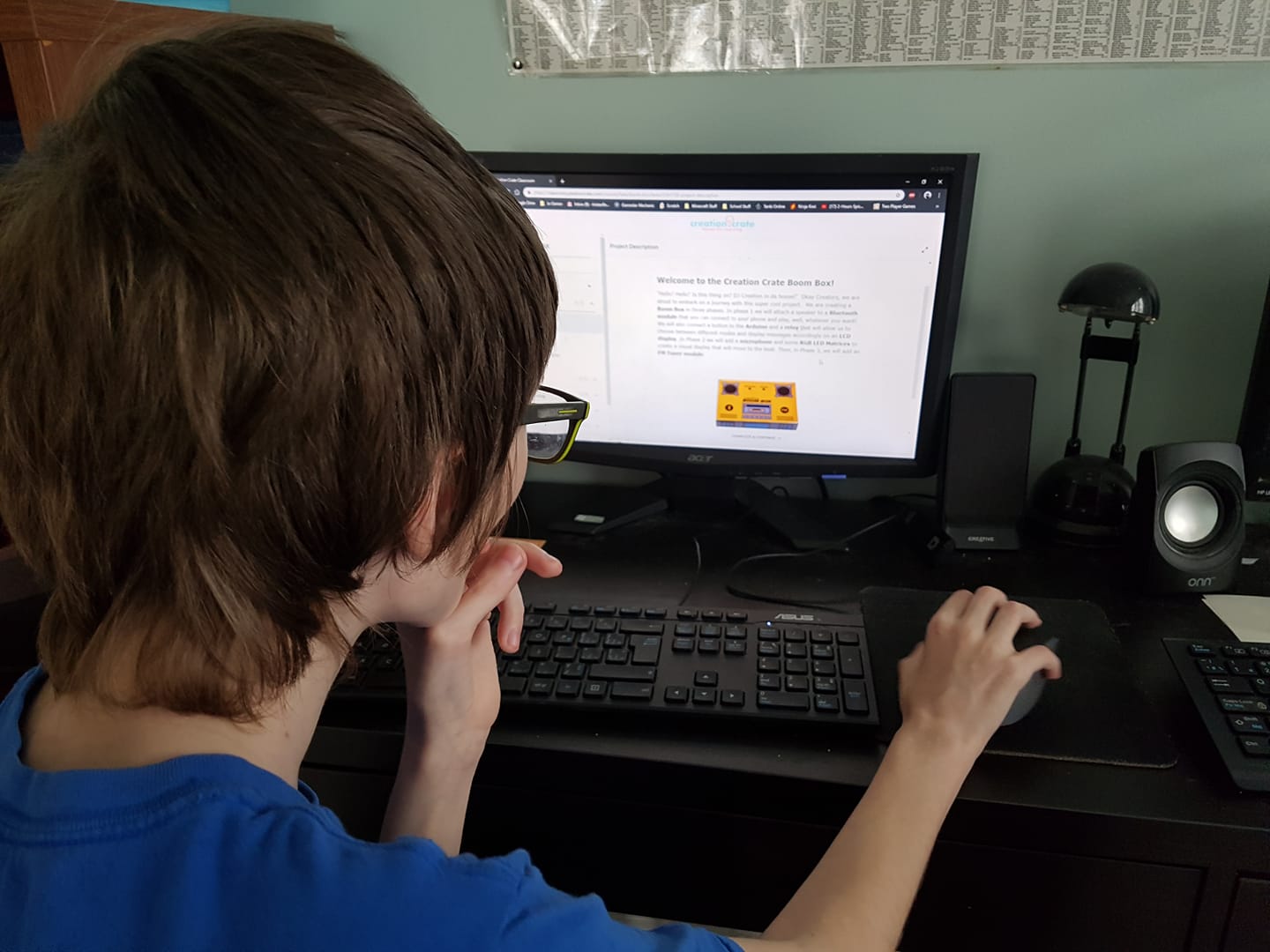
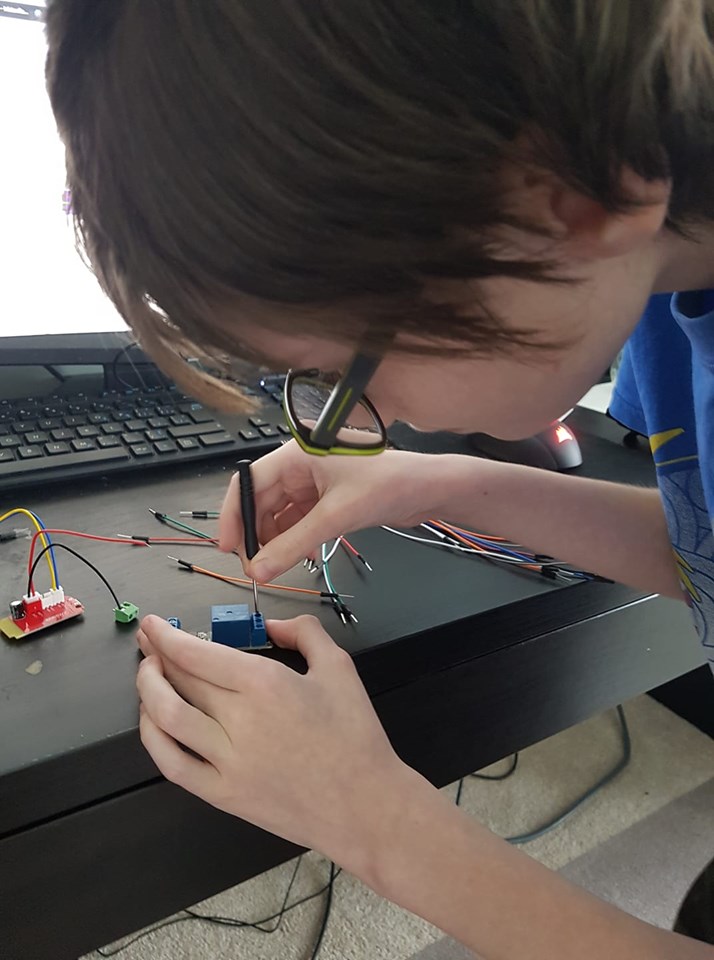
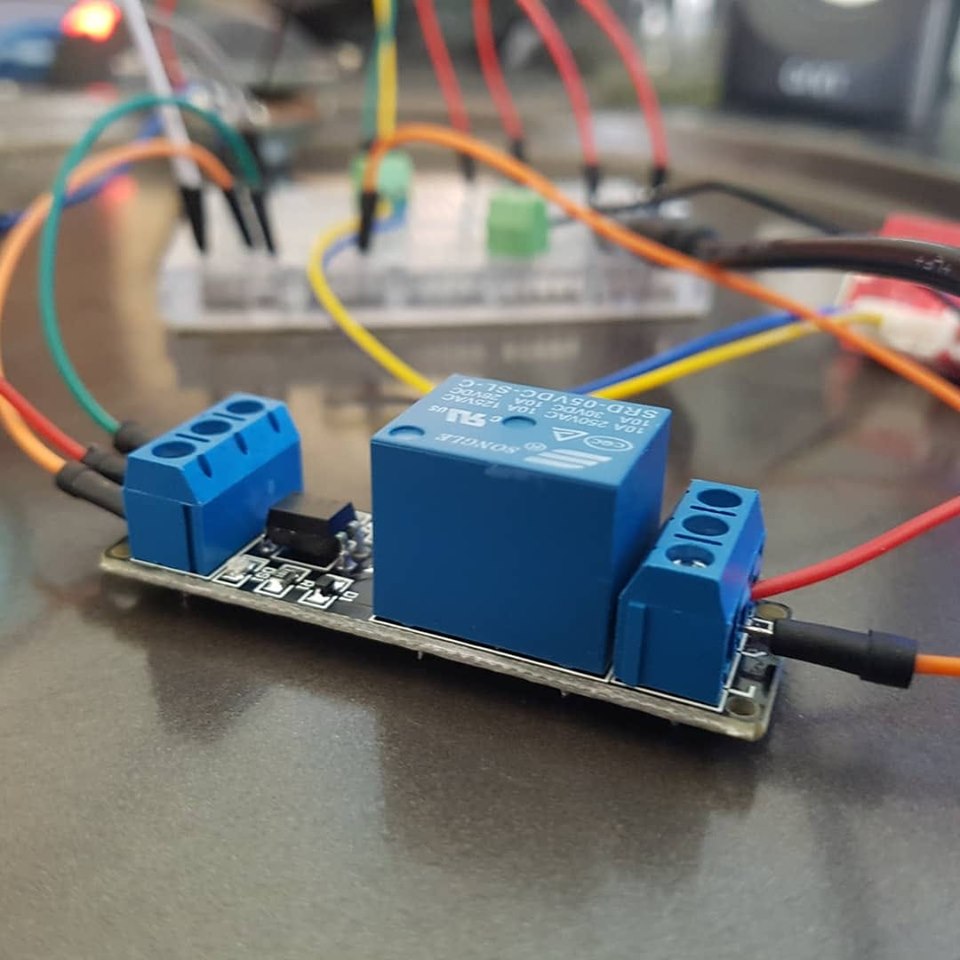
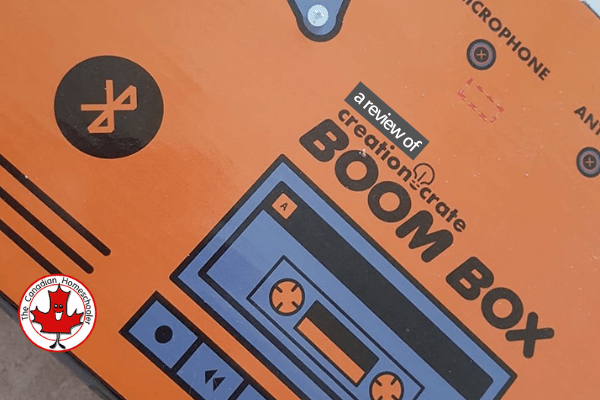
Creation Crate ships a monthly electronics kit with circuit boards, LED lights, sensors, and a microcontroller (Arduino-based). Kids physically wire components, solder connections, and then program the hardware using C++ code. Projects progress in difficulty: month one is a mood lamp, later months build memory games, dice games, lock boxes, and a Bluetooth boombox. Everything arrives in the box, including a tiny screwdriver. Parts are reusable and can be incorporated into independent projects.
Creation Crate has focused developmental strength worth knowing about. It builds hands-on skills. The main growth opportunity: Creation Crate is a solo experience.
Strengths & gaps
Strengths
- ● Creation Crate's standout is the combination of Agency and Persistence. A child who builds a working mood lamp from raw wires and code can point to it and say "I made that." Reviewers explicitly note the product builds "character qualities like staying on a task even if it's hard, trying again, and problem-solving skills."
- ● The parts are real and reusable. Components aren't single-use. One child started "rearranging things to see if he could make it work in a new way" beyond the prescribed project. That's genuine agency extending past the kit's instructions.
- ● Progressive difficulty builds sustained challenge across months. Early projects are accessible; later ones are genuinely hard. The difficulty curve mirrors the desirable difficulty research.
Gaps
- ○ Creation Crate is a solo experience. Connection and collaborative skills aren't part of the design. Parent co-building is recommended but functions as scaffolding, not collaboration.
- ○ Purpose is absent. The projects create functional devices, but Creation Crate doesn't connect electronics skills to identity, values, or real-world contribution.
Detailed scores
How Creation Crate performs on each of the 9 literacies in our framework.
Doing
— 2 of 3 Strong
Creation Crate gives children genuine ownership of functional electronic devices. One child emphasized "he was able to build something that actually worked, and he made it himself." The reusable parts can be repurposed for independent projects beyond the kit. Children drive the building and coding process, and failure is frequent (components don't work, code has bugs) but recoverable. The tangible, functional outcome makes agency concrete.
Creation Crate creates real productive difficulty. Assembling fragile electronic components requires precision. Coding requires exact syntax and debugging when things don't compile. One reviewer noted the project "was a little bit advanced for my boy, but he was able to type it all in himself, search for errors." Multiple reviewers explicitly cite persistence as an outcome. The difficulty is genuine, not simulated.
Debugging electronics and code requires recognizing when an approach isn't working. Each monthly project introduces different concepts (circuits, sensors, Bluetooth) requiring new techniques. But the domain is narrow and the progression is structured.
Thinking
— 0 of 3 Strong
Each month introduces new electronics concepts that invite experimentation. The programming component naturally prompts "what happens if I change this?" questions. But the primary experience follows prescribed instructions with specific outcomes.
Reusable parts allow children to modify and extend projects beyond the kit instructions. One child demonstrated independent modification. But each project starts from a specific blueprint with a defined target outcome. This is engineering creativity, not open-ended expression.
Troubleshooting circuits and code involves cause-and-effect reasoning. But Creation Crate doesn't require evaluating competing information or making decisions under genuine uncertainty in the broader sense.
Being
— 0 of 3 Strong
Parents are advised to work alongside younger children, but this functions as support rather than designed collaboration. Creation Crate is fundamentally a solo building experience.
Fragile wires that can break cultivate "responsibility and maturity." Debugging code when nothing works requires managing frustration. Multi-hour projects before a functional result build delayed gratification. But Creation Crate doesn't teach coping strategies or label emotions.
Creation Crate builds practical electronics skills but doesn't connect those skills to identity, values, or contribution. Purpose is outside the product's scope.
Based on 5 sources
Reviewed by New Literacies
Scored by our research-derived framework · AI-assisted analysis with editorial review · 5 sources reviewed · Our methodology →
Get the next guide before it goes live
One email when a new product review ships.
Free. No spam. Unsubscribe anytime.
See other products strong in the same literacies: