Creality Ender-3
Ages 10-17 · paid · Product · creality.com ↗
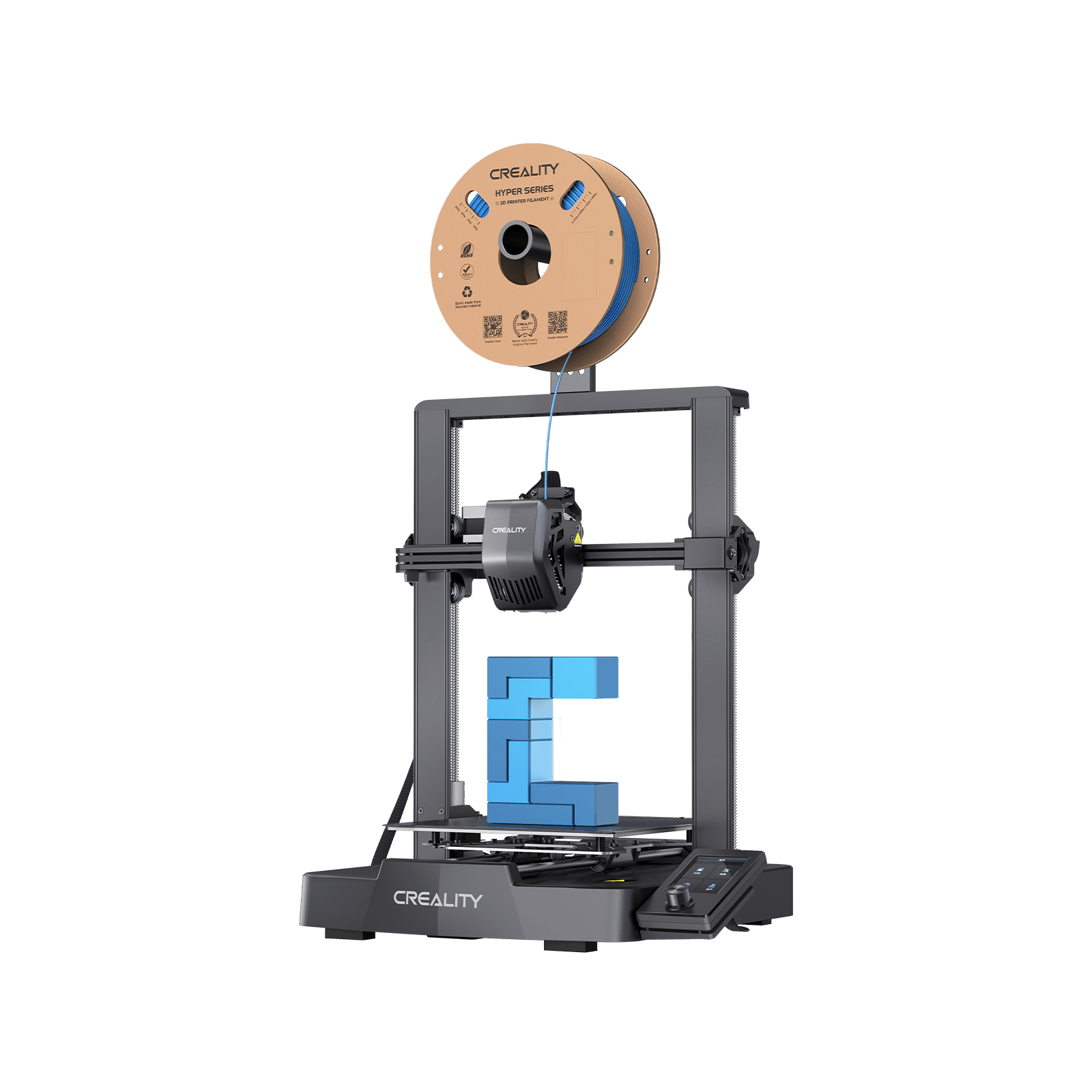

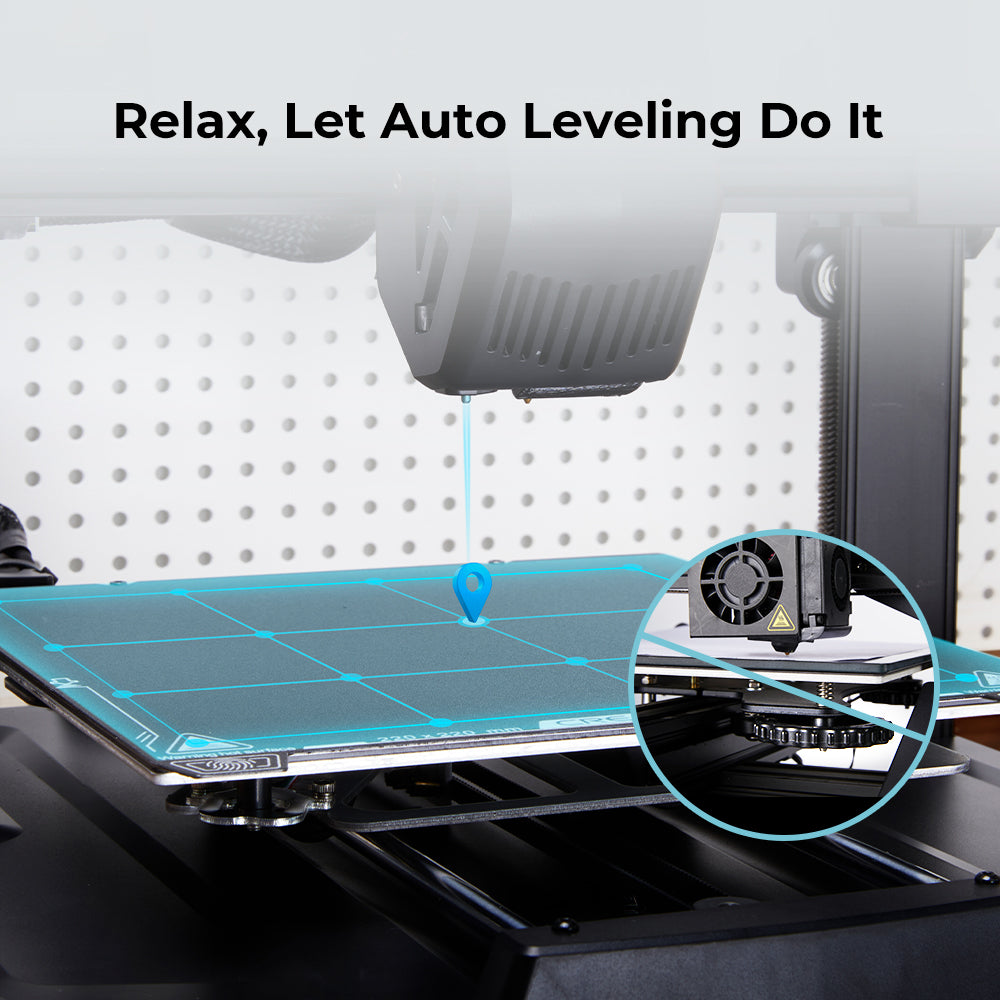
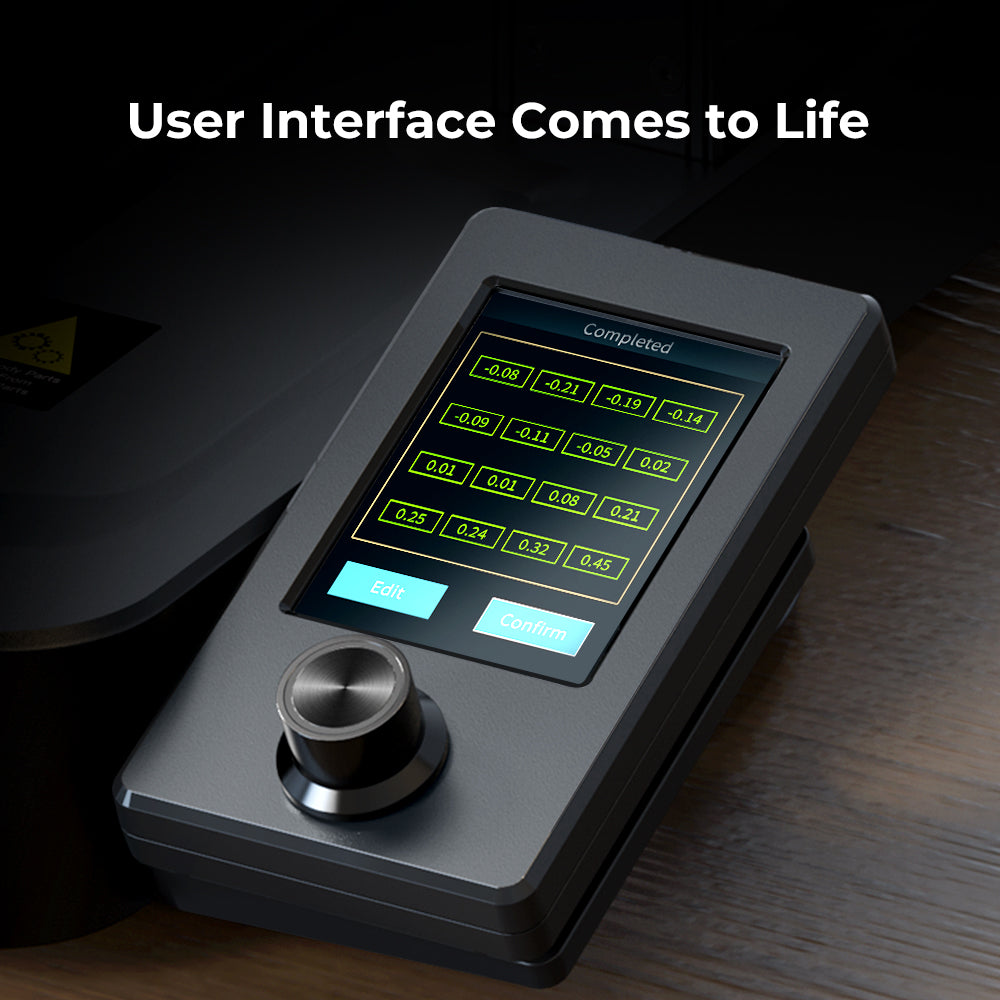
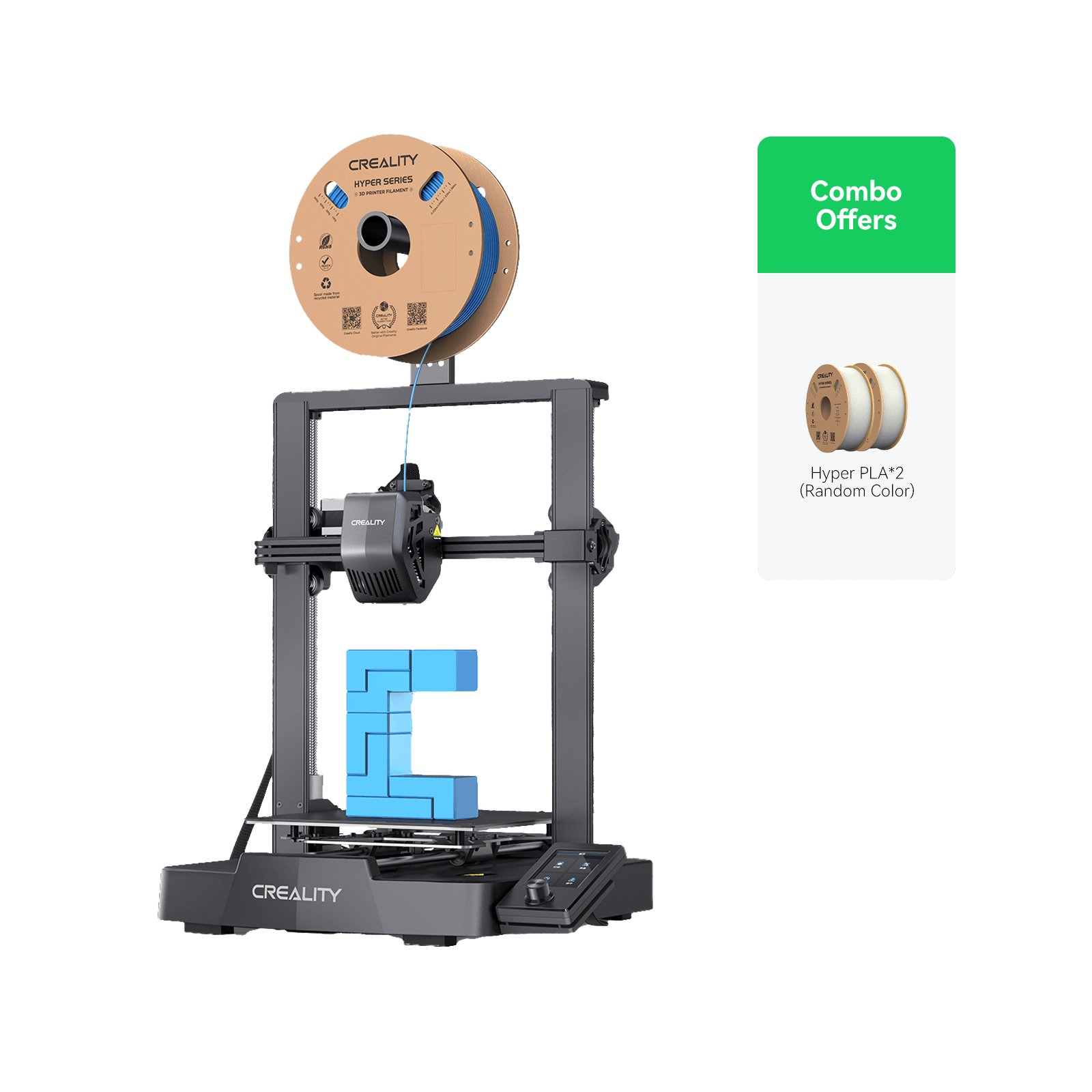
The Creality Ender-3 is a budget open-source 3D printer widely used in schools and by teen makers. Kids design objects in any 3D software (TinkerCAD, Fusion 360, Blender), configure print settings in a slicer (layer height, speed, supports, infill), and print with non-proprietary filament. The V3 SE model adds auto-leveling for beginners, but the Ender-3 line generally expects users to learn calibration, troubleshooting, and the engineering of 3D printing itself.
Creality Ender-3 stands out for developmental impact across multiple literacies. It builds hands-on skills, creativity, purpose. The main growth opportunity: The Ender-3 is not kid-friendly.
Strengths & gaps
Strengths
- ● The Ender-3 is the most developmentally rich 3D printer in this batch. The open-source ecosystem means kids control every variable: what to design, which software to use, which material to print with, and every slicer setting. No walled garden, no proprietary lock-in.
- ● Real productive difficulty is built into the experience. Assembly, calibration, failed prints, and troubleshooting create the kind of sustained struggle that builds genuine persistence. A failed 4-hour print is a real setback that requires diagnosis and retry.
- ● Structured STEM curriculum (NextWaveSTEM) connects Ender-3 printing to real-world engineering problems. The open-source community lets kids contribute modifications that help other makers. This creates purpose beyond personal projects.
Gaps
- ○ The Ender-3 is not kid-friendly. It's designed for makers, not children. Ages 10-12 will need parent or teacher support for assembly and calibration. The barrier to entry is high.
- ○ The printer itself doesn't generate curiosity or creative ideas. It's a fabrication tool that executes designs made elsewhere. Developmental value depends heavily on pairing with design software and projects.
Detailed scores
How Creality Ender-3 performs on each of the 9 literacies in our framework.
Doing
— 2 of 3 Strong
The Ender-3 is a fully open system. Kids choose their design software, their 3D model, their filament material, and every print setting. Tom's Hardware called it "an ideal first or tenth 3D printer." The open-source design means kids can even modify the printer hardware itself. No other 3D printer in this batch gives the child this much control.
Assembly takes hours. Calibration requires patience and iteration. Failed prints are common, visible, and diagnosable (was it bed leveling? temperature? speed?). A 4-hour print that fails halfway through is a real setback requiring emotional recovery and technical diagnosis. The open-source community normalizes this struggle. Parents describe it as "a learning curve" and "learning the ins and outs of 3D printing."
Different materials (PLA, PETG, TPU) require fundamentally different settings. Open-source modifications demand learning new skills. The slicer offers multiple strategies for any print job. But the core workflow (design, slice, print) remains consistent. The Ender-3 doesn't explicitly develop metacognition.
Thinking
— 1 of 3 Strong
The open material ecosystem invites "what happens if I print with this?" exploration. Community modifications create investigation opportunities. But the printer itself is a fabrication tool. Curiosity comes from the design process and the community, not from the Ender-3 hardware.
The Ender-3 accepts any STL file from any software. No walled garden. No proprietary lock-in. The creative ceiling is the child's imagination, not the product's constraints. NextWaveSTEM curriculum has students "design and produce physical objects to solve real-world problems." Research found 3D printing integration increased creativity in 71% of classroom lessons.
Every print job requires evaluating tradeoffs. How strong does it need to be (infill)? How smooth (layer height)? How fast (speed vs. quality)? What supports are needed? These are genuine engineering decisions with real consequences. But judgment stays within the technical domain.
Being
— 1 of 3 Strong
The Ender-3's open-source community is unusually active. Teen makers ask for help on forums, share prints, and contribute modifications. This creates genuine belonging in a community of practice. But connection depends on the user seeking out community. The printer itself is a solo tool.
Hours-long prints require genuine patience. Failed prints require managing frustration and deciding whether to retry. Assembly and calibration demand sustained emotional management. But the Ender-3 doesn't teach coping strategies. The emotional challenge is a side effect of the making process.
NextWaveSTEM's curriculum has students design physical objects to solve real-world problems. The open-source community lets kids contribute modifications that help other makers. Making tangible objects connects effort to real-world outcomes. Parents describe the Ender-3 as "sparking a lifelong love for science and engineering." This is genuine purpose across multiple sub-components: contribution, direction, and self-knowledge.
Based on 9 sources
- Product tomshardware.com — creality ender 3 pro 3d printer
- Product techradar.com — creality ender
- Product gamingtrend.com — creality ender 3 v3 se review a beginners journey
- Product tomshardware.com — best 3d printers for kids and teens
- Product nextwavestem.com — 3d printers for high school students
- Product creality.com — education
- Product 3dprinterly.com — best 3d printers for kids teens young adults family
- Product busymommymedia.com — best 3d printers for kids
- Product files.eric.ed.gov — EJ1406908.pdf
Reviewed by New Literacies
Scored by our research-derived framework · AI-assisted analysis with editorial review · 9 sources reviewed · Our methodology →
Get the next guide before it goes live
One email when a new product review ships.
Free. No spam. Unsubscribe anytime.
See other products strong in the same literacies: