Cognimates (MIT-origin)
Ages 7-14 · free · AI Product · cognimates.me ↗
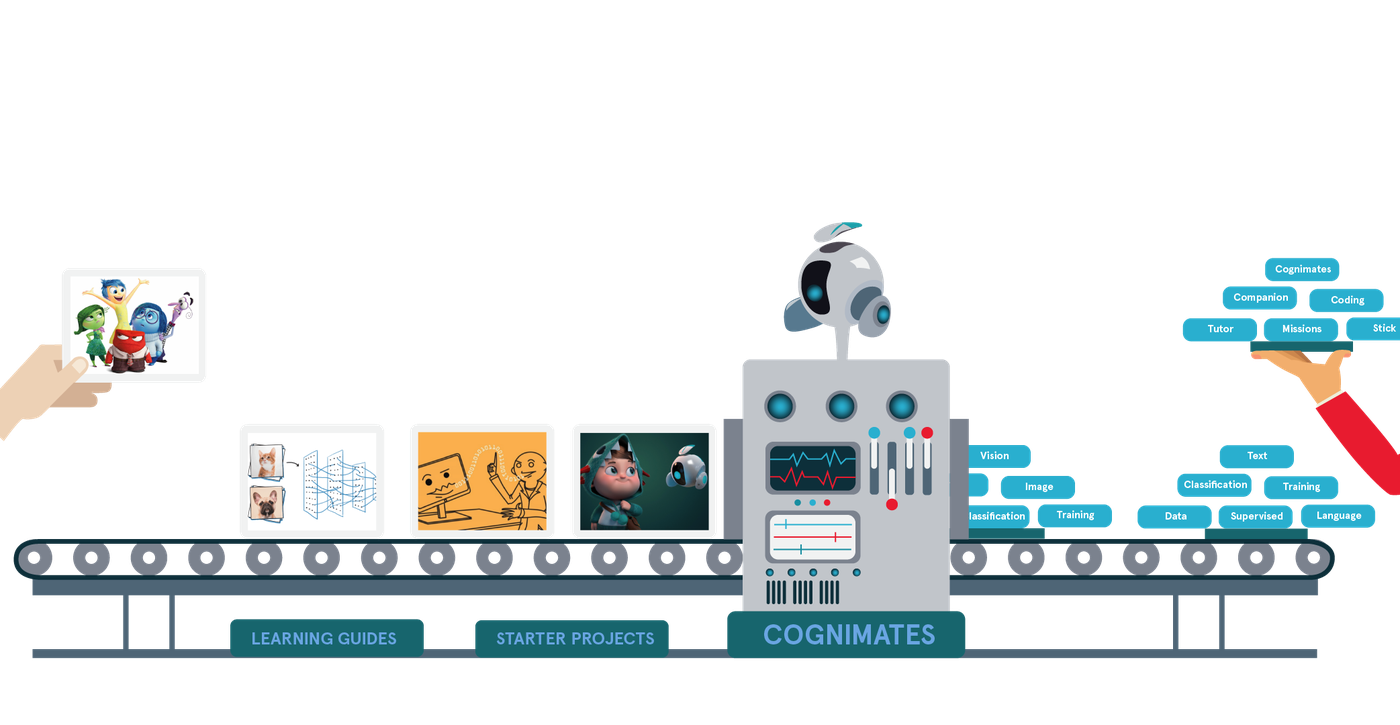
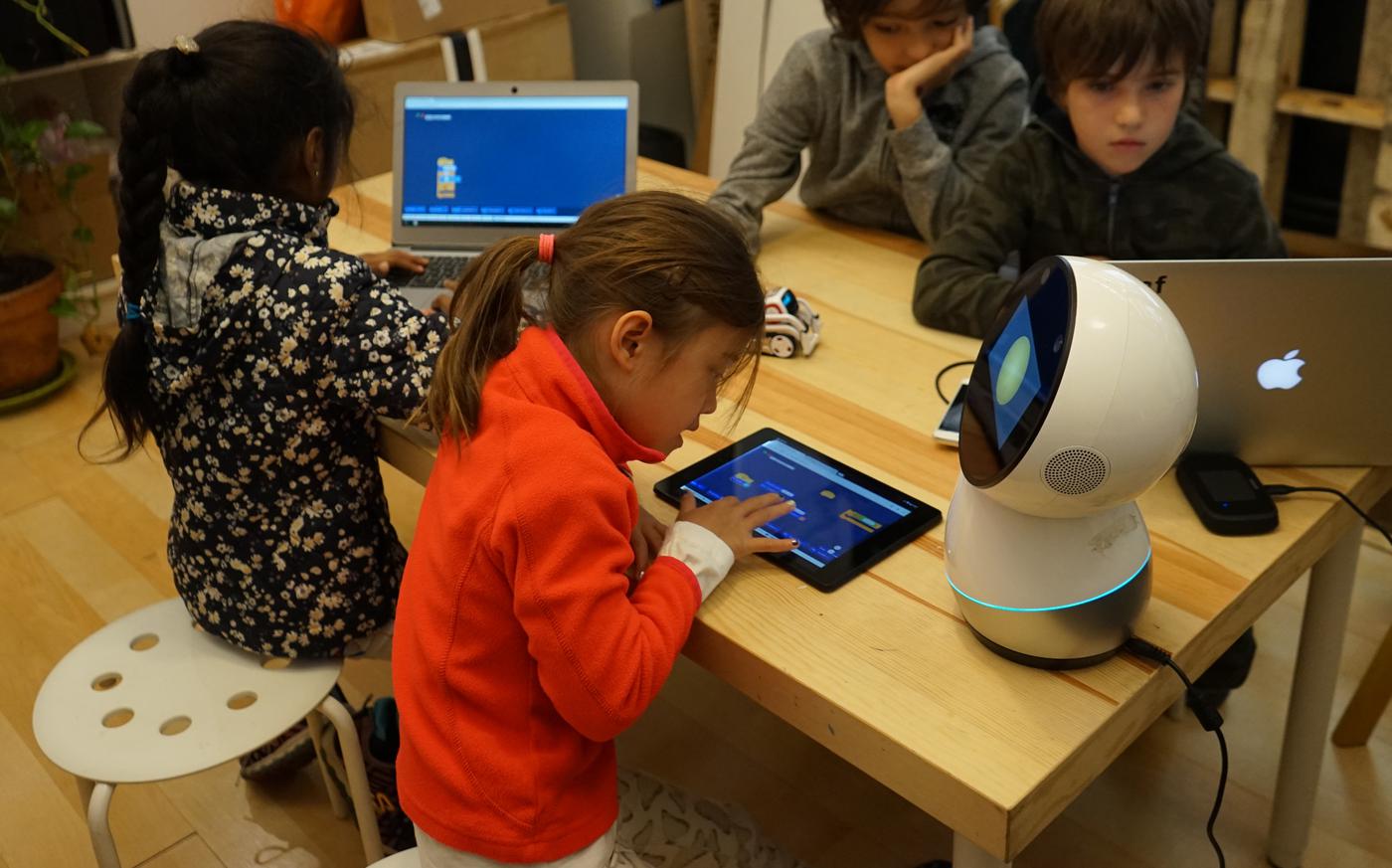
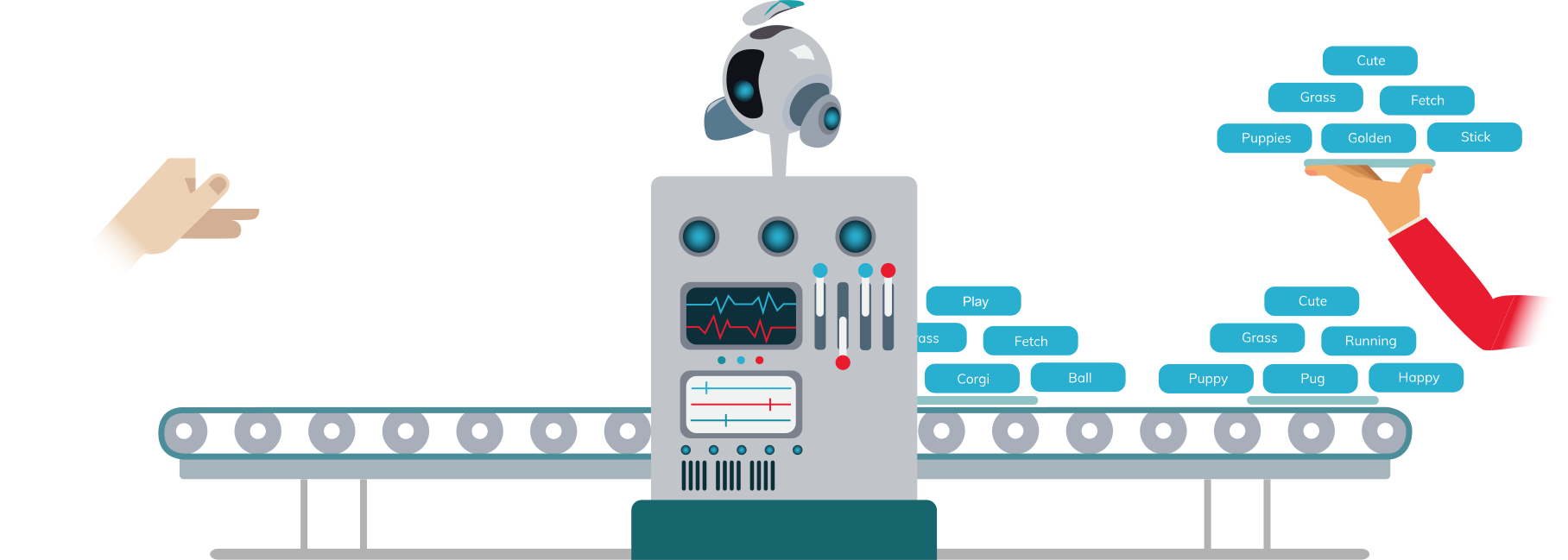
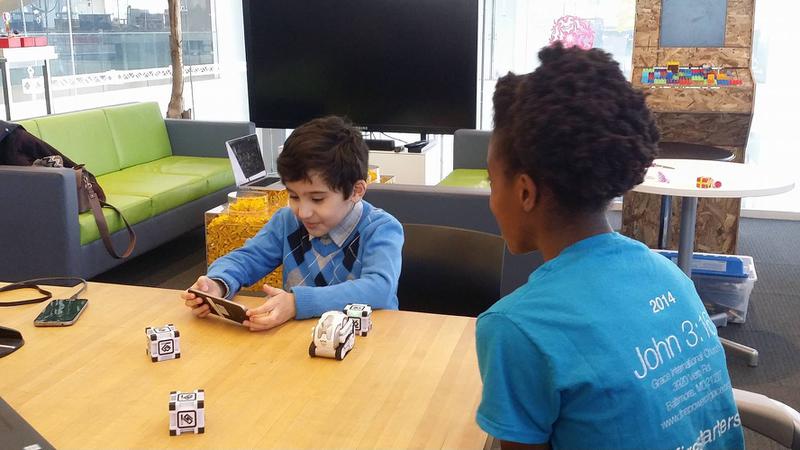
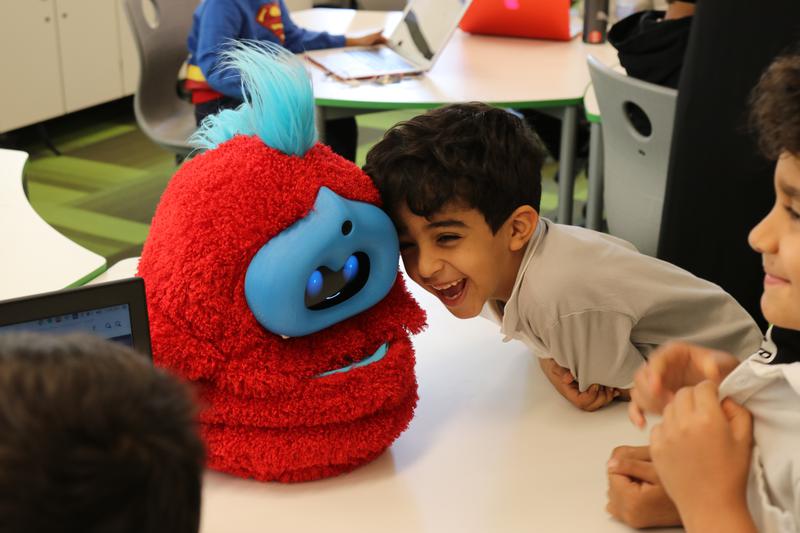
Cognimates is a Scratch-based AI literacy platform for children and families. Kids build games, program robots, train image and text models, and use embodied agents to see how AI behaves. It is designed for shared making, so parents and peers are part of the learning loop.
Cognimates (MIT-origin) stands out for developmental impact across multiple literacies. It builds agency, cognitive skills, connection. The main growth opportunity: Persistence is present, but it is not the point of the design.
Strengths & gaps
Strengths
- ● Cognimates is unusually strong for Agency and Creativity. Children do not just use AI tools. They build their own games, robots, and classifiers.
- ● It builds Curiosity and Connection at the same time. The platform is meant for family learning, and the corpus shows peers talking through how the AI works.
- ● It gives children a concrete way to question AI instead of treating it as magic. That matters for early AI literacy.
Gaps
- ○ Persistence is present, but it is not the point of the design. The corpus shows iteration, not a formal struggle scaffold.
- ○ Purpose stays fairly light. Cognimates points toward democratic, human-centered AI, but it does not go deep on values or contribution.
- ○ Self-regulation is not directly taught. Kids may practice frustration tolerance, but the product does not make that explicit.
Detailed scores
How Cognimates (MIT-origin) performs on each of the 9 literacies in our framework.
Doing
— 1 of 3 Strong
Cognimates gives children real control over the work. They choose what to build, how to train a model, and how to make the system respond. That is not a canned sequence of steps. It is a creation environment where the child is the author.
Cognimates asks children to keep iterating when projects do not work the first time. Training a model or debugging a robot is inherently iterative. But the corpus does not show a deliberate persistence design or strong evidence of calibrated productive struggle.
Cognimates moves children across games, robots, text, vision, and connected devices. That forces some shifting of approach. Still, the corpus does not show explicit metacognitive support or repeated strategy switching in varied problem types.
Thinking
— 2 of 3 Strong
Cognimates is built to demystify AI. Children can ask what a classifier learned, why a robot responds the way it does, and what changes when the data changes. The result is a lot of natural “what happens if I try this?” energy.
Cognimates is an actual making environment. Kids create games, build robots, and make their own AI artifacts. They are not just picking from templates. They are generating something new and then refining it.
Cognimates pushes children to question AI and notice that systems are not magically intelligent. That builds useful judgment habits. But the product is still mostly about AI literacy, not broader tradeoff reasoning or decision-making.
Being
— 1 of 3 Strong
Cognimates is built for shared learning. Parents and children use it together, and the corpus says peers talking through the process deepened understanding. That makes the social layer part of the product, not just a side effect.
The corpus does not show direct scaffolding for coping, emotion labeling, or attention control. Children probably need those skills to work through the projects, but the product does not explicitly teach them.
Cognimates frames children as creators, not consumers, and that gives the work a sense of direction. It also points toward more humane and democratic AI. But the product does not strongly connect effort to identity, values, or service.
Based on 9 sources
- Research media.mit.edu — growing up with ai
- Research tc.columbia.edu — aiconference
- Research media.mit.edu — will ai really transform education
- Research media.mit.edu — overview
- Research media.mit.edu — growing up with ai how can families play and learn with their new smart toys and companions
- Research media.mit.edu — kids teach ai a little humanity with cognimates
- Product businessinsider.com — google deepmind research scientist coding not dead ai education 2025
- Product feministtech.org — cognimates
- Product github.com — cognimates vm
Reviewed by New Literacies
Scored by our research-derived framework · AI-assisted analysis with editorial review · 9 sources reviewed · Our methodology →
Get the next guide before it goes live
One email when a new product review ships.
Free. No spam. Unsubscribe anytime.
See other products strong in the same literacies: