Code.org CS Discoveries
Ages 11-14 · free · Curriculum · code.org ↗
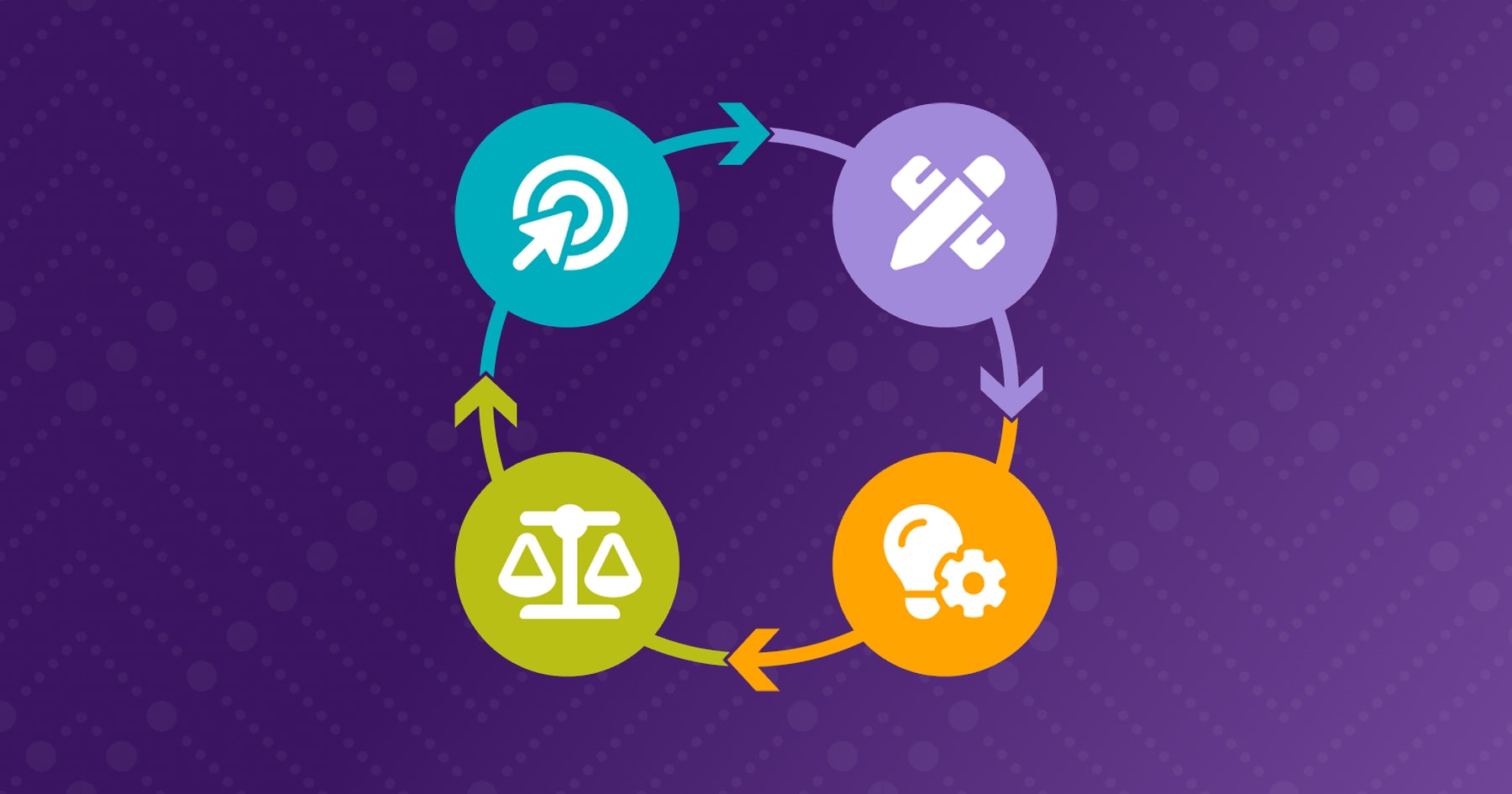
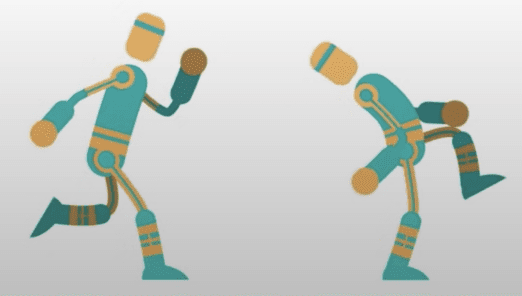

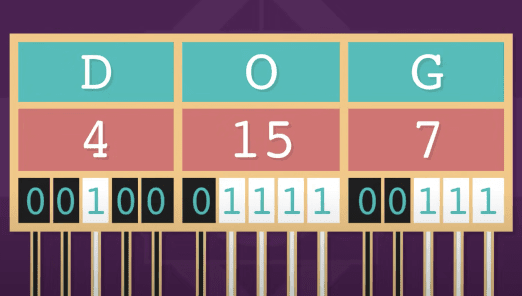
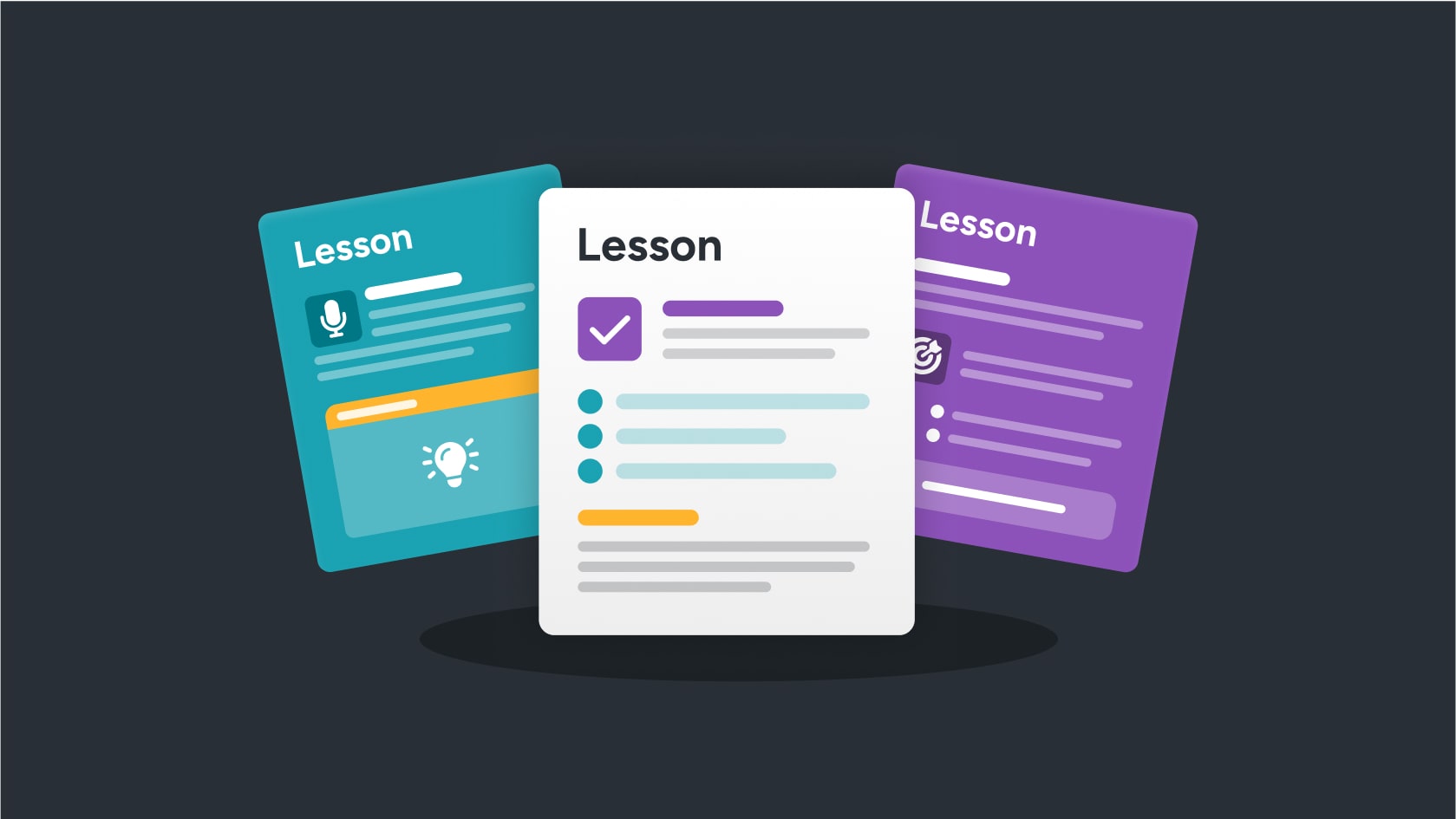
CS Discoveries is Code.org’s flexible middle-school computer-science course. Students build websites, apps, animations, games, and physical computing projects while moving through a mix of online labs, unplugged activities, and classroom discussion. It is broader and more project-heavy than a beginner tutorial sequence.
Code.org CS Discoveries stands out for developmental impact across multiple literacies. It builds hands-on skills, creativity. The main growth opportunity: agency is meaningful but still bounded by the curriculum sequence.
Strengths & gaps
Strengths
- ● CS Discoveries is strongest where broad project-based coding should be strongest: Persistence, Adaptability, and Creativity.
- ● The variety matters. Students are not trapped inside one tool or one project type.
- ● The course gives middle-school learners real making work instead of only tiny puzzle exercises.
Gaps
- ○ Agency is meaningful but still bounded by the curriculum sequence.
- ○ Connection depends partly on the teacher and the classroom implementation.
- ○ Curiosity is engaged, but more through structured breadth than through wide-open exploration.
Detailed scores
How Code.org CS Discoveries performs on each of the 9 literacies in our framework.
Doing
— 2 of 3 Strong
CS Discoveries gives students genuine room to make things that feel like theirs. They build across several media, and that matters. But the broader path still belongs to the course. The student chooses a lot inside the project without controlling the larger destination.
CS Discoveries builds persistence through real revision. Projects break, designs need work, and students have to keep debugging. The assessment structure supports that process instead of pretending first drafts are enough.
This is one of the course’s biggest strengths. Students move across websites, apps, games, data, and physical computing. That means they have to keep adjusting their strategies instead of reusing one narrow move.
Thinking
— 1 of 3 Strong
The range of topics makes CS Discoveries interesting quickly. Students get many entry points into computing. But the exploration is still largely contained by the course structure, so Curiosity lands at Moderate.
Creativity is central to the curriculum. Students build visible, expressive, shareable things in several formats. That gives the course a real creation signal, not just a problem-set signal.
Students make real design and code decisions, and they have to evaluate whether those decisions worked. That is valuable judgment practice. But it stays mostly inside the scope of classroom project work rather than widening into broader evaluative domains.
Being
— 0 of 3 Strong
CS Discoveries includes collaboration, discussion, and unplugged group work, and that gives it more social weight than a solo coding app. Still, the social layer depends partly on how a teacher runs the room, so Moderate is the safer score.
Longer-form projects create real pressure to stay organized, tolerate frustration, and keep revising. That is good self-regulation practice. The course does not explicitly teach regulation routines, though, so Moderate fits best.
Code.org does a good job framing why computer science matters, and the projects feel more authentic than isolated drills. That gives the work a meaningful purpose signal. It is just not as values- or contribution-driven as the strongest purpose-builders.
Based on 7 sources
- Review commonsense.org — codeorg
- Review commonsense.org —
- Product code.org — csd
- Product support.code.org — 115002122788 Curriculum overview CS Discoveries
- Product support.code.org — 115002656691 Assessing and checking student understanding in CS Discoveries CS Principles and CSA
- Product code.org — CSDiscoveries CurriculumGuide 2024.pdf
- Product code.org — values
Reviewed by New Literacies
Scored by our research-derived framework · AI-assisted analysis with editorial review · 7 sources reviewed · Our methodology →
Get the next guide before it goes live
One email when a new product review ships.
Free. No spam. Unsubscribe anytime.
See other products strong in the same literacies: