BrainPOP Jr. Movie of the Week
Ages 5-9 · freemium · Product · jr.brainpop.com ↗
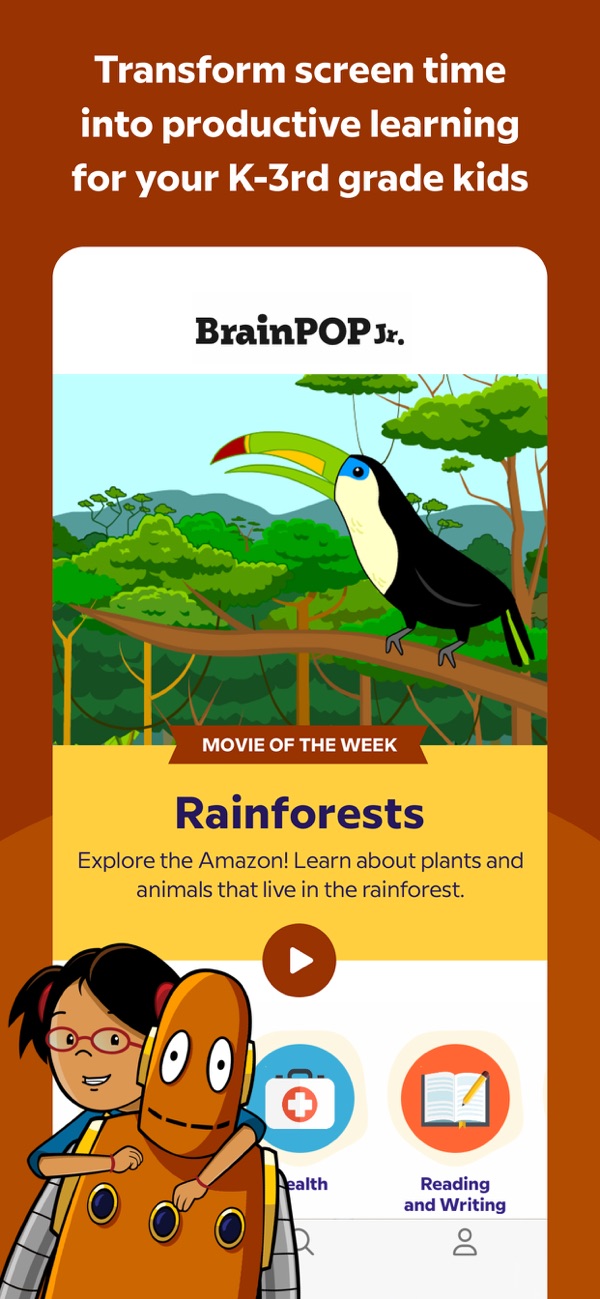
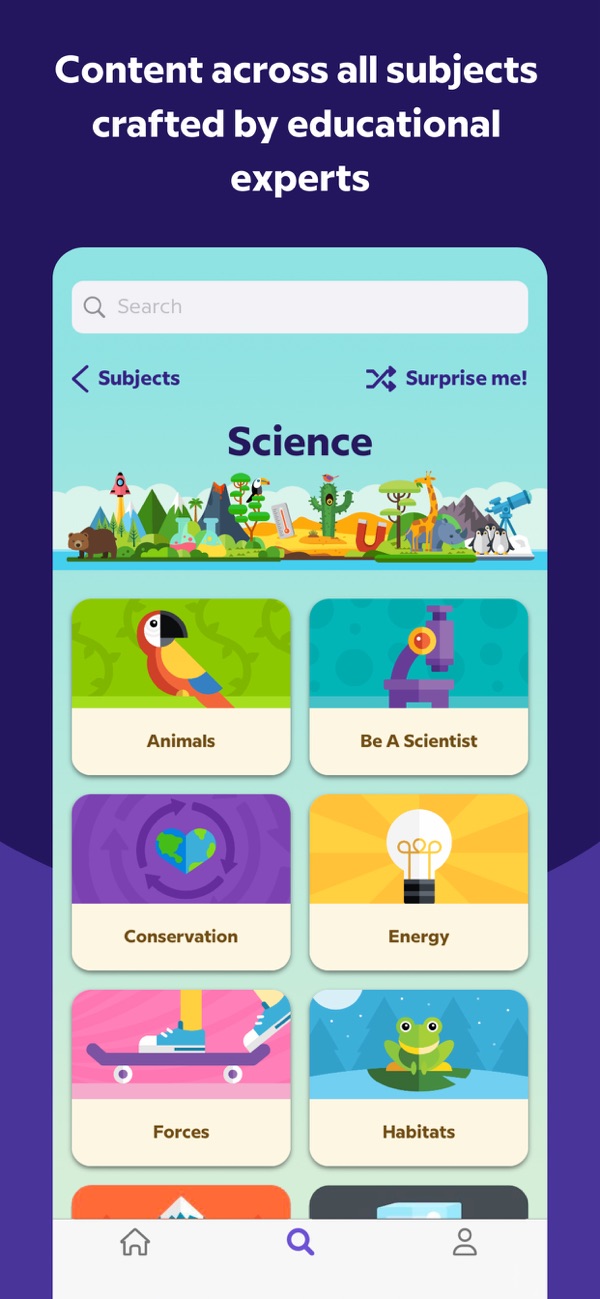
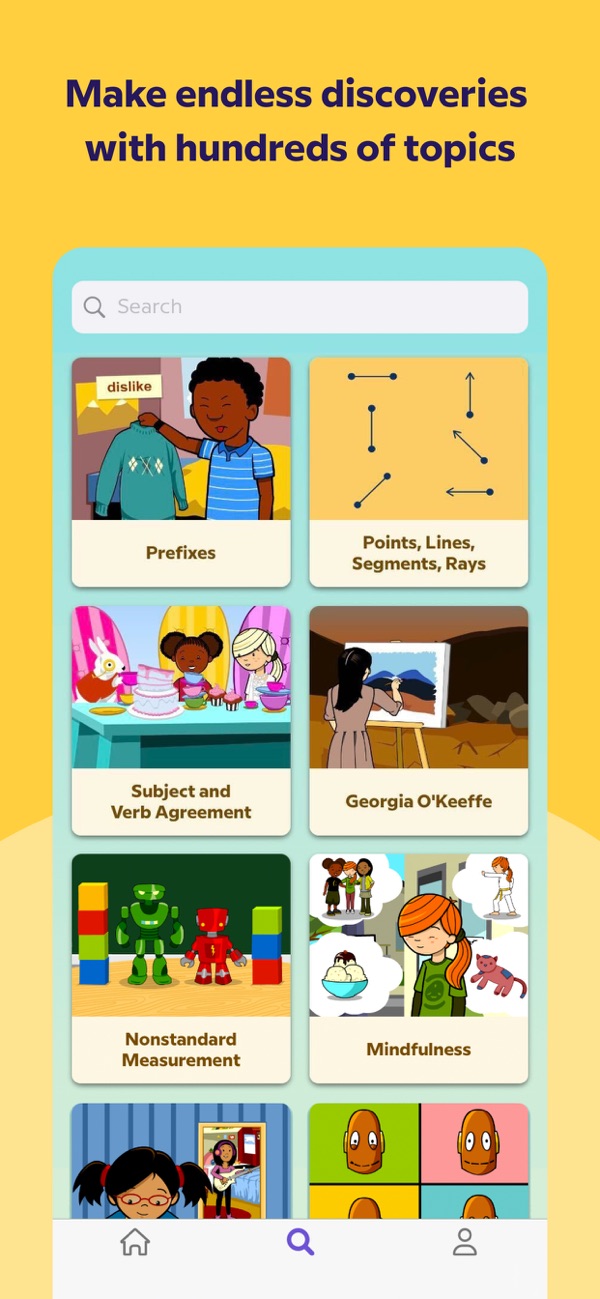
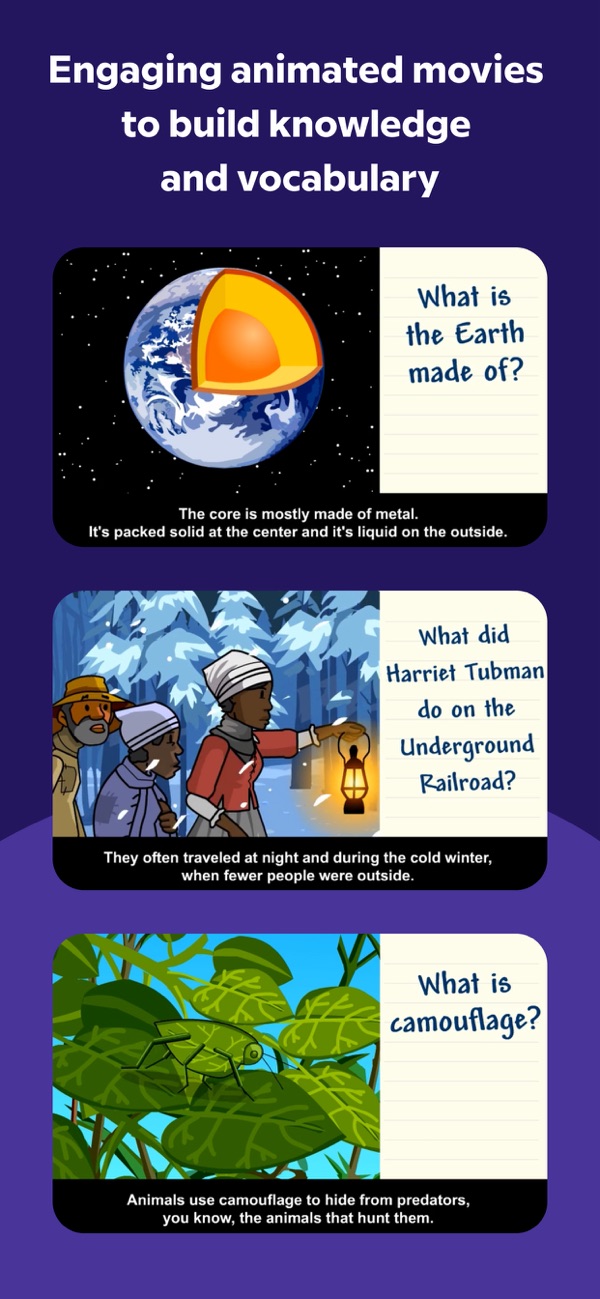
BrainPOP Jr. Movie of the Week is a short-video learning app for early elementary kids. Each week it offers an animated explainer led by Annie and Moby, plus quizzes, jokes, and links to related topics. A child mostly watches, answers a few questions, and then chooses another topic to explore.
We've reviewed BrainPOP Jr. Movie of the Week against our 9-literacy developmental framework. The main growth opportunity: the main limitation is passivity. Most of the learning happens through watching rather than doing.
Strengths & gaps
Strengths
- ● BrainPOP Jr. is broad. Kids can move from government to music to healthy eating without leaving the app.
- ● The explanations are clear and age-appropriate. Annie and Moby make complex topics feel manageable for K-3 learners.
- ● The app can spark curiosity. Related videos and wide topic coverage make it easy for a child to follow a new interest for a little while.
Gaps
- ○ The main limitation is passivity. Most of the learning happens through watching rather than doing.
- ○ Persistence is weak. The videos are short, the quizzes are brief, and the app does not create much productive struggle.
- ○ Creativity is also thin. BrainPOP Jr. may inspire off-app making or discussion, but the app itself is mostly explainers and quizzes.
Detailed scores
How BrainPOP Jr. Movie of the Week performs on each of the 9 literacies in our framework.
Doing
— 0 of 3 Strong
BrainPOP Jr. gives children some control over what they watch next. They can choose topics, follow related videos, and revisit favorites. But once the child presses play, the experience is mostly locked. Agency lives in content selection, not authorship.
BrainPOP Jr. is easy to stay with because it is short and friendly. But that is not the same thing as building persistence. The child is not asked to work through hard problems or recover from meaningful setbacks. The quizzes are quick checks, not real struggle.
The app does expose children to many different kinds of topics. That broadens their experience and asks them to shift from one domain to another. But the activity structure barely changes. Watching and taking short quizzes is still the main routine.
Thinking
— 0 of 3 Strong
BrainPOP Jr. can absolutely get a child interested in something new. Common Sense notes that related videos can help kids discover a new interest, and the topic range is genuinely wide. But the app usually stops at explanation. A parent or teacher often has to carry the curiosity forward.
BrainPOP Jr. is not a creation tool. It gives children explanations, jokes, and quizzes. That can feed creativity later, but inside the app the child is mostly taking in prepared content. There is little room to make something of their own.
The app does build some early judgment foundations. Children listen for key ideas, sort out vocabulary, and answer questions about what they learned. For a young child, that is real practice. But it remains light because the quiz layer is brief and mostly checks recall.
Being
— 0 of 3 Strong
BrainPOP Jr. is a solo experience. Annie and Moby are strong guides, but the child is not practicing collaboration or communication with another person through the app. Connection only grows if an adult adds discussion around it.
BrainPOP Jr. gets some credit for tone. It is simpler and calmer than many kids' apps, and the short quiz flow can support basic follow-through. But it does not really train self-regulation. It supports a few minutes of focus more than it builds a durable skill.
BrainPOP Jr. teaches lots of useful topics, but it does not connect them to identity, values, or contribution beyond the child. Purpose is outside the product's main design.
Based on 5 sources
Reviewed by New Literacies
Scored by our research-derived framework · AI-assisted analysis with editorial review · 5 sources reviewed · Our methodology →
Get the next guide before it goes live
One email when a new product review ships.
Free. No spam. Unsubscribe anytime.