
Brainly
Ages 6-12 · freemium · AI Product · brainly.com ↗
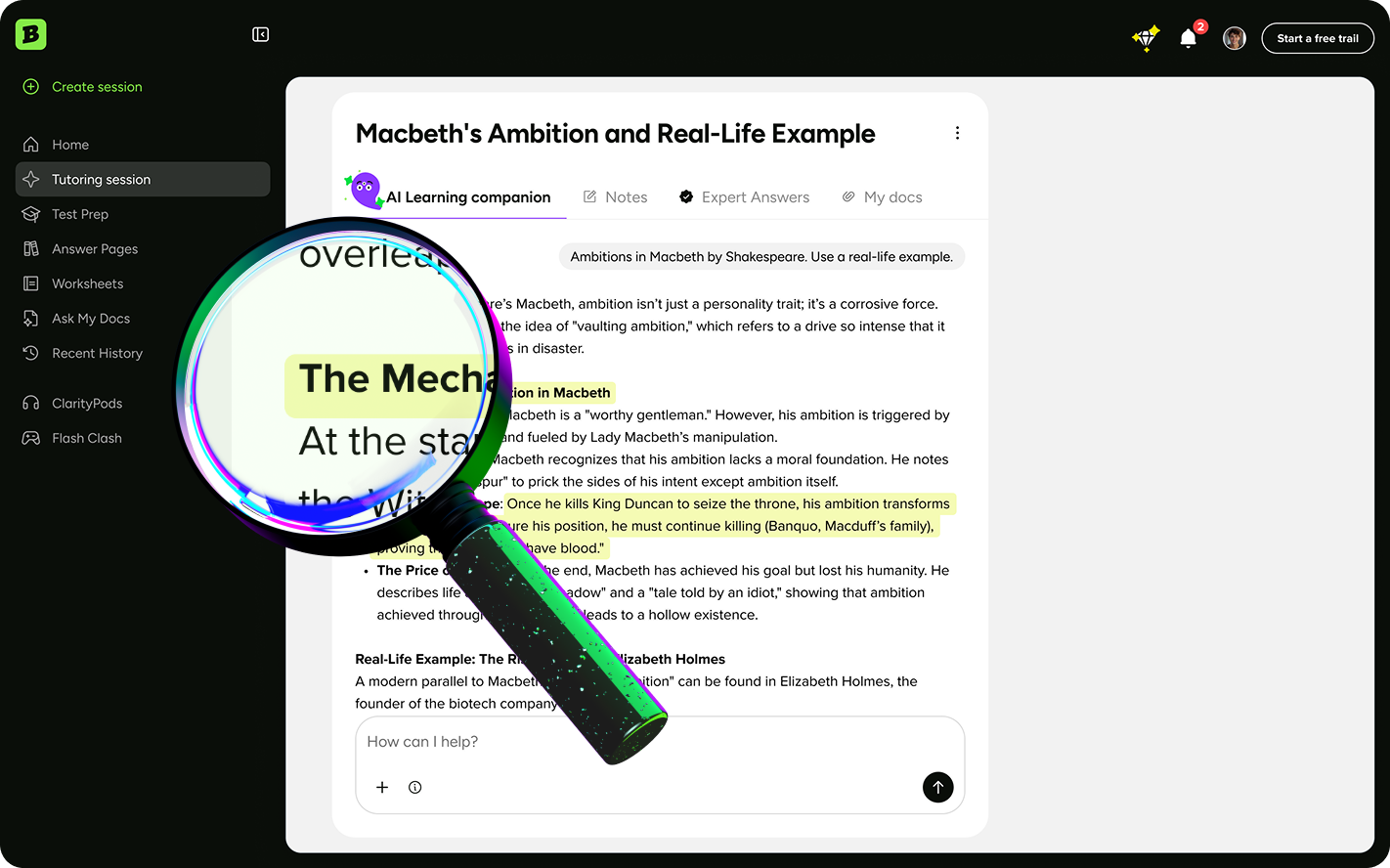
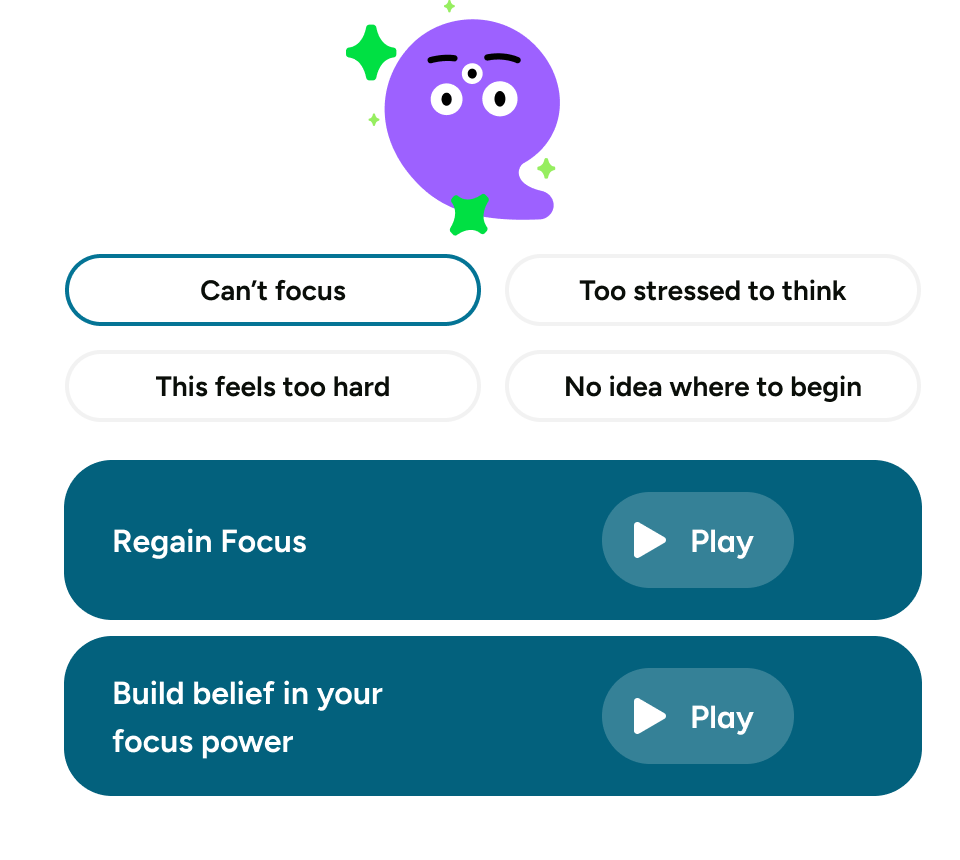
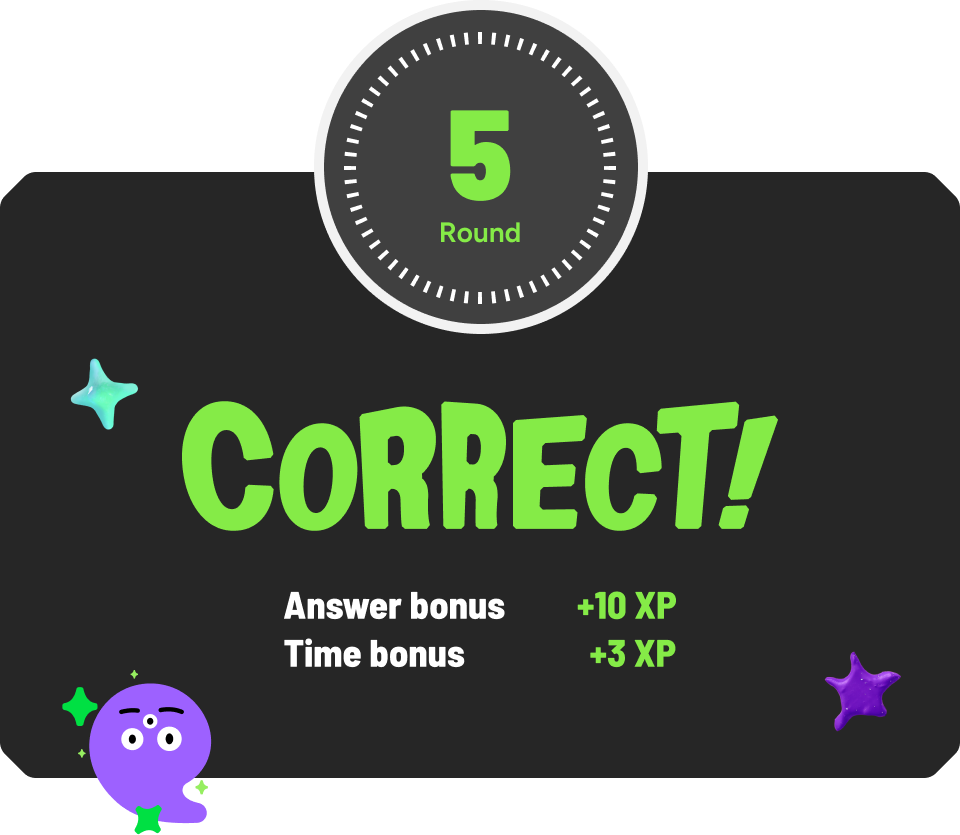
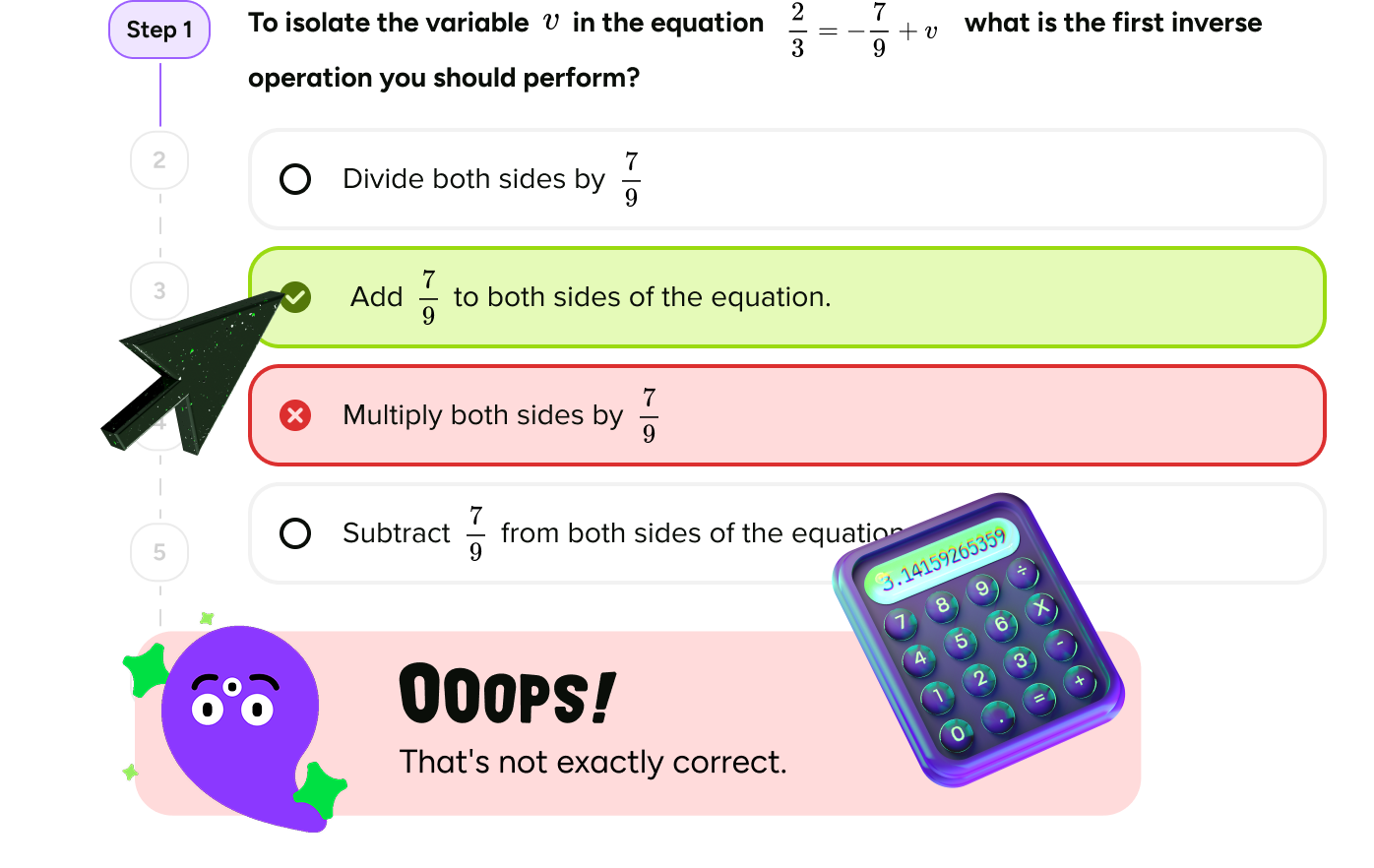
Brainly is a homework-help platform where students ask questions by text, photo, or voice and get answers from AI, experts, or other users. The app is built around scan-to-solve, step-by-step explanations, parent-linked accounts, and a layer of study tools like Smart Notes, badges, games, and mindfulness resets. It is made for getting unstuck on schoolwork, not for open-ended creation.
We've reviewed Brainly against our 9-literacy developmental framework. The main growth opportunity: brainly can make homework easier without making the child more persistent. The fastest path is still to get the answer.
Strengths & gaps
Strengths
- ● Brainly is strongest as a stuck-point tool. Kids can ask a question, get a step-by-step explanation, and keep moving.
- ● The platform has a real community layer. Answering other students and earning badges gives it a study-group feel.
- ● It adds some light regulation support. Mindfulness resets and parent-linked accounts make it easier to use with an adult in the loop.
Gaps
- ○ Brainly can make homework easier without making the child more persistent. The fastest path is still to get the answer.
- ○ Creativity is basically outside the product. It does not ask kids to invent, build, or revise something of their own.
- ○ Purpose is thin. The platform supports school success, but not identity or contribution beyond the immediate task.
Detailed scores
How Brainly performs on each of the 9 literacies in our framework.
Doing
— 0 of 3 Strong
Brainly gives kids real choice in how they ask for help. They can type, scan, or speak, and they can use AI, community, or tutor support. But the agenda is still homework-first, so the child is choosing within Brainly’s frame rather than setting the frame themselves.
Brainly helps a child keep going when a problem has already stalled. That matters, and reviews describe kids finishing work they were stuck on. Even so, the product usually softens the struggle instead of asking the child to sit with it.
Brainly is flexible at the input level. A student can approach the same question by photo, text, or voice, and the explanations are adjusted to age and grade. That flexibility is useful, but it stays inside one narrow loop: get homework help.
Thinking
— 0 of 3 Strong
Brainly starts with a question, which is good for curiosity. The official site even frames the product as a way to go deeper into topics. The problem is that the answer often arrives too quickly for the gap to stay open.
Brainly is not a creation environment. The child is solving a prescribed problem, not generating an original idea or artifact. Smart Notes and games add variation, but they do not change the core use case.
Brainly asks kids to sort through different kinds of support: AI, experts, and peers. That can help them judge which explanation is clear and which answer is usable. But the platform does most of the judging for them, so the capacity stays bounded.
Being
— 0 of 3 Strong
Brainly has an actual peer layer. Children can ask questions, answer other students, and collect points or badges for participation. It feels social, but it is more of a distributed help network than a deep relationship space.
Brainly does include explicit refocus tools. The homepage says it offers mindfulness activities, which is more than many homework tools do. Still, the primary habit it reinforces is fast relief, not sustained regulation practice.
Brainly is about getting through schoolwork, not connecting effort to identity or values. It does allow a child to help other users, but that is not enough to make Purpose a clear part of the product. On the evidence here, Purpose is outside scope.
Based on 9 sources
- Product brainly.com
- Product brainly.com — terms_of_use
- Product brainly.com — privacy_policy
- Product brainly.com — our policies
- Product brainly.com — brainly introduces math solver providing access to 24 7 math help
- Product apps.apple.com — id
- Product play.google.com — details
- Product trustpilot.com — brainly.com
- Product smartcustomer.com — brainly.com
Reviewed by New Literacies
Scored by our research-derived framework · AI-assisted analysis with editorial review · 9 sources reviewed · Our methodology →
Get the next guide before it goes live
One email when a new product review ships.
Free. No spam. Unsubscribe anytime.