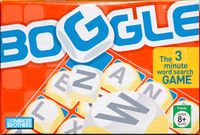
Boggle
Ages 8-14 · paid · Product · hasbro.com ↗
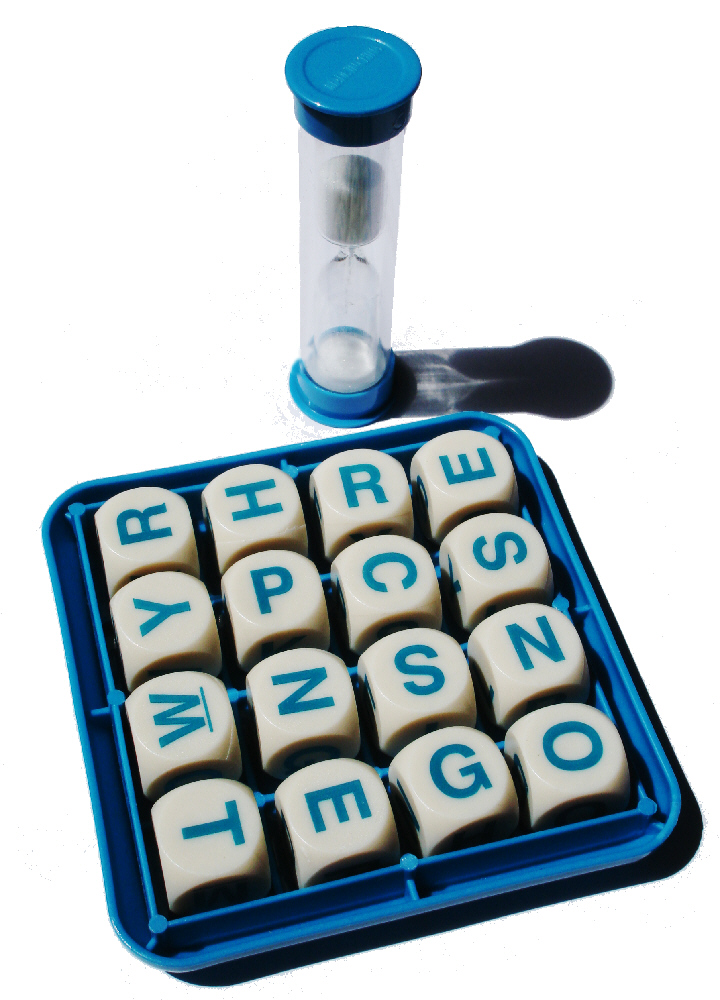
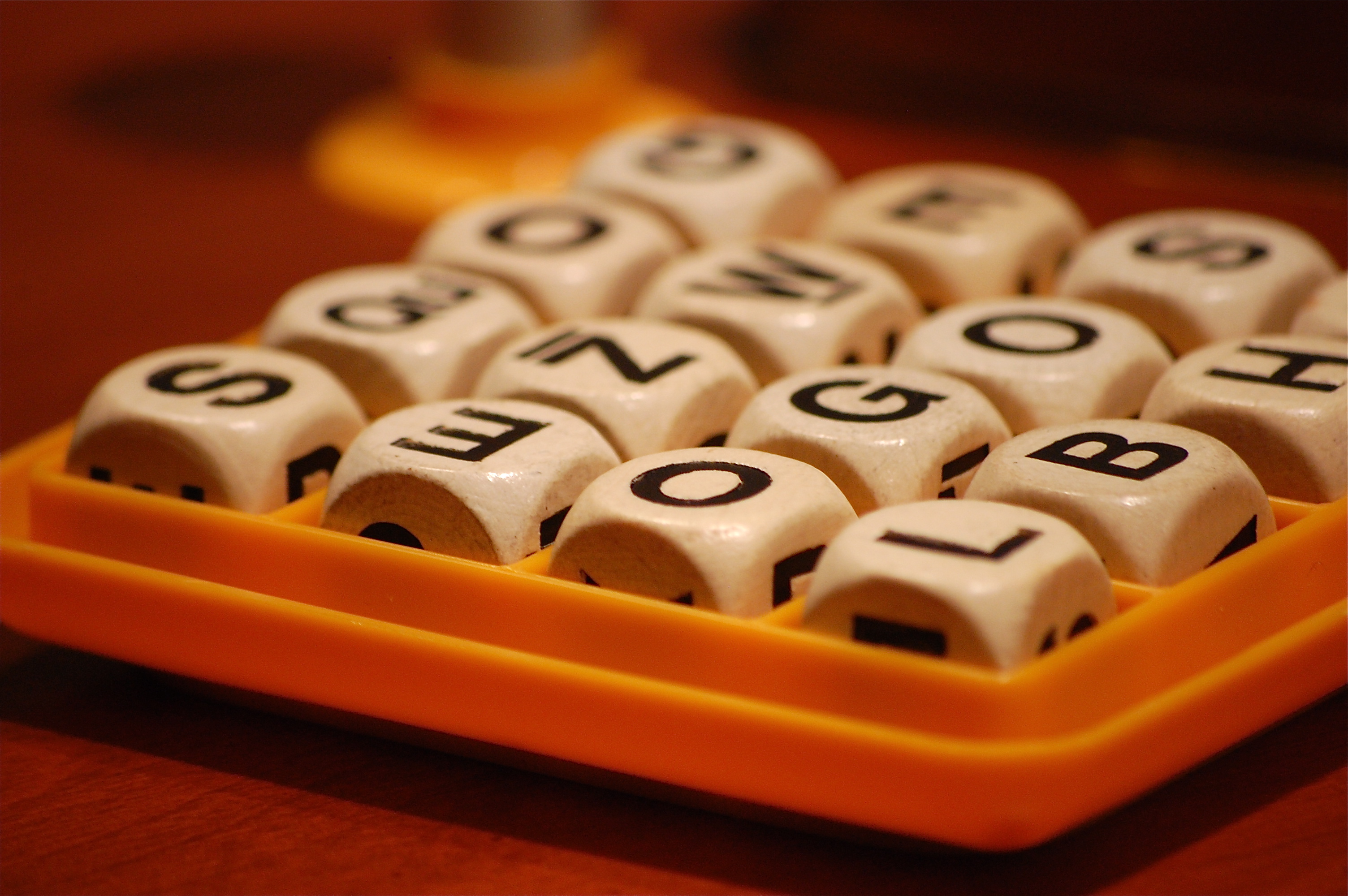
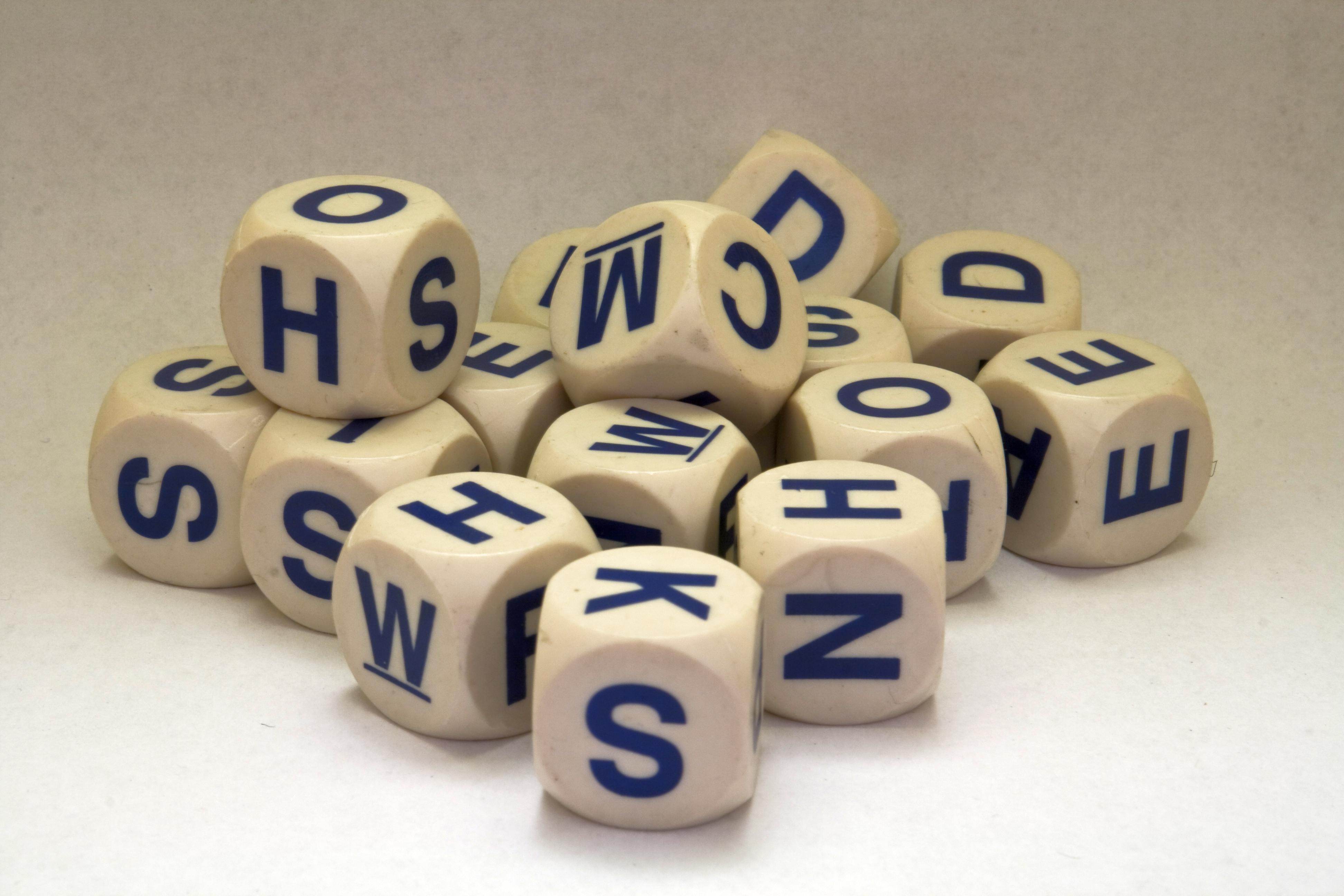
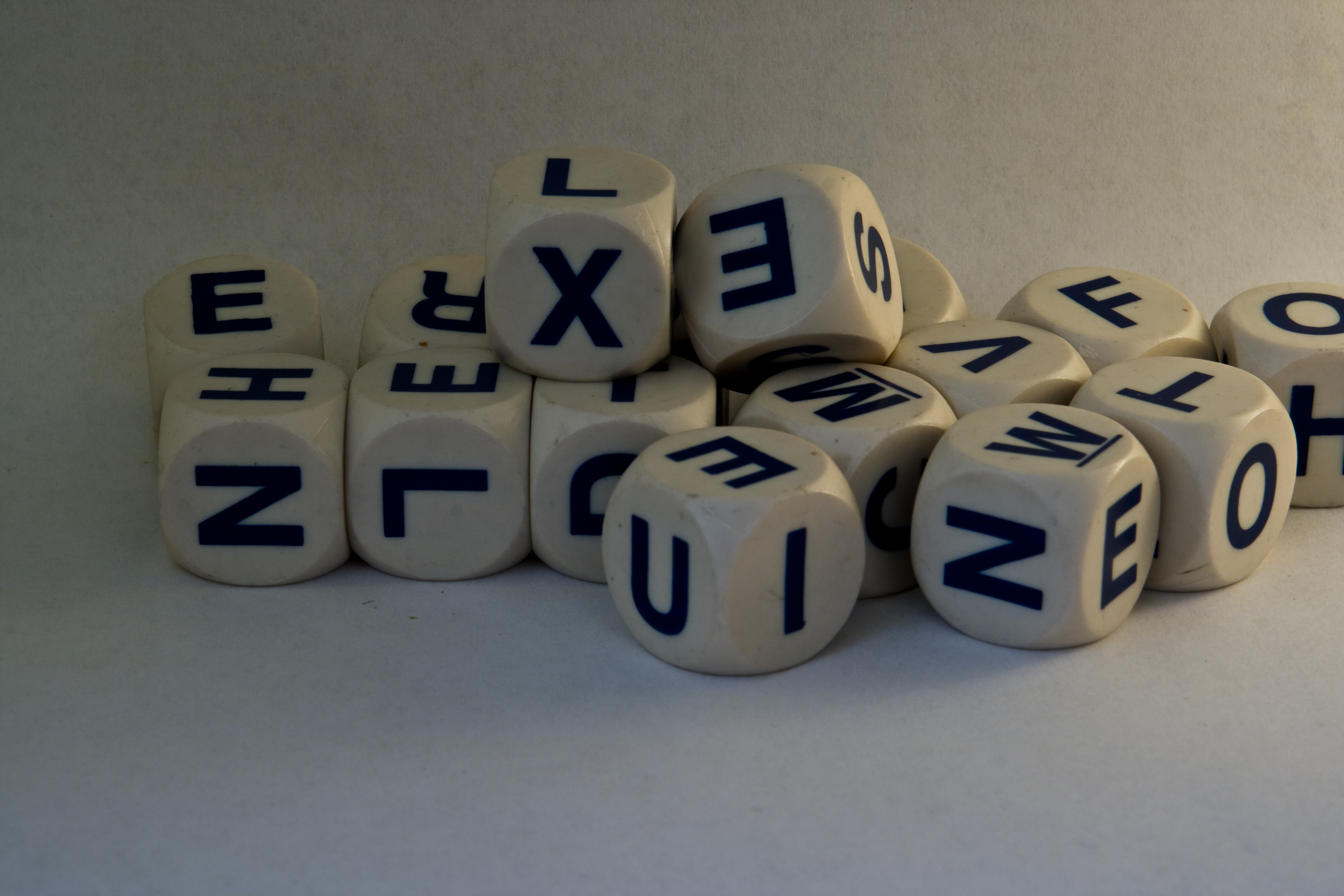
Boggle is a fast word-search game built around a shaken 4x4 grid of letter cubes. Kids get three minutes to find as many connected words as they can, then compare lists and lose points for any words other players found too. The best words are not just valid. They are the ones other people missed.
We've reviewed Boggle against our 9-literacy developmental framework. The main growth opportunity: boggle does not build standout capacities deeply enough to earn a Best For signal. Its challenge is real, but narrow.
Strengths & gaps
Strengths
- ● Boggle gives kids a clean dose of mental effort. They have to search, decide fast, and keep moving when they get stuck.
- ● The uniqueness rule matters. Because duplicate words disappear, kids learn that obvious answers are not always the best answers.
- ● It works as a low-friction family word game. The compare phase creates useful talk about spelling, vocabulary, and missed patterns.
Gaps
- ○ Boggle does not build standout capacities deeply enough to earn a Best For signal. Its challenge is real, but narrow.
- ○ Creativity is mostly absent. Kids are locating existing words, not generating new ideas or artifacts.
- ○ Connection is limited by the structure. Most of the round is silent parallel searching.
Detailed scores
How Boggle performs on each of the 9 literacies in our framework.
Doing
— 0 of 3 Strong
Boggle gives kids control over where to look and what to pursue. They can hunt short words, scan for rare patterns, or chase longer risks. But the game controls the letters, the pace, and the scoring. Agency is present in the search, not in the overall experience.
The timer pushes kids to stay engaged even when the grid is not giving much back. That creates a small but real effort loop. Still, the struggle is short and resets quickly. Boggle trains brief concentration more than sustained persistence.
Every shaken board is different. Kids have to abandon dead ends, notice new letter clusters, and adjust search strategy on the fly. But the kind of adaptation never changes much. It is one narrow cognitive pattern repeated across rounds.
Thinking
— 0 of 3 Strong
Boggle can produce that satisfying "I know there is more hiding in here" feeling. Random letter layouts create discovery, and the post-round reveal often shows kids words they did not notice. But the curiosity does not open into bigger questions or deeper exploration. It stays inside the puzzle.
Boggle is not a creativity game. The child is finding words that already exist in the grid, not inventing new combinations, clues, or stories. There is some style in how a child searches, but not enough open-ended creation to score.
Boggle asks kids to make fast tradeoffs. Should they grab the obvious three-letter word or spend more time chasing a rarer longer one that might survive the duplicate rule? That is real prioritization under pressure. It is useful judgment practice, even if the domain is narrow.
Being
— 0 of 3 Strong
The round itself is mostly solitary. But once lists are compared, Boggle becomes more social. Kids notice what others saw, argue over validity, and sometimes learn new words or patterns from each other. That creates shared language moments, even if connection is not the main engine.
The game creates enough pressure to matter. Kids have to tolerate the timer, accept that someone else saw the same word, and keep going after blank moments. But Boggle does not directly teach coping skills or emotional awareness. It offers practice without much scaffolding.
Boggle is a classic word challenge. It does not connect performance to identity, contribution, service, or values beyond winning the game. Purpose is outside scope.
Based on 5 sources
- Product instructions.hasbro.com — boggle
- Product instructions.hasbro.com — boggle game
- Product screenwiseapp.com — boggle boardgame
- Product boardgamegeek.com — boggle
- Product boardgamegeek.com — thing%3A
Reviewed by New Literacies
Scored by our research-derived framework · AI-assisted analysis with editorial review · 5 sources reviewed · Our methodology →
Get the next guide before it goes live
One email when a new product review ships.
Free. No spam. Unsubscribe anytime.