
Bloxels
Ages 8-14 · freemium · Product · bloxels.com ↗
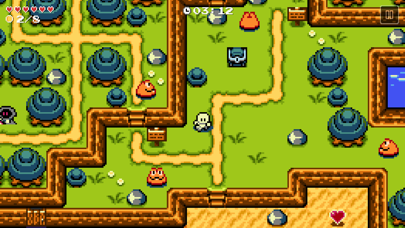
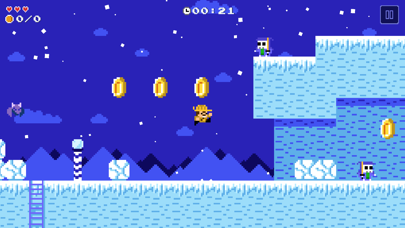
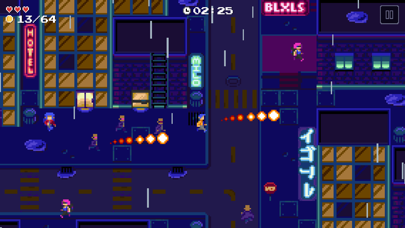
Bloxels is a game-building platform for kids. Children make pixel art characters, draw worlds, configure hazards and powerups, add story blocks, and turn all of that into a playable platformer or top-down game. They can build fully in the app or web builder, or use the optional physical board and blocks to capture designs into the software. This is not a coding curriculum in the usual sense. It is a game-design tool where the child keeps shaping mechanics, visuals, and flow until the game works.
Bloxels has focused developmental strength worth knowing about. It builds agency, creativity. The main growth opportunity: Persistence is real but uneven.
Full review
The NL Score measures developmental capacity-building, not product quality.
Strengths & gaps
Strengths
- ● Bloxels is strongest for Agency and Creativity. Kids are making the actual game, not just choosing cosmetic options.
- ● The builder is deep enough to support revision. Children can keep changing art, mechanics, and level flow as their ideas evolve.
- ● The optional physical board lowers the barrier for some kids. It gives them a hands-on way into digital creation.
Gaps
- ○ Persistence is real but uneven. Some of the friction comes from the design task, and some comes from setup or tool complexity.
- ○ Connection matters less than creation. The audience is there, but rich collaboration is not the main story in the family-facing product.
- ○ Judgment stays inside game design. Bloxels is not trying to build broader reasoning about evidence, ethics, or real-world tradeoffs.
Detailed scores
How Bloxels performs on each of the 9 literacies in our framework.
Doing
— 1 of 3 Strong
Bloxels gives children control over the main decisions that make a game feel like theirs. They choose the map, characters, hazards, story moments, and visual style. The product is built around child authorship, which puts Agency squarely in Strong.
Making a good game in Bloxels takes work. Reviews describe kids sticking with the builder over time, and the tool naturally pushes testing and revision. But Common Sense also notes that scaffolding matters, and other reviewers mention technical snags. That keeps Persistence at Moderate.
Bloxels asks kids to change course when a level does not play well or a character ability needs rethinking. They can move between platformer and top-down formats and revise mechanics as they go. That is meaningful flexibility. But it still happens inside one medium, so Moderate is the right ceiling.
Thinking
— 1 of 3 Strong
The arcade and other creators' games give kids many ways to explore. They can see what other creators built, borrow ideas, and test how different mechanics behave. That supports experimentation. But the product is still more about making than about open-ended inquiry.
Creativity is the clearest strength with Agency. Children invent pixel art, characters, worlds, and playable systems, then keep refining those ideas until they become a game. This is original creation with real freedom inside useful constraints.
Bloxels requires design judgment. Kids have to decide what is fair, what is confusing, what a player should do next, and how dialogue or rewards should shape the experience. Those are real calls. But they are mostly local design decisions rather than broader judgment work.
Being
— 0 of 3 Strong
Publishing to the arcade means the work has an audience. Kids can see popular games, share their own, and think about how other players will respond. That gives the tool a social dimension. But it is still not primarily a collaborative environment for this scored scope.
Long builds ask for patience, sequencing, and the ability to keep adjusting instead of quitting. Bloxels gives children chances to practice those habits. It does not explicitly teach coping or reflection, though. The regulation is embedded, not coached.
Bloxels gives the child a visible goal: make something another person can play. That is enough to push the work past private experimentation. But the sense of purpose stays mostly at the level of audience and expression. It does not go much deeper than that.
Based on 8 sources
- Review commonsense.org — bloxels edu
- Product bloxels.com
- Product bloxels.com — downloads
- Product bloxels.com — subscriptions
- Product bloxels.com — bloxels edu faq
- Product apps.apple.com — id
- Product techagekids.com — bloxels review make your own game.html
- Product teachkidsengineering.com — create video game bloxels review
Reviewed by New Literacies
Scored by our research-derived framework · AI-assisted analysis with editorial review · 8 sources reviewed · Our methodology →
Get the next guide before it goes live
One email when a new product review ships.
Free. No spam. Unsubscribe anytime.
See other products strong in the same literacies: