
BeMe.ai
All ages · paid · AI Product · beme.ai ↗

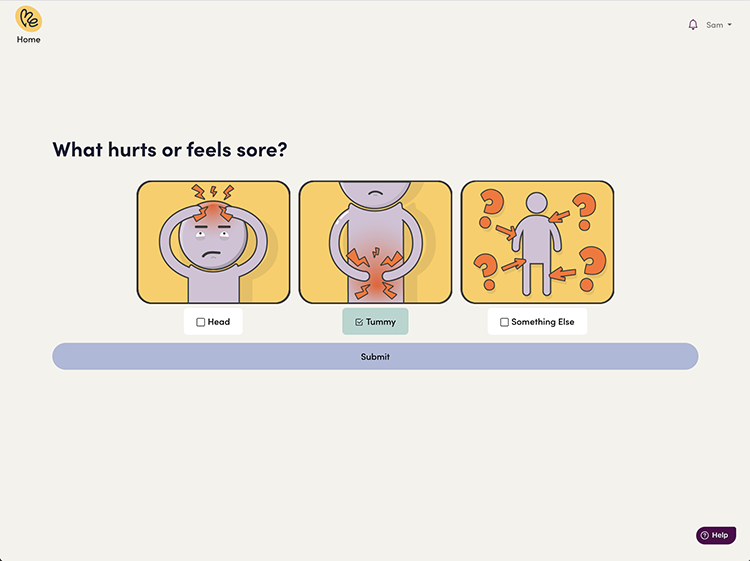
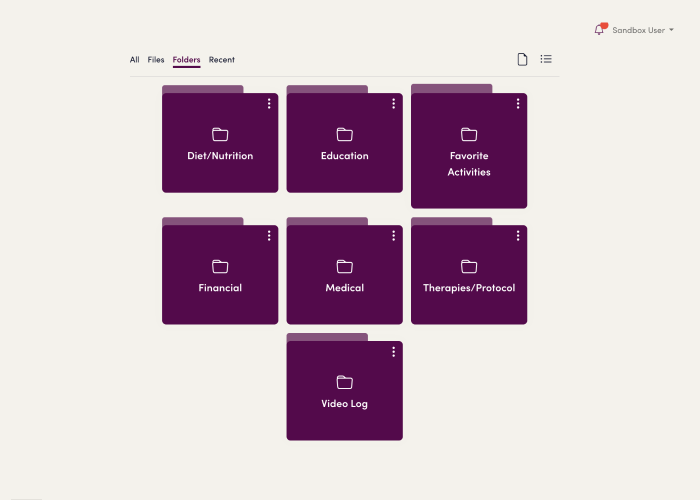

BeMe.ai is a care-coordination and tracking platform for autistic children and their families. Parents and other caregivers log sleep, behavior, food, symptoms, communication, and daily events, then use the app's reports and insights to spot patterns and coordinate support. Some child-facing features exist, including simple emotion check-ins.
We've reviewed BeMe.ai against our 9-literacy developmental framework. The main growth opportunity: most of the developmental work is indirect. Adults do the logging, analysis, and decision-making.
Strengths & gaps
Strengths
- ● BeMe.ai is most useful as a coordination tool. It helps families and professionals look at the same patterns instead of arguing from memory.
- ● The child-facing emotion check-in gives some direct communication value. For some families, that may make feelings easier to name and share.
Gaps
- ○ Most of the developmental work is indirect. Adults do the logging, analysis, and decision-making.
- ○ BeMe.ai is not a broad child experience. It does not build curiosity, creativity, or purpose in a direct way.
- ○ The evidence base is thin. Most of what is publicly available comes from BeMe's own site and testimonials.
Detailed scores
How BeMe.ai performs on each of the 9 literacies in our framework.
Doing
— 0 of 3 Strong
BeMe.ai gives the child a small but real role through child-friendly mood and emotion logging. But the product is mostly designed for adults who track, organize, and interpret what is happening. The child participates inside a framework that others control.
BeMe.ai is built for repeated use over time. Families log the same domains again and again so patterns become visible. That can support follow-through, but the persistence work is shared with adults rather than demanded directly from the child.
The main developmental value here is pattern-based adjustment. Families can notice that sleep, food, routines, or therapy conditions change behavior, then try something different. That is useful, but it is mostly caregiver adaptability rather than child meta-learning.
Thinking
— 0 of 3 Strong
BeMe.ai does not create a child-led question loop. It is there to collect and organize information, not to open up a world to explore.
Creativity is outside the scope. BeMe.ai is a support platform, not a creative tool.
BeMe.ai may improve judgment because it gives caregivers and clinicians more evidence to work from. They can compare patterns instead of relying only on memory. The child is usually not the one making those judgments, so Moderate is the right ceiling.
Being
— 0 of 3 Strong
Connection is one of the clearer benefits. BeMe.ai is explicitly designed to align parents, therapists, teachers, and other caregivers around the same child. That can reduce confusion and help the child feel better understood.
The child emotion-tracker feature can help some children identify how they feel. Families can also use the logs to spot triggers and routines that make regulation harder. But the product does not directly teach coping skills, so it stays Moderate.
BeMe.ai is about support and coordination. It does not appear to connect the child's effort to identity, values, or contribution.
Based on 3 sources
- Product beme.ai
- Product beme.ai — for clinics
- Product ausm.org — beme ai
Reviewed by New Literacies
Scored by our research-derived framework · AI-assisted analysis with editorial review · 3 sources reviewed · Our methodology →
Get the next guide before it goes live
One email when a new product review ships.
Free. No spam. Unsubscribe anytime.