
Bark
Ages 2-18 · paid · AI Product · bark.us ↗
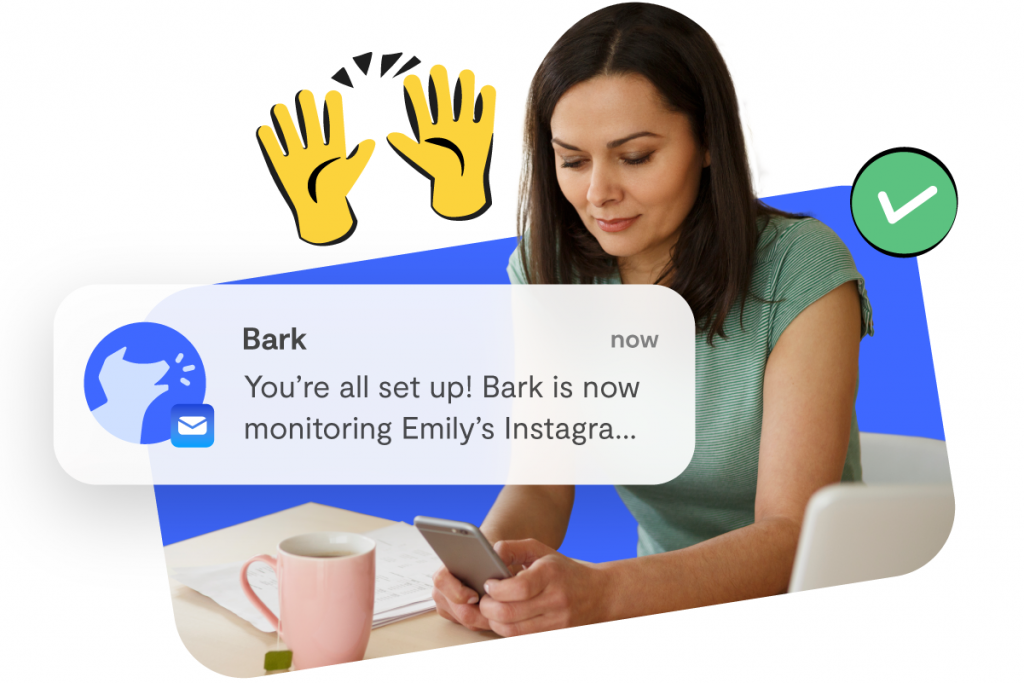
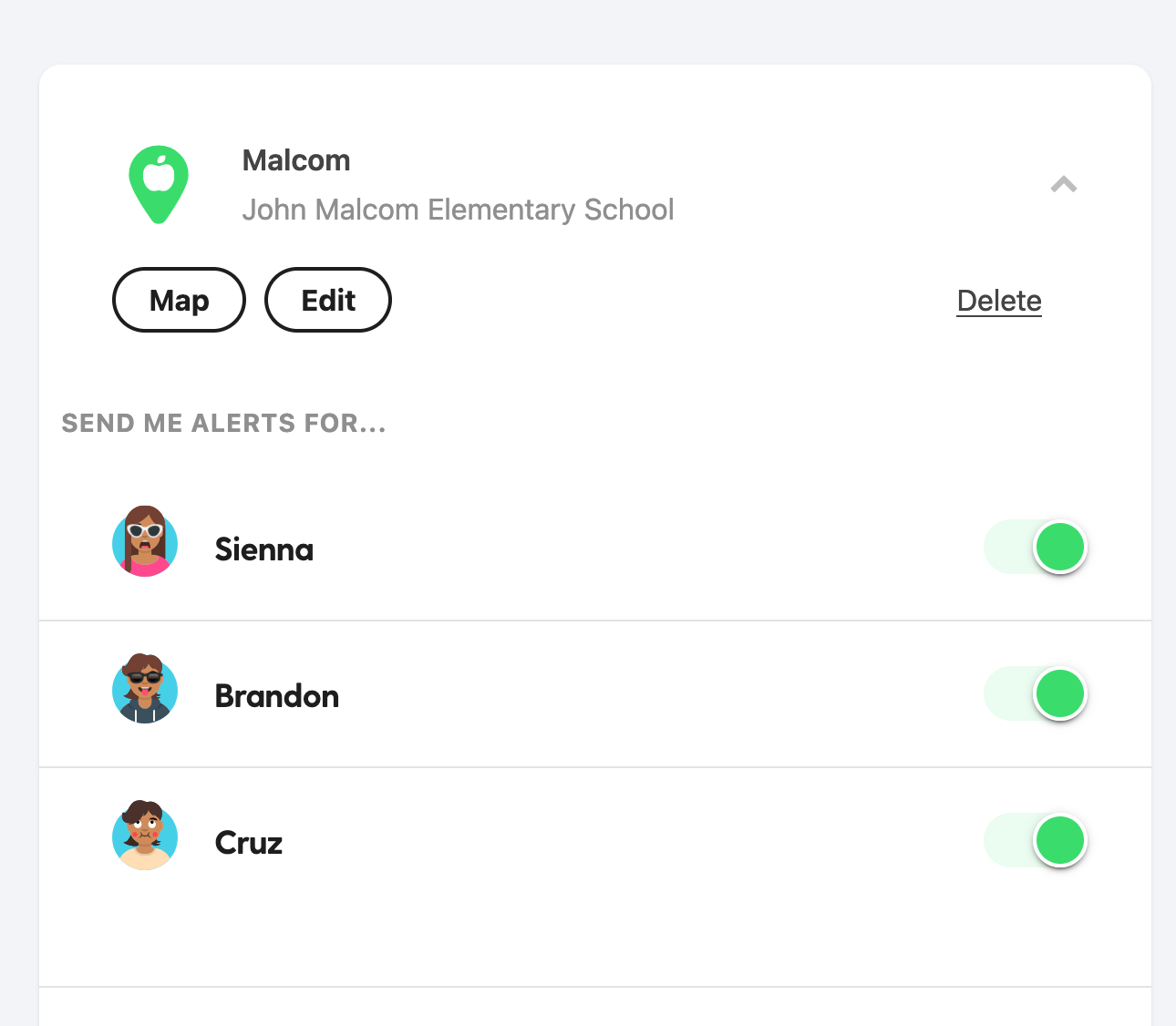

Bark is a parent dashboard that scans a child's texts, photos, videos, social accounts, and web activity for signals like bullying, predators, self-harm, and sexual content. Parents get alerts, snippets, location notifications, screen-time controls, and filtering rules. In practice, Bark is less a child product than a layer of adult oversight wrapped around the child's devices.
We've reviewed Bark against our 9-literacy developmental framework. The main growth opportunity: Bark does little to build internal judgment or self-regulation.
Strengths & gaps
Strengths
- ● Bark can help adults notice real digital risk faster. That matters for safety, even if it doesn't translate into child capacity-building.
- ● Bark is less totalizing than some monitoring products. Its own positioning is that parents get alerts about concerning activity, not a transcript of everything.
Gaps
- ○ Bark does little to build internal judgment or self-regulation. It outsources detection and boundary-setting to the model and the parent.
- ○ Bark narrows agency. The child is being watched, filtered, and time-limited rather than learning how to manage those choices themselves.
- ○ Trust is the hardest tradeoff. Some families may use Bark as a prompt for healthy conversation, but the same surveillance can reduce honesty and experimentation.
Detailed scores
How Bark performs on each of the 9 literacies in our framework.
Doing
— 0 of 3 Strong
Bark puts consequential control in adult hands. Parents decide the rules, Bark enforces them, and the child works inside those boundaries. That's useful for supervision, but it doesn't build much ownership or authorship.
Bark isn't a challenge environment. The child isn't asked to work through difficulty, tolerate frustration, or return to a demanding task inside the product. It's a monitoring layer around other activities.
Bark doesn't ask the child to reflect, switch strategies, or test approaches. Classification and response happen outside the child's own learning loop. That leaves Adaptability outside scope.
Thinking
— 0 of 3 Strong
Bark is built to restrict and flag. Filters and adult alerts can reduce access to questions, searches, and side paths the system treats as risky. That may be defensible as a family boundary, but it doesn't create conditions for expansive curiosity.
Bark offers no blank page, toolset, or revision loop. The child doesn't make anything in Bark. Creativity simply isn't the point of the product.
Bark identifies danger signals for the family. The child isn't being asked to weigh evidence, assess source quality, or think through nuanced tradeoffs inside the product. The key judgment work is externalized.
Being
— 0 of 3 Strong
Bark says alerts can help families connect and talk. Sometimes that will be true. But scanning private messages and surfacing snippets to adults can also make honesty feel costly, which is a weak base for real connection.
Bark uses limits, blocking, and adult alerts to manage behavior from the outside. That can reduce harm. It does not teach the child how to notice urges, name emotions, or stop themselves without the system doing it for them.
Bark is about safety management. It doesn't help a child connect digital activity to values, identity, or contribution in any sustained way.
Based on 7 sources
- Product bark.us — pricing
- Product support.bark.us — 360049966272 How does monitoring work
- Product support.bark.us — 360050415771 What is the difference between monitoring and screen time filtering
- Product support.bark.us — 360050417431 Bark alerts
- Product vogue.com — bark app protect kids cyberbullying sexting grooming
- Product techradar.com — bark
- Product security.org — bark
Reviewed by New Literacies
Scored by our research-derived framework · AI-assisted analysis with editorial review · 7 sources reviewed · Our methodology →
Get the next guide before it goes live
One email when a new product review ships.
Free. No spam. Unsubscribe anytime.