
Bark Watch
Ages 6-14 · paid · AI Product · bark.us ↗
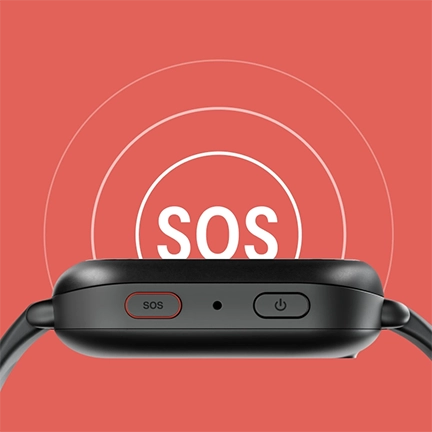

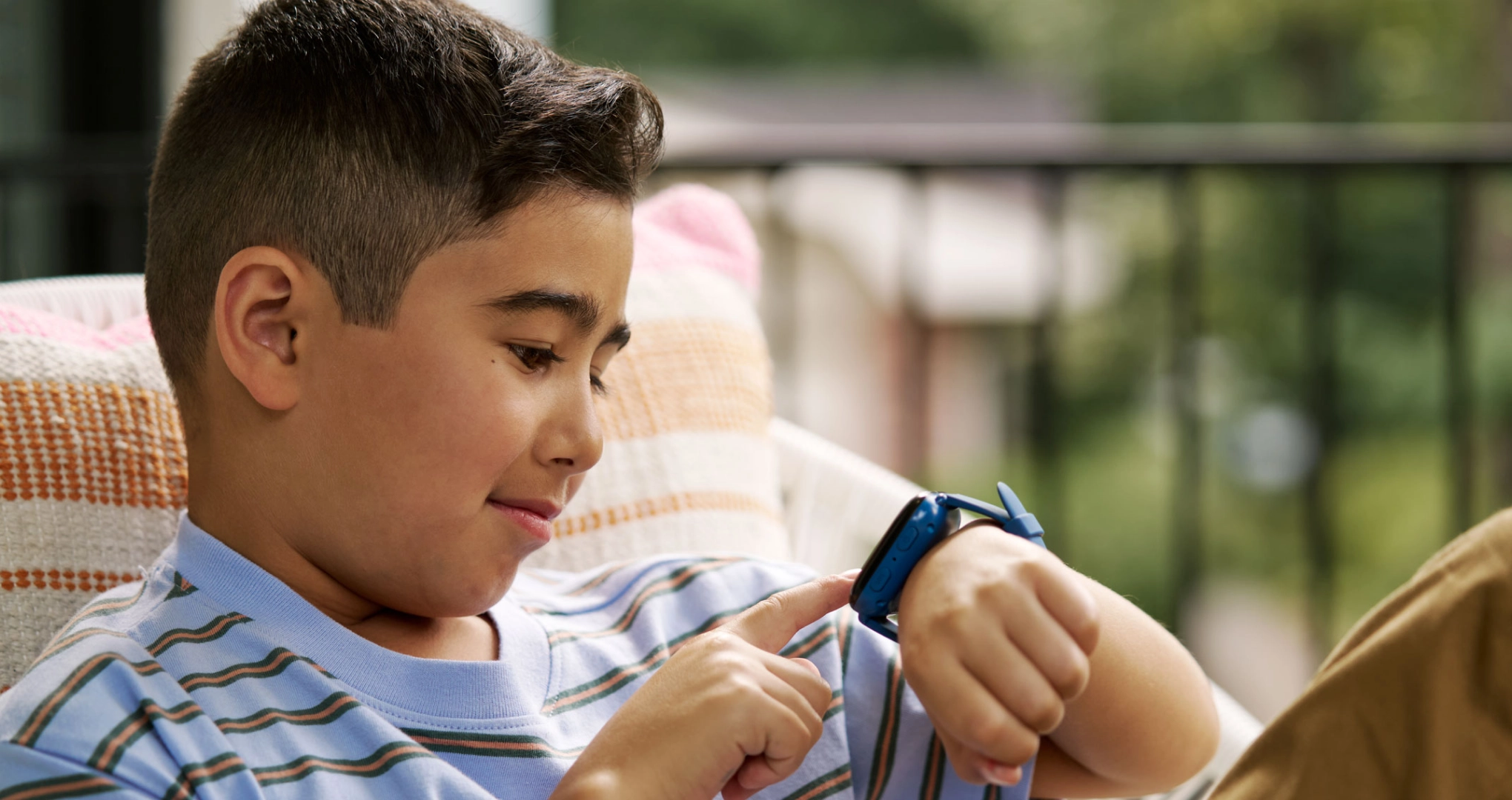
Bark Watch is a kids smartwatch built around texting, calling, GPS check-ins, and Bark’s automated safety monitoring. A child can message approved contacts, send photos, use SOS, and wear it through the school day without getting a full smartphone. Parents manage the contact list, see alerts, and keep the device tightly locked down.
We've reviewed Bark Watch against our 9-literacy developmental framework. The main growth opportunity: Bark Watch does very little to build thinking capacities.
Strengths & gaps
Strengths
- ● Bark Watch gives kids a practical first taste of independence. They can call, text, and check in from their wrist without carrying a phone.
- ● Bark Watch supports real family connection. Contact with trusted adults is immediate and simple, which matters for kids moving through school, activities, and early independence.
- ● Bark Watch reduces distraction well. No browser, no social media, and no app store means fewer attention traps than a phone.
Gaps
- ○ Bark Watch does very little to build thinking capacities. Curiosity, creativity, and judgment are mostly constrained rather than exercised.
- ○ Bark Watch externalizes regulation. Parents and Bark’s monitoring system do the hard safety work instead of helping the child practice it.
- ○ Bark Watch is narrow by design. That may be exactly what a family wants, but it limits developmental upside.
Detailed scores
How Bark Watch performs on each of the 9 literacies in our framework.
Doing
— 0 of 3 Strong
Bark Watch gives kids a real communication tool they can use on their own. Calling, texting, and SOS features create some practical autonomy. But parents approve every contact and manage most settings, so the child’s independence stays tightly bounded.
Bark Watch is not a product built around challenge, effort, or mastery. The sources focus on safety, setup, and communication. Persistence just is not part of the experience.
Bark Watch is meant to be predictable. The child uses a fixed set of functions in routine ways. There is no real strategy-switching or transfer work here.
Thinking
— 0 of 3 Strong
Bark removes the browser, games, social media, and third-party apps. That makes the device safer, but it also sharply narrows exploration. Bark Watch protects attention more than it builds curiosity.
Kids can send photos, videos, and messages, and they can personalize watch faces. That is expression, but not substantial creation. Bark Watch does not give kids tools for making or iterating on original work.
Bark’s main value is automated monitoring for risky content and suspicious contacts. That helps parents intervene, but it means the watch is doing judgment work for the child. The child is not regularly asked to weigh choices or interpret ambiguity.
Being
— 0 of 3 Strong
Bark Watch supports real connection with approved adults and relatives. That is better than simulated social features or passive media. But most interactions are quick check-ins, not deeper collaboration or shared social practice.
The strongest self-regulation feature is structural. Bark removes the main sources of digital distraction and lets parents use School Mode. That supports calmer device use, but it teaches the skill indirectly at best.
Bark Watch is about logistics and safety. It is not designed to help a child connect effort to identity, contribution, or long-term goals. Purpose sits outside its scope.
Based on 6 sources
- Product bark.us — bark watch
- Product support.bark.us — 29962559318925 Introduction to the Bark Watch
- Product bark.us — bark watch launch
- Product safewise.com — bark watch review
- Product nymag.com — best kids smartwatches.html
- Product bark.us — bk watch
Reviewed by New Literacies
Scored by our research-derived framework · AI-assisted analysis with editorial review · 6 sources reviewed · Our methodology →
Get the next guide before it goes live
One email when a new product review ships.
Free. No spam. Unsubscribe anytime.