
Aura
All ages · paid · AI Product · aura.com ↗
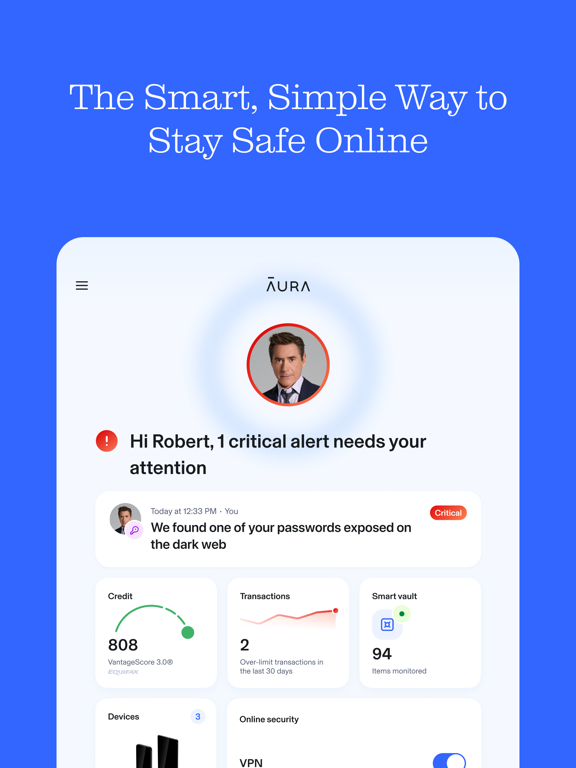
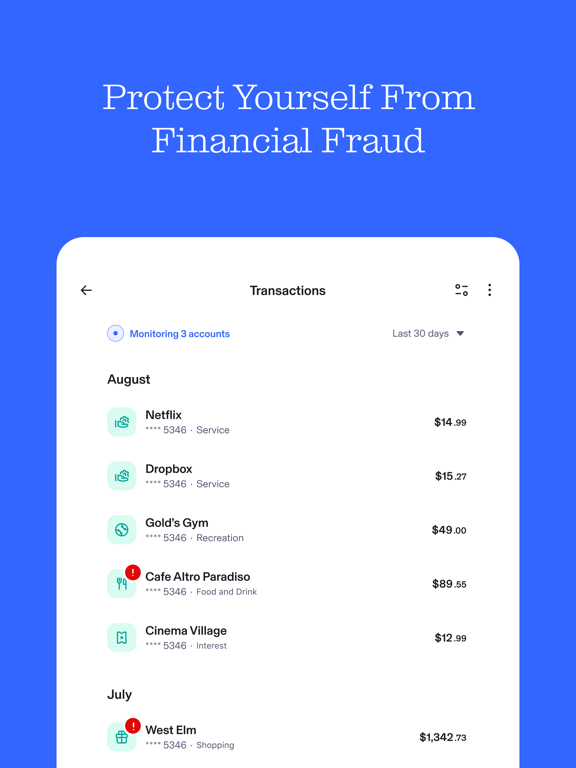
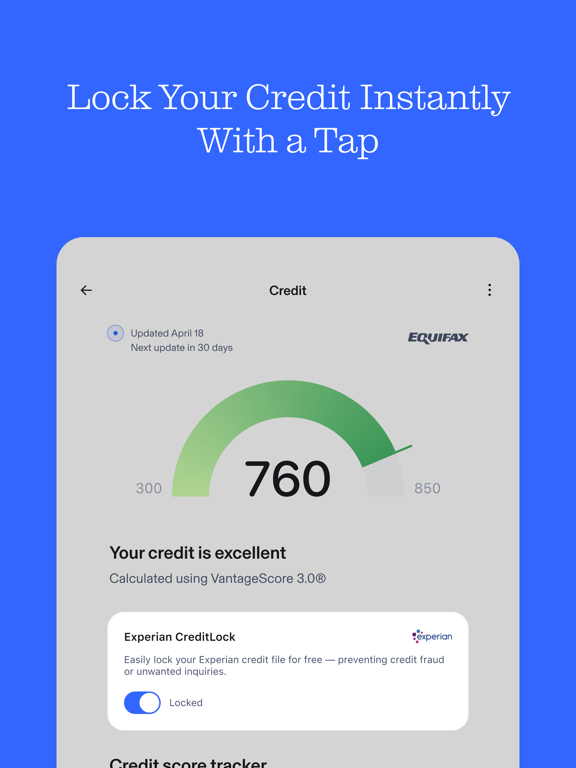
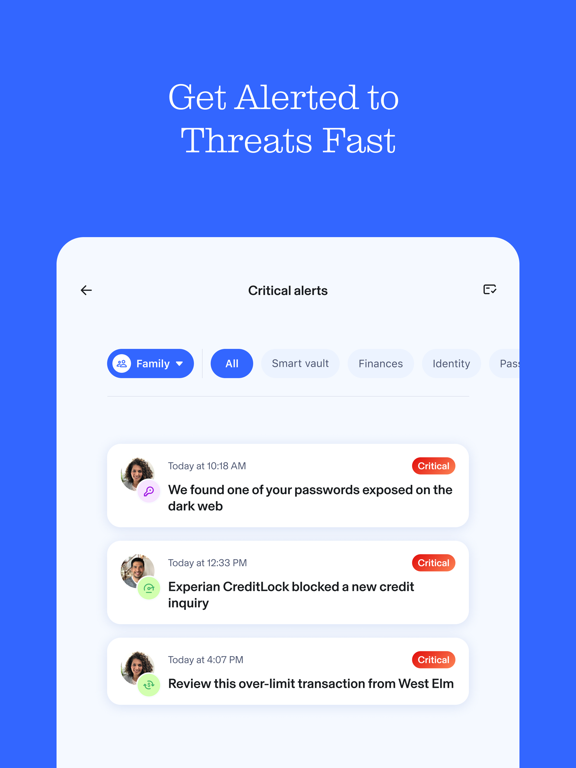
Aura is a broad family digital-safety suite that includes parental controls alongside identity protection, alerts, and other security tools. The parental-control layer focuses on screen-time rules, site and app blocking, and alerts for risks like cyberbullying or predatory contact. For a child, Aura mostly shows up as the boundary-setting system around the device.
We've reviewed Aura against our 9-literacy developmental framework. The main growth opportunity: Developmentally, Aura is still narrow.
Strengths & gaps
Strengths
- ● Aura’s main value is broad family safety coverage. Parents can manage time limits, block risky content, and receive alerts from one system.
- ● It also treats digital safety as more than website filtering. The public pitch includes online games, bullying signals, and family wellbeing framing.
Gaps
- ○ Developmentally, Aura is still narrow. The child does not get much agency or direct practice in independent digital judgment.
- ○ The best case for Aura is indirect self-regulation support through routines and boundaries. Most other capacities sit outside what the product clearly builds.
Detailed scores
How Aura performs on each of the 9 literacies in our framework.
Doing
— 0 of 3 Strong
Aura gives the adult the dashboard and the child the boundaries. That may be useful for family management, but it does not create much room for self-directed ownership. Agency stays low.
The harvested evidence does not show children staying with hard tasks or learning through difficulty. Aura is a safety layer, not a challenge environment.
Aura can change family settings and alerts, but the public record does not show children learning when to pivot strategies or reflect on their own process. Adaptability is not demonstrated.
Thinking
— 0 of 3 Strong
Aura is designed to reduce harmful access. That means it narrows exploration more than it expands it. Curiosity is not a real strength here.
Children do not build or make inside Aura itself. The product sits around other digital experiences instead of becoming one. Creativity remains outside scope.
Aura helps adults spot and respond to risks. But because the system handles so much filtering and alerting, children get limited direct practice making those decisions independently.
Being
— 0 of 3 Strong
Aura may help families feel safer online. But its mechanics are still monitoring and restriction, not empathy-building or collaborative communication practice.
Screen-time schedules and pause tools can support healthier routines. That is a real self-regulation support. But it is mostly external scaffolding, not deep internal skill-building.
Aura is framed around security, safety, and peace of mind. The reviewed evidence does not connect it to values, identity, or contribution.
Based on 3 sources
- Product aura.com — parental controls
- Product techradar.com — best parental control app of year
- Product trustpilot.com — aura.com
Reviewed by New Literacies
Scored by our research-derived framework · AI-assisted analysis with editorial review · 3 sources reviewed · Our methodology →
Get the next guide before it goes live
One email when a new product review ships.
Free. No spam. Unsubscribe anytime.