
Animal Crossing: New Horizons
Ages 6-12 · paid · Product · animal-crossing.com ↗
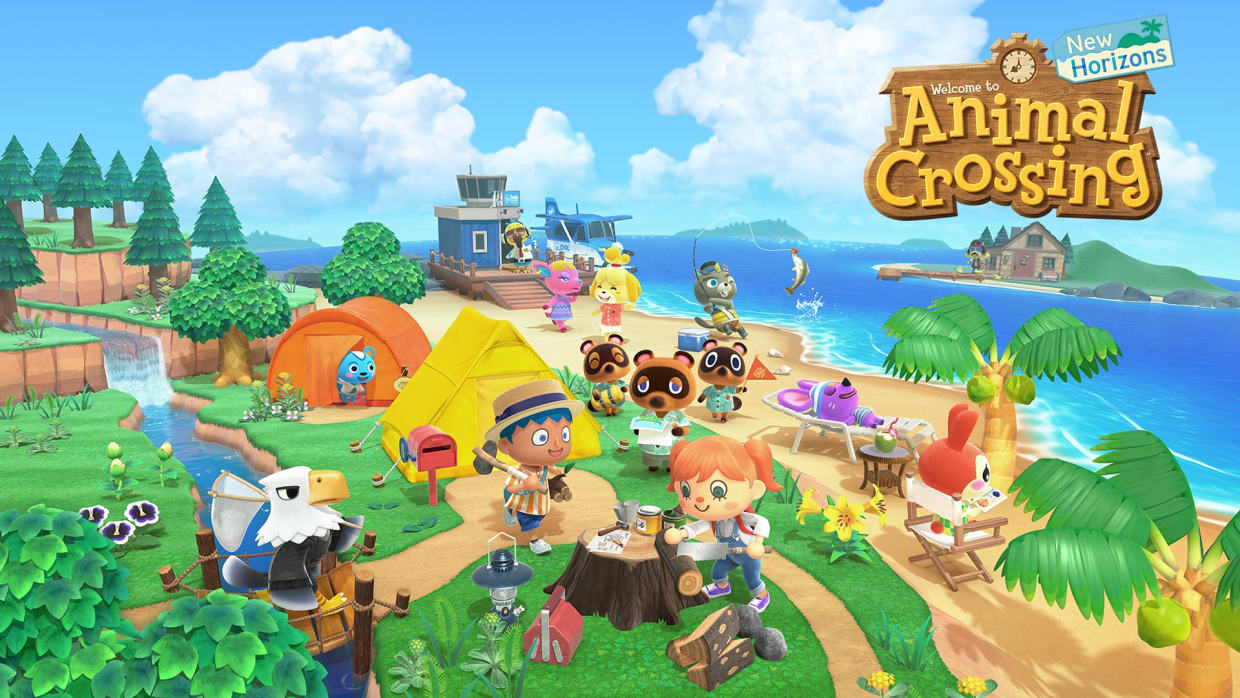
Animal Crossing: New Horizons is a slow life-sim where kids build a home on a deserted island and gradually turn it into a community. They gather resources, craft furniture, decorate indoor and outdoor spaces, catch wildlife, and build relationships with animal neighbors. The game runs on a gentle real-time clock, so much of the experience is about routines rather than pressure.
Animal Crossing: New Horizons stands out for developmental impact across multiple literacies. It builds agency, creativity, connection. The main growth opportunity: persistence is present, but gently. The game supports long-term projects more than hard struggle.
Strengths & gaps
Strengths
- ● Animal Crossing is especially strong for Agency. Kids decide what the island becomes and how they spend their time.
- ● Creativity is not ornamental here. Designing rooms, outdoor areas, and the entire island is the game.
- ● Connection is also a real strength. The social world is built around helping, gifting, and maintaining relationships.
Gaps
- ○ Persistence is present, but gently. The game supports long-term projects more than hard struggle.
- ○ Curiosity and Judgment are real but light. The systems are engaging without asking for much deep investigation or difficult reasoning.
Detailed scores
How Animal Crossing: New Horizons performs on each of the 9 literacies in our framework.
Doing
— 1 of 3 Strong
Animal Crossing gives the child a lot of control. There is no urgent quest line forcing one path forward. Kids choose what to gather, what to build, who to talk to, and how their island should evolve.
The game rewards patience with slow projects like loans, museum collections, and island redesigns. But the emotional temperature stays low. It teaches follow-through more than resilience under real strain.
Kids do need to adjust to what is available that day, what is in season, and which resources they have on hand. That creates light planning and flexible problem-solving. Still, the systems remain familiar and forgiving.
Thinking
— 1 of 3 Strong
There is plenty to discover in New Horizons. Fish, bugs, fossils, seasonal items, and new neighbors all create reasons to look around. But the game is more about pleasant exploration than about chasing hard questions.
Creativity is where New Horizons really stands out. Kids decorate, plan layouts, redesign rooms, and shape the island's whole mood. The game gives enough structure to make creation easy, while still leaving outcomes open.
Kids make steady decisions about spending Bells, organizing space, and choosing what matters on their island. Those tradeoffs are meaningful. They are just not especially high stakes or conceptually demanding.
Being
— 1 of 3 Strong
New Horizons consistently reinforces friendliness and contribution. Helping neighbors, sharing gifts, and visiting other islands makes connection feel like part of the game rather than an optional extra.
The game is calm and low conflict, which helps many kids settle into steady play. It also rewards waiting and returning later. But the daily rhythm can still become sticky, especially for completionist children.
The game has a mild sense of purpose through stewardship. Children are not just consuming content. They are building and caring for a shared place. That said, the game stops short of any explicit values or contribution framework.
Based on 3 sources
Reviewed by New Literacies
Scored by our research-derived framework · AI-assisted analysis with editorial review · 3 sources reviewed · Our methodology →
Get the next guide before it goes live
One email when a new product review ships.
Free. No spam. Unsubscribe anytime.
See other products strong in the same literacies: