
Among Us
Ages 9-14 · free · Product · innersloth.com ↗


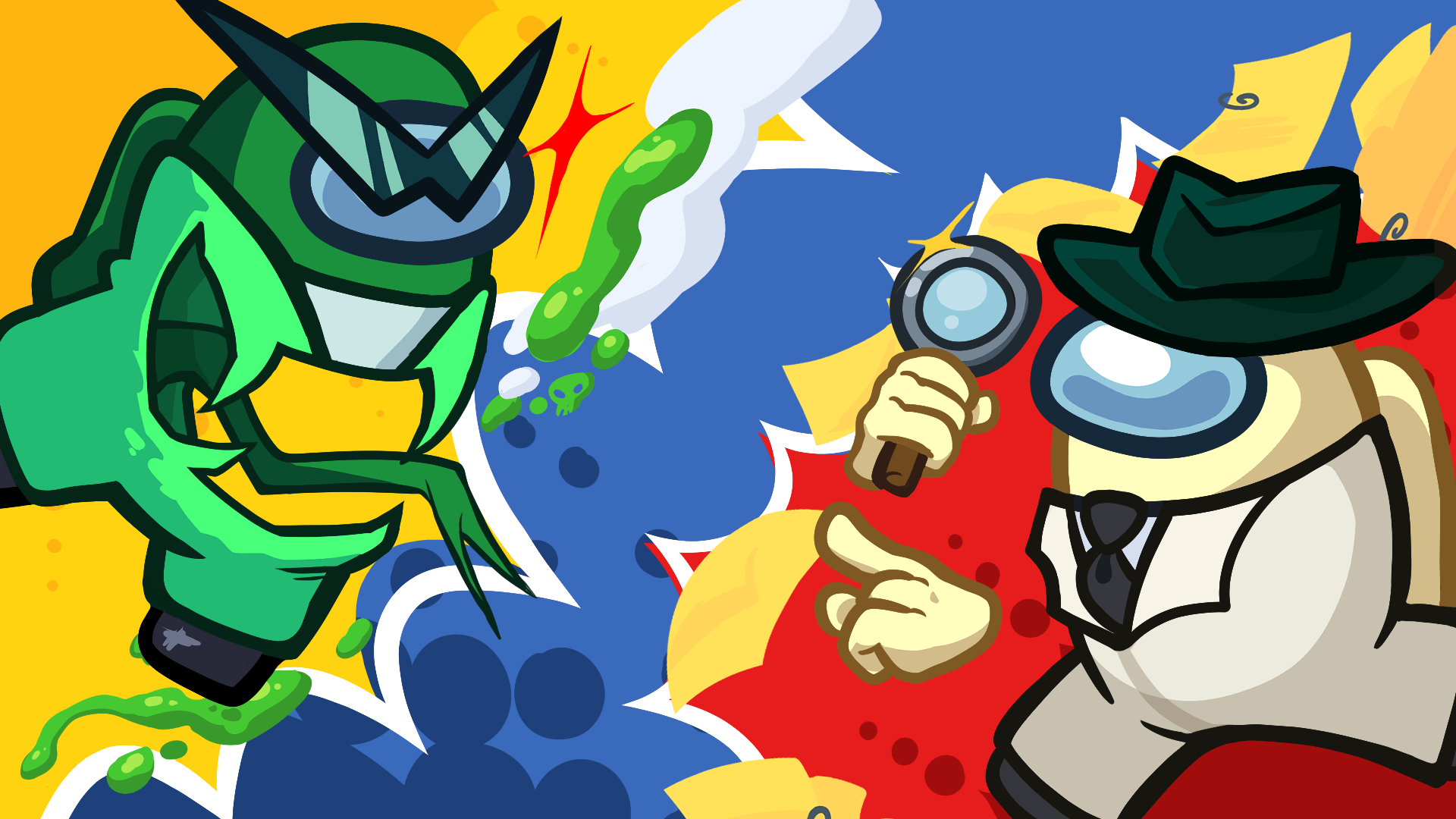
Among Us is a multiplayer social deduction game where one group tries to complete tasks while hidden impostors sabotage and kill. A round is short but tense: players move around a shared map, watch for suspicious behavior, then argue in emergency meetings about who should be ejected. The real game is not the tasks. It is the reading, bluffing, and persuading.
Among Us stands out for developmental impact across multiple literacies. It builds adaptability, judgment, connection. The main growth opportunity: creativity is narrow. The child performs inside a ruleset rather than making something new.
Strengths & gaps
Strengths
- ● Among Us is excellent for Judgment. The child has to read weak evidence and decide anyway.
- ● Connection is not a side feature here. The whole game is social inference.
- ● Adaptability is strong because the child has to pivot constantly as roles and suspicions shift.
Gaps
- ○ Creativity is narrow. The child performs inside a ruleset rather than making something new.
- ○ Public chat is the big caveat. The game can build social reading in private groups and become chaotic in open ones.
- ○ Purpose is basically absent. The experience is about the round, not a larger contribution frame.
Detailed scores
How Among Us performs on each of the 9 literacies in our framework.
Doing
— 1 of 3 Strong
Among Us gives the child real tactical choice. They decide what to say, where to go, how to bluff, and when to accuse. But the game’s structure and win conditions are fully prescribed.
The game does reward staying with it after failure. Kids get fooled, ejected, or blamed unfairly, then come back and play another round with sharper reads. But the struggle is short-cycle, not deep or sustained.
This is one of the game’s clearest strengths. A child who was calmly gathering information one round may need to bluff under pressure in the next. The strategy that worked thirty seconds ago can collapse after one meeting.
Thinking
— 1 of 3 Strong
Among Us creates real questions. Who moved oddly? Who is lying? Why did that sabotage happen now? But the curiosity stays inside a tight deduction box rather than broad exploration.
There is some expressive fun in bluffing and role performance. But the child is not building, designing, or inventing in an open-ended way. The game is about reading and persuasion, not creation.
Judgment is the point. The child has to notice patterns, weigh contradictory claims, and commit to a decision with incomplete information. Few mass-market games make that the central mechanic this cleanly.
Being
— 1 of 3 Strong
Among Us is built out of trust and suspicion. The group has to read one another, persuade one another, and survive the consequences. When the players know each other, the connection work gets even stronger.
The game can be emotionally charged. Getting blamed or fooled takes control. But Among Us does not offer tools for reflection or repair, so the regulation value depends heavily on the group culture.
The goals are immediate and mechanical. Finish tasks. Trick the crew. Win the vote. That is not the same as the deeper purpose signal this rubric is looking for.
Based on 5 sources
- Review commonsensemedia.org — among us
- Review commonsensemedia.org — adult
- Review commonsensemedia.org — child
- Product innersloth.com — among us
- Product store.steampowered.com — Among_Us
Reviewed by New Literacies
Scored by our research-derived framework · AI-assisted analysis with editorial review · 5 sources reviewed · Our methodology →
Get the next guide before it goes live
One email when a new product review ships.
Free. No spam. Unsubscribe anytime.
See other products strong in the same literacies: